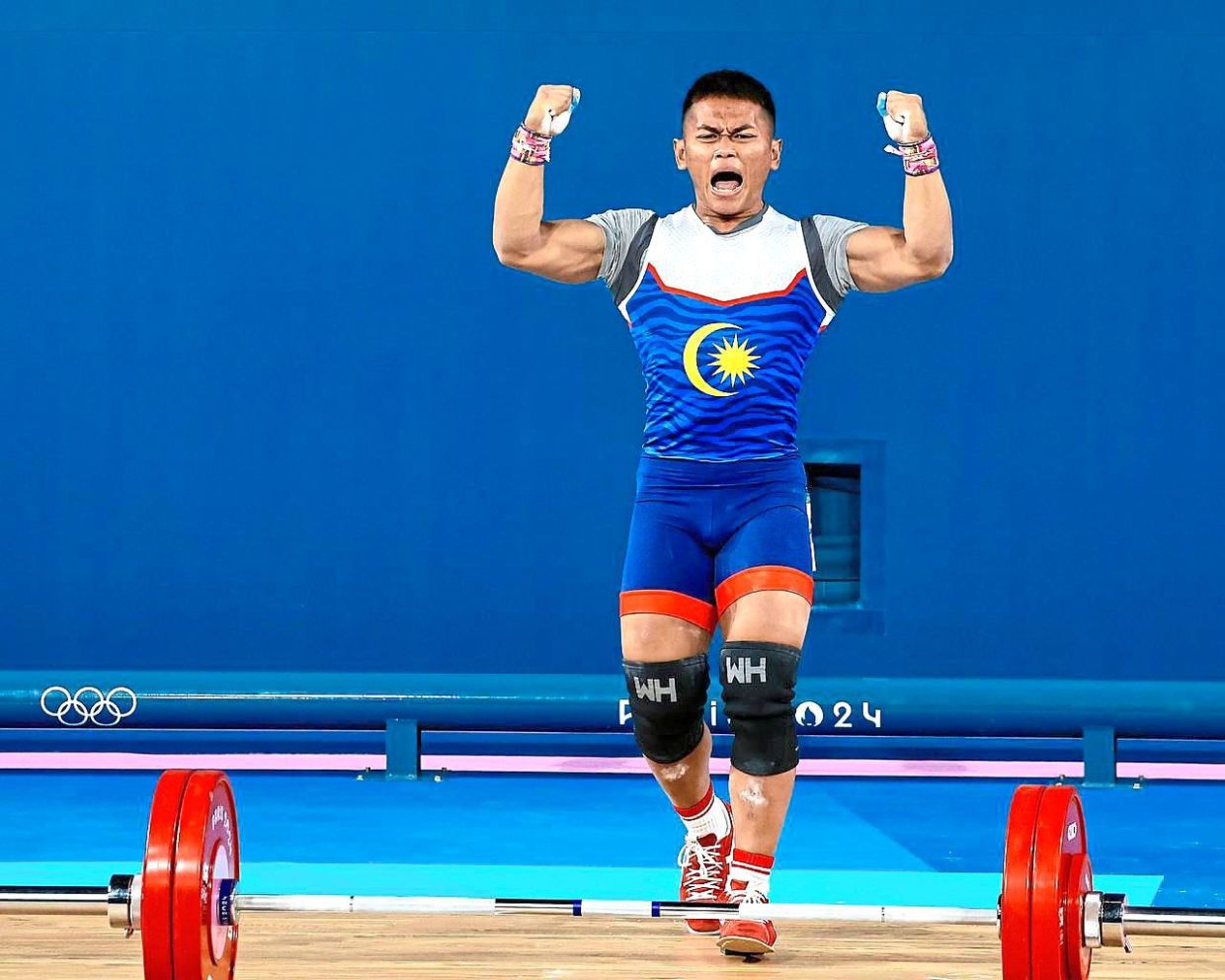
Malaysia's investment in weightlifting is about to deepen substantially. Following the nation's weightlifters' commanding performance at last month's Glasgow Commonwealth Games, the Youth and Sports Ministry has committed an extra RM1 million to nurture the sport's development across all levels. This funding represents a significant recognition of the discipline's growing competitiveness and its capacity to deliver consistent medal returns for the country on the international stage.
Minister Dr Mohd Taufiq Johari announced the allocation after consultations with the Malaysian Weightlifting Federation and the National Sports Council focused on reinforcing the sport's infrastructure and talent pipeline. The decision underscores a strategic pivot towards sports where Malaysia has demonstrated genuine competitive advantage—weightlifting being among the nation's most reliable medal generators in major multi-sport competitions. This targeted approach reflects a broader understanding within government circles that sustained success requires concentrated resources rather than dispersed funding across numerous sporting disciplines.
The Glasgow Commonwealth Games proved a watershed moment for Malaysian weightlifting. The squad's haul of five gold medals, alongside one silver and one bronze, positioned the discipline as the country's leading contributor to the overall medal tally. Malaysia's total Glasgow medal count—eight golds, three silvers, and five bronzes—was substantially elevated by weightlifting's exceptional performance. This concentration of medals in a single sport highlights both the depth of talent within the weightlifting programme and the potential return on investment when resources are strategically deployed.
Beyond the immediate funding injection, the ministry's support package encompasses infrastructure enhancement at the Rompin weightlifting training centre, which will be transformed into a Sports Centre of Excellence. This transformation carries profound implications for the sport's long-term trajectory. Modern training facilities with world-class equipment and amenities are essential for attracting and retaining elite athletes, particularly as neighbouring countries intensify their own weightlifting programmes. Rompin's elevation to centre-of-excellence status signals governmental confidence in the location as the headquarters for Malaysian weightlifting excellence.
A particularly noteworthy component of the assistance package involves appointing a dedicated full-time coach stationed permanently at Rompin with explicit responsibility for developing female athletes. This focus on women's weightlifting reflects both global trends towards gender parity in sport and practical recognition that female athletes have demonstrated extraordinary potential within Malaysia's weightlifting ecosystem. International weightlifting competitions increasingly feature expanded women's categories, and building depth in this demographic positions Malaysia advantageously for future Commonwealth Games, Asian Games, and Olympic opportunities.
The National Sports Council's development programme will expand its weightlifting quota following the conclusion of the Malaysia Games, with selection priority granted to athletes displaying strong potential and meeting established criteria. This structured talent identification and development pathway represents a systematic approach to building sustainable excellence rather than relying on occasional breakthrough performances. By integrating successful Glasgow competitors with emerging talent through a transparent, merit-based selection framework, Malaysia creates conditions for generational continuity in the sport.
Dr Taufiq's statements emphasise that these investments constitute long-term strategic commitment rather than ad-hoc responses to recent success. His framing of the financial and infrastructural support as recognition coupled with foundational investment reflects sophisticated understanding of sports development as a multi-year endeavour requiring patience and consistency. The minister's assertion that Glasgow's achievements demonstrate weightlifting's capacity for sustained growth acknowledges both the discipline's current momentum and the necessity of institutional backing to translate short-term success into enduring competitive advantage.
For regional context, Malaysia's weightlifting programme now operates within a Southeast Asian landscape where countries including Thailand and Indonesia have similarly prioritised the sport. The RM1 million allocation and infrastructure upgrades represent Malaysia's competitive response to these neighbours' investments. Singapore, despite its smaller population, maintains elite weightlifting capabilities through concentrated funding and coaching excellence. Malaysia's renewed commitment positions the nation to maintain competitive parity while potentially establishing regional leadership, particularly in women's categories where underdeveloped talent pools across much of Southeast Asia present opportunity.
The Glasgow performance and subsequent government response also carry implications for Malaysia's broader sports strategy as the nation approaches future major competitions. Successfully translating Commonwealth Games medals into sustained Olympic qualification and performance requires maintaining athlete momentum, preventing brain drain of talented lifters to wealthier nations, and continuously upgrading technical support systems. The Rompin facility's transformation into a centre of excellence addresses infrastructure concerns but equally depends on retaining qualified coaching staff and managing athlete welfare comprehensively.
Looking forward, the success of this weightlifting investment will likely influence how Malaysia allocates resources to other disciplines. If the RM1 million injection, combined with facility upgrades and expanded coaching support, translates into future Commonwealth and Asian Games medals, it may prompt similar concentrated funding for other identified medal-winning sports. Conversely, failure to capitalise on current momentum could undermine confidence in targeted investment approaches, leading policymakers towards more diffuse funding strategies. Weightlifting therefore functions as a test case for whether Malaysia's sports administration can execute sustained, coherent investment strategies that produce measurable returns.
The ministry's commitment also reflects evolving recognition that sporting success depends fundamentally on athlete welfare and development infrastructure. The appointment of a dedicated female athlete development coach signals understanding that maximising medal potential requires attending to athletes' specific needs rather than applying generic training philosophies. This nuanced approach to talent development, combined with facility enhancement and expanded funding, positions Malaysia's weightlifting programme with genuine prospects for maintaining Glasgow's momentum through forthcoming international competitions.

