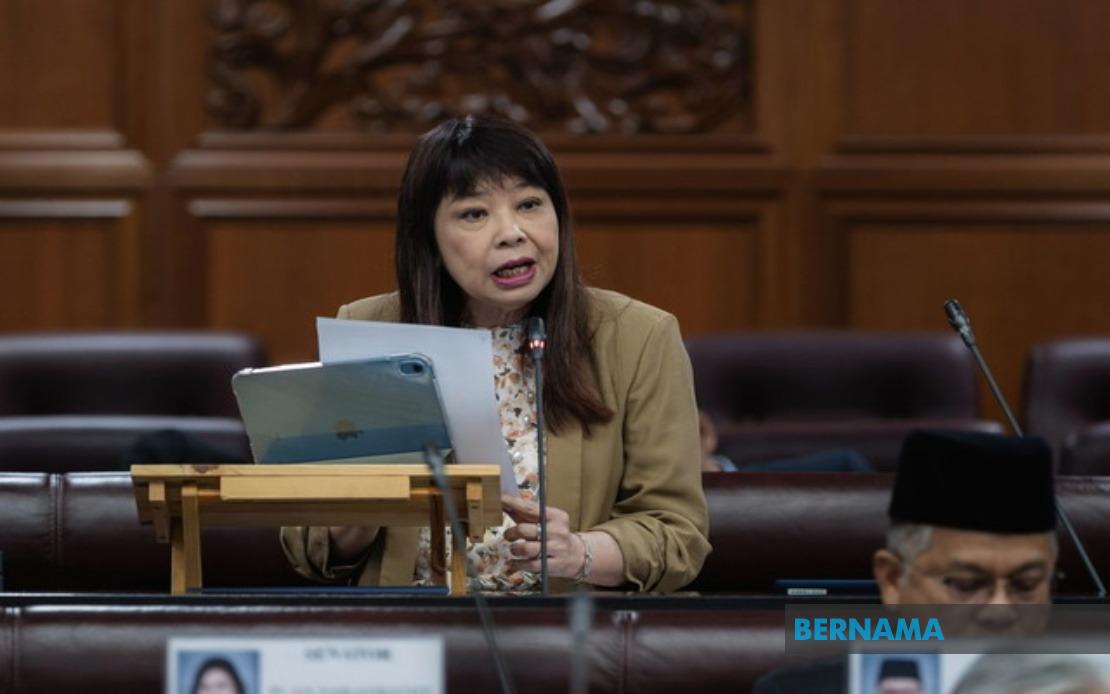
The Malaysian government is moving forward with plans to establish a comprehensive registry system designed to identify and monitor individuals with records of domestic violence offences, according to Deputy Women, Family and Community Development Minister Lim Hui Ying. Speaking during parliamentary Question Time in the Dewan Negara on August 4, she revealed that such a mechanism would serve as a preventative tool to reduce instances of repeated abuse and strengthen victim protection across the country.
The initiative represents a coordinated response drawing on expertise from three key institutions: the Women, Family and Community Development Ministry (KPWKM), the Royal Malaysia Police (PDRM), and the country's judicial system. This multi-agency approach reflects growing recognition that tackling domestic violence effectively requires integration of law enforcement capabilities, social support infrastructure, and legal frameworks. The collaborative effort aims to move beyond fragmented responses and create a unified data architecture that currently does not exist in Malaysia's domestic violence prevention system.
A significant challenge underpinning this proposal is the absence of reliable consolidated data on repeat offenders. Lim acknowledged that accurate tracking mechanisms are lacking, which hampers the government's ability to identify patterns of abuse or flag individuals who pose ongoing risks. The proposed registry would address this information gap by creating systematic records that can be accessed across agencies, enabling better-informed decisions at critical intervention points—whether during arrest, court proceedings, or victim protection procedures.
The registry concept aligns with victim-centred protection strategies increasingly adopted in developed nations, where accessible offender information helps law enforcement, courts, and community support services make more informed decisions. For Malaysia, such a system could help courts make evidence-based decisions when issuing protection orders, guide police in responding to domestic disturbance calls, and enable social workers to identify high-risk situations requiring intensive intervention.
Beyond the registry initiative, the government demonstrated its commitment through concrete investment in victim support infrastructure. Lim disclosed that KPWKM allocated RM2.1 million during the current financial year specifically for upgrading more than twenty government-operated shelters nationwide. These facilities provide essential sanctuary for individuals fleeing abusive situations, yet their adequacy depends on consistent maintenance, security upgrades, and resource management to accommodate growing demand.
The upgrade programme emphasises ensuring shelters remain secure environments capable of providing reliable temporary refuge. As domestic violence cases continue, the capacity and condition of these facilities directly impact victim safety and willingness to seek help. Investment in infrastructure signals that shelter provision is not merely incidental but central to the government's protection strategy, recognising that many victims cannot safely remain in their homes during legal proceedings or crisis periods.
The Social Welfare Department (JKM) currently oversees a network of forty-three approved shelters across Malaysia under the Domestic Violence Act 1994 (Act 521). This comprises thirty-nine government-managed facilities and four operated by non-governmental organisations, indicating that whilst government bears primary responsibility, partnership with NGOs extends reach and specialised services. The combination of state resources and civil society expertise represents a complementary approach to addressing diverse victim needs across different communities and regions.
Beyond shelter provision, JKM delivers a tiered protection system through court-issued orders that escalate in scope depending on threat levels and victim circumstances. Emergency Protection Orders (EPOs) can be granted within two hours when situations demand immediate intervention, a rapid-response mechanism critical when victims face imminent danger. Following immediate protection, the system enables access to Interim Protection Orders (IPOs) and longer-term Protection Orders (POs) through formal court procedures, creating a graduated framework responsive to changing circumstances.
This multi-layered approach reflects understanding that domestic violence occurs along a spectrum and victim needs evolve through different crisis phases. A victim requiring emergency refuge may later need workplace protection or childcare arrangements, necessitating flexible, comprehensive support systems rather than one-size responses. The government's acknowledgement of these complexities through diversified protective instruments suggests recognition that effective victim support requires sustained engagement beyond immediate crisis management.
The domestic violence offenders registry proposal carries particular significance for Southeast Asia's broader policy landscape. The region has witnessed increasing advocacy for victim protection mechanisms, with civil society organisations pushing governments to strengthen legal frameworks and accountability systems. Malaysia's initiative, if successfully implemented, could establish a regional precedent and demonstrate feasibility of inter-agency coordination that other ASEAN nations might consider emulating.
Implementation challenges should not be underestimated. Creating reliable registries requires robust data-sharing protocols, privacy protections, standardised definitions of offences, and training across agencies to ensure consistent application. The technical infrastructure alone demands substantial investment, whilst organisational coordination among police, courts, and social services requires sustained commitment transcending typical bureaucratic silos. Malaysian authorities must ensure the registry serves protective purposes without becoming a tool for arbitrary targeting or privacy violations.
For Malaysian households and communities, these developments suggest gradual institutional strengthening around domestic violence prevention. The combination of better offender tracking, increased shelter capacity, and accessible legal protection orders could create meaningful barriers to repeated abuse. However, sustained effectiveness depends on complementary efforts including public awareness, perpetrator intervention programmes, and cultural shifts that cease normalising family violence as private matter beyond government concern.
The initiative ultimately reflects broader governmental acknowledgement that domestic violence represents a significant social problem requiring systematic, well-resourced responses. Whether the registry and shelter investments significantly reduce repeat offences will depend on implementation quality, sustained funding, and integration with preventive education and perpetrator rehabilitation efforts. For domestic violence survivors, such institutional development offers hope that systemic responses may gradually improve protection pathways.

