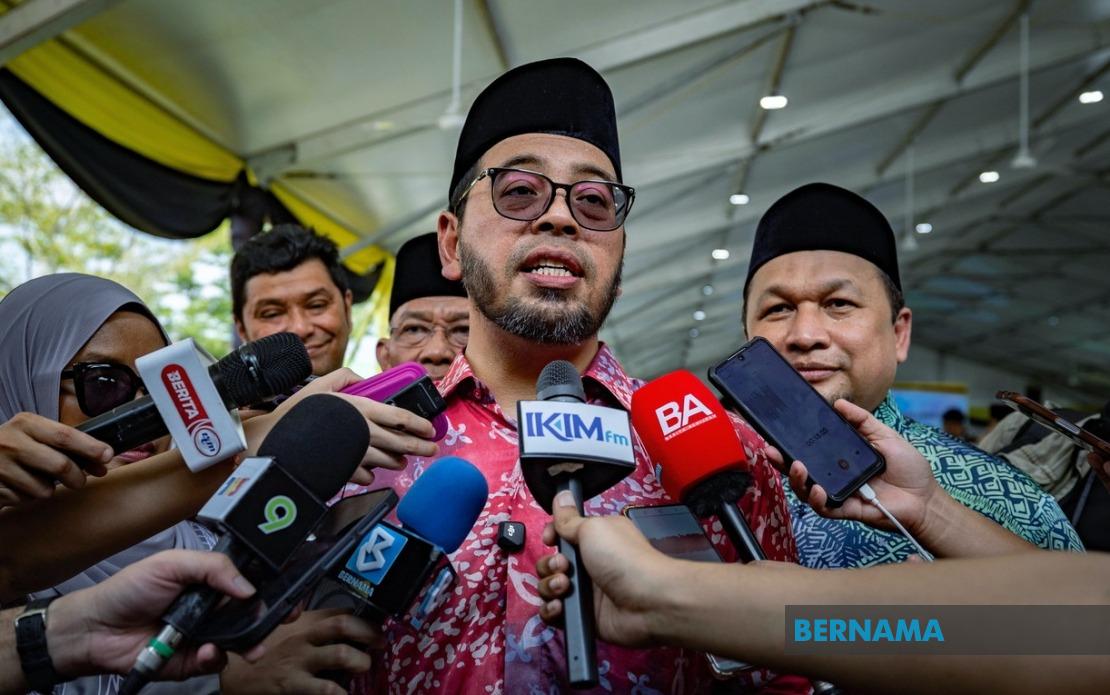
The Malaysian federal government has reinforced its strategic partnership with pondok institutions and religious schools, positioning these establishments as fundamental to the country's holistic development framework. At the 2026 Perak Pondok and Religious Schools Gathering in Chemor on July 19, Minister Dr Zulkifli Hasan articulated a vision where economic advancement and infrastructure expansion work in tandem with the cultivation of human values and moral character among citizens. This positioning reflects a broader policy shift that challenges conventional development metrics and recognises the role of faith-based education in shaping national identity and social cohesion.
The Prime Minister's Department (Religious Affairs) has committed to sustained collaboration with state governments and Islamic religious authorities to maintain the quality and relevance of religious education systems throughout Malaysia. Dr Zulkifli emphasised that the government does not view progress solely through the lens of economic strength or physical infrastructure, but rather through the calibre of its population and the ethical foundation upon which development is built. This approach aligns with the Malaysia MADANI framework, which prioritises human capital development and the well-being of communities as cornerstones of sustainable national advancement.
Prime Minister Datuk Seri Anwar Ibrahim officiated the Perak gathering, signalling high-level government support for religious educational institutions. His presence underscored the administration's recognition that pondok schools and madrasahs serve as crucial conduits for transmitting Islamic knowledge and values to younger generations. The Prime Minister's attendance at the event demonstrated that this agenda transcends departmental initiatives and reflects cabinet-level commitment to strengthening the Islamic education ecosystem across the nation.
The gathering attracted approximately 3,000 participants representing a cross-section of Malaysia's Islamic education landscape, including pondok members, religious school staff, KAFA teachers, and representatives from civil society organisations. This broad participation illustrated the scale and influence of religious educational institutions within Malaysian communities, particularly at the grassroots level where these schools have maintained their presence for generations. The diverse attendance also demonstrated growing recognition that religious education extends beyond purely theological instruction to encompass community welfare and social engagement.
During the event, Dr Zulkifli presented MADANI Aid Baskets to twelve recipients in a symbolic gesture representing 250 beneficiaries from the local community. This distribution mechanism reflects the government's intention to channel assistance directly to vulnerable populations served by Islamic educational institutions. By linking welfare provision to religious schools, the administration acknowledged these institutions' intimate understanding of community needs and their established networks for reaching disadvantaged families. Such targeted support addresses practical hardships faced by students and teachers while reinforcing the government's investment in the sector.
A highlight of the gathering was the Bicara Murobbi forum, which examined the role of religious scholars and leaders in nation-building. Prominent speakers included Kelantan scholar Sheikh Wazir Che Awang Al-Makki, former Perak mufti Datuk Seri Wan Zahidi Wan Teh, and preacher Ustaz Mohamad Saifuddin Abdul Latiff. The selection of speakers from different regions and backgrounds reflected an intention to showcase the diversity of Islamic scholarship and leadership within Malaysia's religious establishment. The forum's focus on nation-building positioned religious leaders not as peripheral figures but as active participants in shaping Malaysia's political, social and economic future.
Beyond symbolic gestures, the government announced concrete support mechanisms for Islamic educational institutions. The Perak gathering included distribution of essential food items to needy families and presentation of mock cheques to pondok institutions and religious schools for operational support. Additionally, the government committed to sponsoring student fees and supporting the Fast Track Sijil Pelajaran Malaysia programme for religious school students. These initiatives address both immediate material needs and longer-term educational objectives, suggesting a comprehensive approach to strengthening the Islamic education sector.
Yayasan Dakwah Islamiah Malaysia (YADIM), which co-organised the event, emphasised that sustained support for pondok communities and KAFA teachers constitutes a cornerstone of the government's commitment to Islamic education. YADIM's characterisation of these institutions as the backbone of Islamic education in Malaysia reflects their historical and contemporary significance. For many Malaysians, particularly in rural areas, pondok schools and religious institutions represent the primary means through which Islamic knowledge is transmitted and religious identity is cultivated. Recognising their strategic importance acknowledges a reality that extends beyond urban centres and middle-class narratives of Malaysian education.
The timing of HIPSA 2026 reflects broader shifts in how Southeast Asian governments approach religious education and community engagement. In Malaysia's plural society, the government's explicit recognition of Islamic institutions as strategic partners demonstrates an effort to balance constitutional provisions for Islam's special position with the practical demands of administering a multicultural nation. This approach differs markedly from earlier periods when religious education remained more marginalised within national development discourse. The elevation of Islamic educational institutions to strategic partnership status signals confidence in their capacity to contribute to national objectives while maintaining their religious missions.
For students and families dependent on pondok institutions, this government backing carries material and symbolic significance. Access to fee sponsorships, faster examination pathways, and targeted welfare provision directly improves educational outcomes and reduces barriers to religious schooling. Simultaneously, public recognition from the Prime Minister and cabinet ministers enhances the social standing of religious education and validates choices made by families who prioritise Islamic learning for their children. In a competitive educational landscape increasingly dominated by secular and international curricula, such affirmation addresses concerns about the marginalisation of religious schooling.
The government's stance also reflects demographic and social considerations specific to Malaysia and the broader Southeast Asian context. Pondok institutions and religious schools serve substantial population segments, particularly in Malay-Muslim majority areas. These institutions' capacity to accommodate large numbers of students affordably, combined with their deep community roots, makes them essential infrastructure for equitable educational access. Recognising them as strategic partners acknowledges that Malaysia's educational aspirations cannot be realised without these institutions, which serve millions of students throughout the country.
Looking forward, the government's commitment to ongoing collaboration with Islamic educational authorities and institutions suggests that religious education will feature prominently in Malaysia's development agenda. This positioning invites broader questions about how religious learning integrates with secular subjects, how traditional Islamic scholarship adapts to contemporary challenges, and how religious institutions balance preservation of traditions with responsive adaptation to societal changes. The framework established through initiatives like HIPSA 2026 provides institutional vehicles through which these negotiations can occur, though successful outcomes will depend on sustained political commitment and adequate resource allocation.
The recognition of pondok institutions and religious schools as strategic partners represents more than rhetorical acknowledgement. It signals intention to invest in these institutions, channel resources to their constituencies, and incorporate them into formal development planning. For Malaysia's Islamic education sector, which has historically operated with limited government integration despite constitutional recognition of Islam's special position, this represents a significant shift toward formalised partnership and coordinated development within the national education system.

