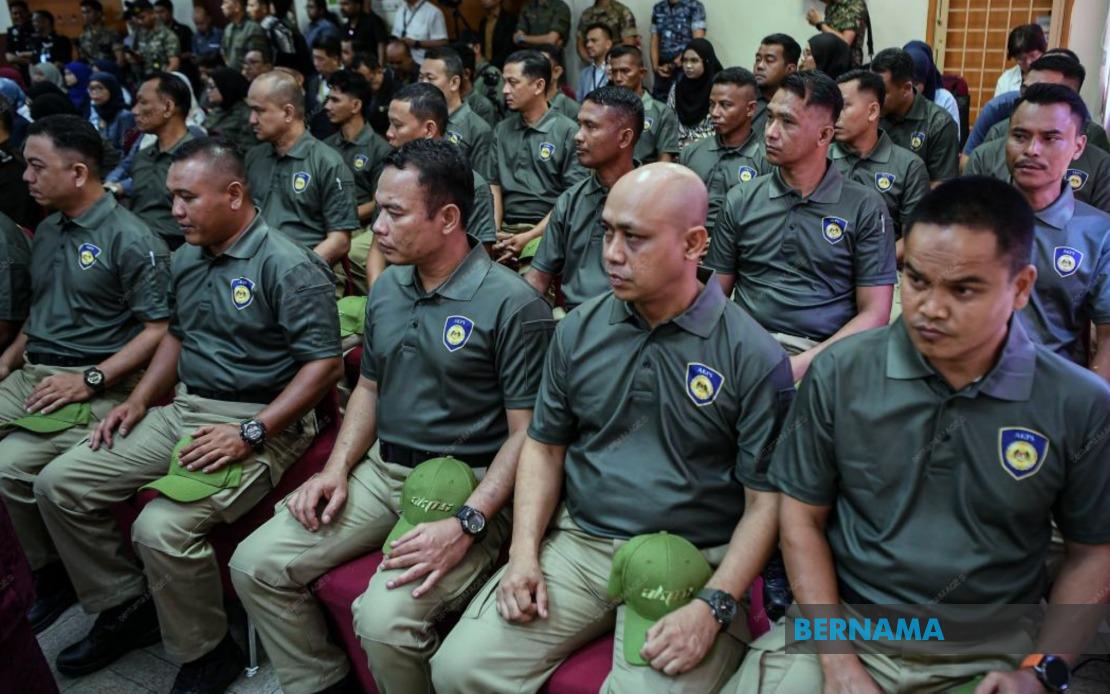
The Malaysian government has moved to reassure thousands of Border Control and Protection Agency (AKPS) personnel that their career protections and financial benefits will not be jeopardised during a significant institutional restructuring taking effect next month. Deputy Home Minister Datuk Seri Dr Shamsul Anuar Nasarah delivered this assurance in parliament on June 25, addressing mounting concerns among enforcement officers about the implications of transferring AKPS under the formal purview of the Public Service Department (PSD) from July 1 onwards.
The AKPS represents one of Malaysia's more recent security infrastructure consolidations, having been created through the integration of multiple border and enforcement agencies into a single coordinated body tasked with managing movement control at all 122 designated entry points across the nation. This structural merger, while administratively efficient, has created complexities regarding the employment status and career pathways of officers who were originally seconded from their parent agencies to staff the new organisation.
Under the transitional arrangements now being formalised, officers retain the fundamental right to elect whether they wish to formally transfer into AKPS's new service scheme or remain tethered to their original parent agencies. The government's commitment centres on ensuring that whichever path personnel choose, their accumulated seniority, promotion eligibility, superannuation entitlements, and other welfare provisions remain unaffected. This represents a critical assurance for a workforce that might otherwise face disadvantage through no fault of their own.
The deputy minister clarified that approximately 6,824 of the 8,403 authorised AKPS positions had been populated as of mid-June, leaving a vacancy rate of nearly 19 percent. These unfilled positions are being addressed through collaborative recruitment efforts between the agency itself, the Home Ministry, and the PSD, working in conjunction with the original departments from which officers were seconded. The phased approach to filling vacancies reflects the administrative complexity of integrating personnel from multiple source organisations into a unified command structure.
For officers who decide against formal transfer into the new service scheme, the government has outlined two pathways. Those who decline appointment under the restructured arrangement may initially remain with AKPS on a temporary basis while the PSD determines appropriate placement options. Alternatively, these individuals may be repatriated to their original parent departments, with specific placements determined by their original service heads according to available vacancies and operational requirements. This dual option provides flexibility and protects officers from facing redundancy or forced career disruption.
A significant incentive mechanism accompanies AKPS positions, reflecting the government's recognition that border and entry-point enforcement work carries particular operational demands and security responsibilities. These incentives include an additional annual salary increment (KGT) and a service allowance of RM200, both designed to maintain competitive compensation packages and ensure the agency can attract and retain qualified personnel. These financial measures underscore official commitment to sustaining optimal operational capacity at the nation's air, sea, and land borders.
The parliamentary response to concerns raised by PN-Padang Besar MP Rushdan Rusmi addressed broader anxieties about the stability of enforcement institutions during periods of structural reorganisation. Border and entry-point agencies operate continuously and cannot sustain service disruptions, making the careful management of personnel transitions particularly critical. The government's articulated approach attempts to balance administrative efficiency with individual employment security.
For Malaysian readers and businesses dependent on border infrastructure, this assurance holds practical significance. The AKPS restructuring occurs amid rising global attention to supply chain security, immigration control, and counter-trafficking operations. Maintaining institutional stability and staff morale across this transition period is essential for preventing operational degradation at the 122 entry points that handle the movement of goods and people essential to Malaysia's economy and regional connectivity.
The implications extend beyond immediate AKPS personnel considerations. The manner in which this transition is managed could establish precedent for how future government agency restructurings handle inter-departmental coordination and workforce protection. As Malaysian public administration continues evolving through initiatives like the PSD integration, maintaining clear protections for affected civil servants becomes increasingly important for sustaining institutional effectiveness and public service morale more broadly.
The phased approach to recruitment and the multiple employment options being offered suggest the government is attempting to minimise disruption while achieving its consolidation objectives. However, the remaining near-1,600 vacant positions represent an ongoing operational challenge that requires sustained attention through the transition period and beyond.

