The Malaysian government is pivoting towards delivering tangible, visible improvements to citizens' daily lives through an accelerated push on over 40,000 small-scale development initiatives spread nationwide. Chief Secretary to the Government Tan Sri Shamsul Azri Abu Bakar has issued a directive to all ministry secretaries-general requiring them to make these projects a top priority in their implementation schedules. The move reflects a strategic shift in development policy emphasising quick-turnaround initiatives that can demonstrate government responsiveness and generate near-term public satisfaction.
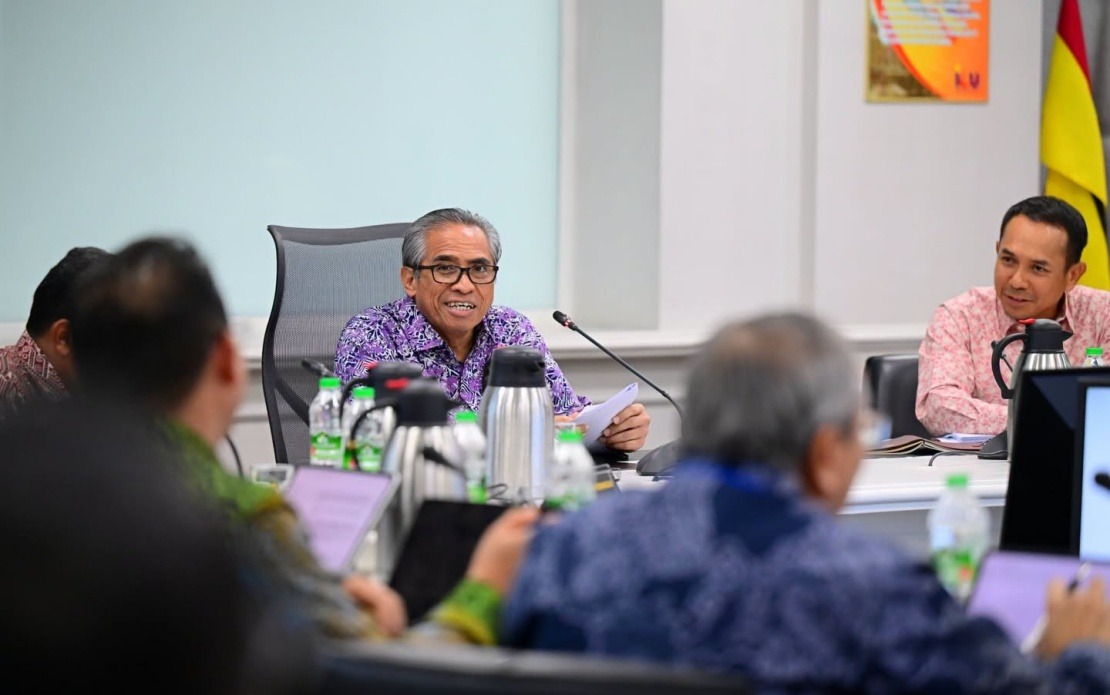
Shamsul Azri announced the decision following a meeting of the National Development Action Committee, which he chaired in Kuala Lumpur on June 25. His directive establishes clear expectations for ministry leadership: secretaries-general must not only oversee project execution but also conduct regular site visits, maintain close monitoring of progress, and address obstacles as they arise on the ground. This hands-on approach signals that implementation accountability has been elevated to the highest levels of the civil service, with permanent secretaries expected to be actively engaged rather than delegating oversight to junior officials.
The portfolio of projects encompasses infrastructure and facilities that directly touch the lives of ordinary Malaysians. Road repairs and drainage maintenance address persistent complaints about deteriorating public infrastructure that affects mobility and public health. Refurbishment of government quarters improves housing conditions for civil servants and their families. School classroom repairs enhance the learning environment for millions of students. Healthcare facility upgrades boost service delivery in government clinics and hospitals. Meanwhile, improvements to public stalls and markets support informal traders and enhance the vibrancy of community commerce. Together, these initiatives represent a recognition that development need not always involve mega-projects—sometimes the most impactful improvements come from fixing what is broken and upgrading what exists.
What distinguishes this initiative is its emphasis on implementation speed. Shamsul Azri highlighted that most projects can be completed within a three to six-month window, allowing the public to see and experience benefits quickly. This timeline is deliberately compressed, suggesting that the government has identified genuine quick-win opportunities that don't require lengthy planning or complex coordination. For Southeast Asian readers familiar with infrastructure delays and bureaucratic bottlenecks, this commitment to accelerated delivery represents a notable departure from typical practice.
The term "low-hanging fruit" employed by Shamsul Azri carries particular significance in the context of Malaysian governance. These are projects already identified and presumably budgeted, requiring mainly execution will and coordination rather than new policy development. By focusing ministry capacity on completing identified work, the government avoids the trap of launching new initiatives while leaving previous commitments incomplete—a pattern that has frustrated citizens and eroded public confidence in past development cycles.
The initiative also reflects careful political calculation. Small-scale projects, precisely because they are numerous and dispersed geographically, create touchpoints in communities throughout the country. A repaired school in Kedah, a refurbished clinic in Terengganu, a rehabilitated market in Sabah—such improvements become visible symbols of government presence and responsiveness. They reach constituencies and demographics that might not benefit from large infrastructure megaprojects, helping to build broad-based political support.
For the civil service, this directive carries implications about resource allocation and priority-setting. Secretaries-general must now balance competing demands from their various departments while elevating small-scale project completion. This requires programme management discipline and the ability to sequence work effectively. The requirement for site visits from permanent secretaries also signals that implementation excellence, not just policy formulation, is now a measure of ministerial performance.
The timing of this announcement comes as governments across Southeast Asia grapple with public expectations about infrastructure quality and development pace. Malaysia's approach of focusing on smaller, distributed improvements represents a pragmatic response to fiscal constraints and implementation challenges that affect the region more broadly. Rather than attempting a few ambitious megaprojects that risk delays and cost overruns, concentrating effort on numerous smaller initiatives spreads risk and accelerates the delivery of tangible benefits.
Successful execution of this directive will depend significantly on whether ministries can sustain momentum without allowing these small projects to become trapped in routine administrative processes. Shamsul Azri's emphasis on monitoring and problem-solving at the leadership level suggests awareness of this risk. The challenge ahead lies in ensuring that site visits translate into genuine operational responsiveness, that monitoring identifies bottlenecks quickly, and that issues are resolved with appropriate speed rather than following standard procedural timelines.
The 40,000-project initiative also represents a data-driven governance approach, suggesting that officials have conducted systematic audits of pending small-scale work across government. This enumeration itself is noteworthy, indicating that the government possesses detailed knowledge of its infrastructure deficit at the granular level. Malaysian and regional readers might view this as evidence of improved government information systems and planning capacity, though the real test will be whether this knowledge translates into accelerated completion.
Looking ahead, the success of this programme will likely influence how governments in the region approach development sequencing. If Malaysia can demonstrate that focused attention to smaller initiatives yields faster public benefits and stronger satisfaction metrics, it may shift thinking about infrastructure priorities throughout Southeast Asia. Conversely, if implementation again falls short of timelines, it will reinforce scepticism about government delivery capacity regardless of project scale.

