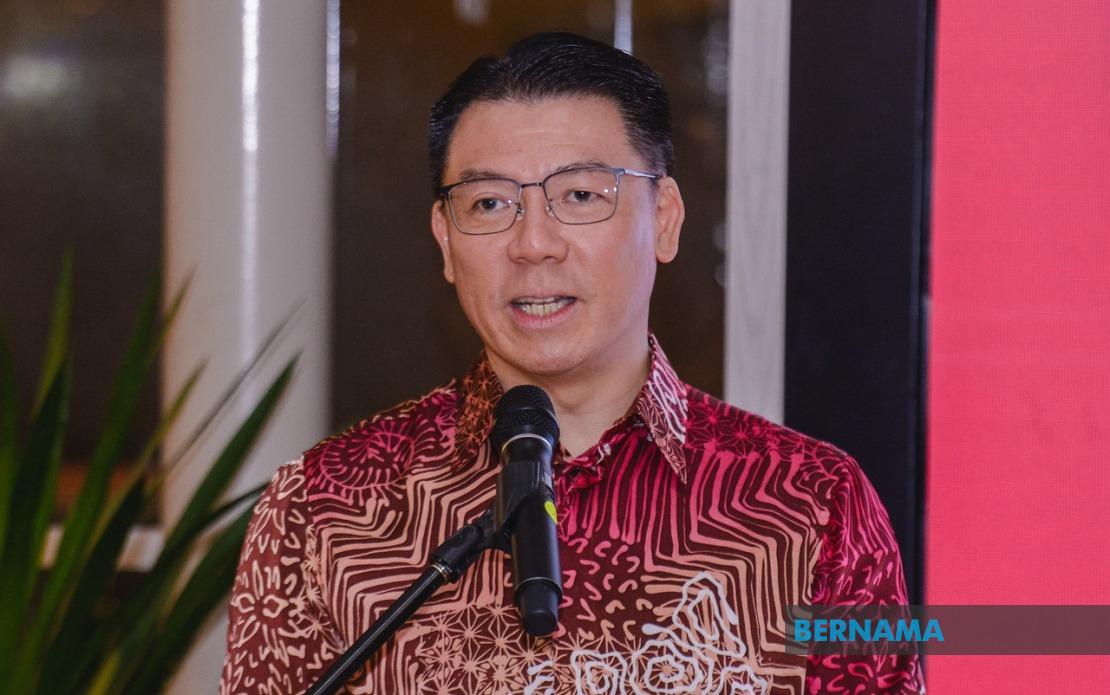
The Malaysian government is making a significant push to address housing affordability by announcing a 10 per cent discount on property purchases during the upcoming ASEAN Real Estate Conference, scheduled to take place at MITEC from July 29 to August 1. Housing and Local Government Minister Nga Kor Ming unveiled the initiative, developed in partnership with the Real Estate and Housing Developers' Association Malaysia, as part of a broader strategy to lower entry barriers for potential homeowners struggling with upfront financial commitments.
The timing of this initiative reflects growing concerns across Southeast Asia regarding housing costs and accessibility for middle and lower-income earners. By reducing the proportion required as a down payment under the Sale and Purchase Agreement, the government aims to make property ownership more attainable for ordinary Malaysians. This approach acknowledges that the 10 per cent deposit requirement, while standard in conveyancing practice, represents a substantial hurdle for first-time buyers and younger Malaysians entering the property market during economically uncertain times.
The four-day conference is expected to attract significant participation from the regional real estate sector, with planners projecting transaction values reaching RM1.5 billion. The event will feature specialized forums addressing current market challenges, structured business matching sessions connecting developers with investors and potential buyers, and a comprehensive exhibition showcasing residential, commercial, and mixed-use developments. Prime Minister Datuk Seri Anwar Ibrahim is scheduled to officially open the conference, signalling the government's commitment to elevating Malaysia's position as a regional property hub.
Concurrent with the conference, the government has launched the Rahmah Cement initiative, demonstrating a multi-pronged approach to tackling housing costs. The programme allocates 1.6 million metric tonnes of cement to developers constructing affordable housing, directly addressing the inflationary pressures in construction materials that have squeezed developer margins and inflated final house prices. By subsidizing a critical input cost, the initiative seeks to prevent construction expenses from being passed entirely to consumers, thereby maintaining price competitiveness in the affordable housing segment.
Nga emphasized that the government's housing agenda extends beyond temporary promotional discounts, framing affordability as a fundamental right rather than a transactional benefit. The rallying cry "Rumahku, Syurgaku" (My Home, My Heaven) encapsulates a philosophy positioning quality, affordable homeownership as essential to national wellbeing and social stability. This rhetoric reflects recognition that housing security contributes directly to economic participation, family stability, and psychological wellbeing across communities, making it a governance priority rather than merely a market mechanism.
Malaysia's strong showing at the FIABCI World Prix d'Excellence Awards 2026 provides encouraging evidence of the country's competitive positioning within global real estate markets. The nation achieved overall champion status with 14 awards, including eight gold medals recognizing excellence in diverse categories spanning residential, commercial, retail, and mixed-use developments. Projects earning gold medal recognition included Park Regent at Desa ParkCity, The Mansions at ParkCity Hanoi, the iconic Merdeka 118 office tower, and Gamuda Gardens, each representing different scales and typologies of development.
The cumulative achievement of 135 gold medals since the awards' inception in 1992 positions Malaysia among elite nations in international real estate excellence. This recognition transcends marketing value, signalling to global institutional investors and sovereign wealth funds that Malaysian developers maintain standards comparable to leading international firms. The award track record effectively serves as a quality assurance mechanism, reducing perceived investment risk for foreign capital considering Southeast Asian exposures and supporting Malaysian companies' expansion into international markets.
The international expansion of Malaysian developers provides tangible evidence supporting government assertions about competitive capability. ParkCity Group's successful operations in Vietnam, SP Setia's Australian developments, OSK Property's Melbourne presence, and EcoWorld's London operations demonstrate that Malaysian expertise in property development commands recognition and generates returns in sophisticated global markets. These overseas ventures also create employment, generate foreign exchange, and enhance Malaysia's international profile within professional services sectors, contributing to economic diversification beyond commodity exports and manufacturing.
The government's ambition to position Malaysian companies as global champions reflects a deliberate strategy to elevate the nation's economic trajectory. Rather than pursuing low-cost competitive models, this approach emphasizes quality, innovation, and professional excellence as differentiators. By celebrating and supporting overseas expansion of local firms, the government signals commitment to developing world-class enterprises capable of competing in premium segments rather than competing primarily on cost alone, a strategic positioning critical for long-term economic resilience.
The July 30 launch of the National Housing Policy by Prime Minister Anwar Ibrahim will provide the overarching framework guiding housing sector development and affordability initiatives for the medium term. This policy launch during AREC represents strategic sequencing, allowing the conference to showcase practical implementation of policy objectives through the 10 per cent discount initiative, the Rahmah Cement programme, and celebrated developer achievements. The convergence of major announcements suggests comprehensive government commitment to reshaping housing accessibility while maintaining international competitiveness standards.
For Malaysian homebuyers, the 10 per cent purchase discount during AREC 2026 represents a time-limited opportunity to access properties at reduced costs during a high-visibility event. However, the broader significance lies in the government's demonstrated willingness to deploy multiple policy instruments—direct purchase incentives, construction cost subsidization, policy framework updates, and regulatory support—addressing the multifaceted nature of housing affordability. Sustained implementation across these dimensions will ultimately determine whether current initiatives represent meaningful structural improvement or temporary relief measures.

