Malaysia's government is accelerating development of recreational spaces through its MADANI Recreational Parks programme, targeting 1,000 facilities nationwide by 2030. The initiative represents a significant commitment to enhancing quality of life in communities across the country, with particular emphasis on ensuring equitable access to public leisure amenities. Progress on the initiative has been steady, with 216 parks completed as of 2025 and a further 100 currently in construction phases during this year, demonstrating momentum towards the ambitious 2030 deadline.
The National Landscape Department, under director-general Mansor Mohamad, oversees this nationwide rollout. Construction costs for each facility typically range from RM400,000 to RM500,000, reflecting variations in site dimensions and customised design specifications. This pricing model suggests a total investment in the region of RM400 million to RM500 million to complete the full 1,000-park target, assuming consistent per-unit expenditure across all projects. Strategic placement within existing communities and residential zones forms a core principle of the programme, prioritising convenience and accessibility for ordinary Malaysians rather than requiring lengthy travel to recreational facilities.
Inclusive design forms a foundational element of the MADANI parks concept. Each facility incorporates universal design principles intended to accommodate people across the entire spectrum of ages and physical abilities. This encompasses children and teenagers seeking age-appropriate play infrastructure, working-age adults requiring fitness and leisure options, elderly residents needing accessible rest areas and gentle pathways, and persons with disabilities requiring barrier-free amenities. Such comprehensive accessibility represents a departure from traditional recreational facilities that often overlooked the needs of marginalised groups, positioning MADANI parks as progressive public infrastructure.
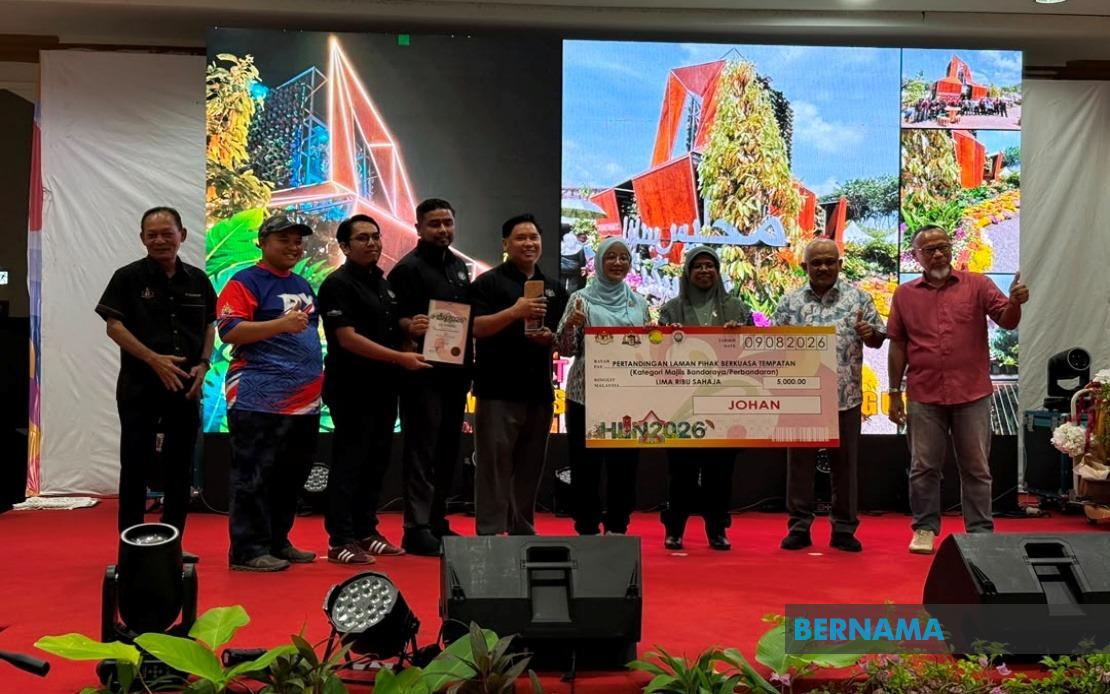
The National Landscape Day celebration held in Melaka demonstrated considerable public enthusiasm for the programme. The four-day event, culminating with a prize-giving ceremony at Hang Jebat Stadium in Krubong, attracted approximately 80,000 visitors, indicating strong community interest in landscaping and recreational development. The event served a dual purpose: fostering wider appreciation for landscape design within society whilst simultaneously providing industry entrepreneurs with a marketplace to exhibit and distribute landscaping products and services. This combination of awareness-building and commercial opportunity reflects thoughtful event design that engages both consumers and businesses.
Deputy Housing and Local Government Minister Datuk Aiman Athirah Sabu officially recognised the celebration, signalling ministerial commitment to the landscaping sector. Support from state-level officials, including State Housing, Local Government, Drainage, Climate Change and Disaster Management Committee chairman Datuk Rais Yasin, demonstrates coordination across governance tiers. This vertical alignment between federal and state authorities appears necessary given that parks require integration with local municipal planning and maintenance frameworks.
The strategic timing of park development warrants examination. With 216 parks completed and 100 under construction, completion of the remaining 684 parks within the subsequent five-year window would require accelerated construction rates. Assuming linear progression, current timelines might necessitate annual construction of approximately 137 parks to achieve the 2030 target. This acceleration may require enhanced budget allocations, streamlined approval processes, and expanded contractor capacity within the landscaping sector. Malaysian policymakers will need to ensure resource availability matches stated ambitions.
From a regional development perspective, MADANI parks address growing urbanisation pressures across Malaysia. As more citizens migrate to towns and cities seeking employment, competition for land intensifies. Localised recreational amenities become increasingly valuable in maintaining quality of life within densely populated areas. These parks potentially reduce the need for lengthy commutes to distant natural areas, encouraging active lifestyles and community cohesion without requiring residents to sacrifice leisure time to transportation.
The programme aligns with broader sustainability considerations emerging in Southeast Asian urban planning. Distributing green spaces throughout residential areas rather than concentrating them in specific zones reduces urban heat island effects, improves air quality, and enhances biodiversity within populated centres. Malaysian cities grappling with congestion and air pollution may benefit from such decentralised greening approaches. The integration of recreational facilities with landscape improvements suggests environmental co-benefits alongside social outcomes.
Community feedback mechanisms have been embedded into future planning. The National Landscape Department indicated that preparations for next year's National Landscape Day celebration would commence immediately, with systematic consultation of stakeholders regarding suitable locations and prevailing preferences. This iterative approach suggests responsiveness to public input rather than imposition of standardised designs across diverse communities. Different neighbourhoods may reasonably have varying recreational priorities, and incorporating local perspectives enhances park utilisation and satisfaction.
The MADANI parks initiative carries implications for municipal governance and maintenance responsibilities. Once constructed, these 1,000 facilities require ongoing upkeep including landscaping maintenance, equipment servicing, and security provision. Local authorities and municipal councils must develop operational frameworks and secure recurring budget allocations to sustain facilities over decades. Programme success ultimately depends not merely on construction completion but on sustained functionality and quality standards throughout the parks' operational lifespans.
For Malaysian professionals in architecture, landscape design, and construction sectors, the programme represents substantial commercial opportunity. Expansion to 784 additional parks over coming years will sustain demand for design services, materials sourcing, and construction labour. Smaller contractors and local businesses may particularly benefit from community-scaled projects that distribute work across regions rather than concentrating resources in metropolitan centres. This economic dimension supports peripheral economic development whilst advancing social infrastructure objectives.
International best practices in universal design and community park development provide potential reference points for Malaysian planners. Examining successful models from neighbouring jurisdictions or developed nations could enhance design quality and user satisfaction. South Korean neighbourhood parks and Singaporean community gardens demonstrate how dense urban environments can effectively integrate accessible green spaces, though adapted for Malaysian climate, cultural preferences, and budgetary parameters.
The government's 1,000-park target by 2030 reflects commitment to tangible quality-of-life improvements across diverse Malaysian communities. With progress already evident and systematic planning underway, the initiative may substantially reshape recreational accessibility across the nation, particularly benefiting residents in smaller towns and suburban neighbourhoods often neglected in favour of prominent metropolitan leisure facilities. Success requires sustained funding, efficient execution, and long-term maintenance commitment from relevant authorities.

