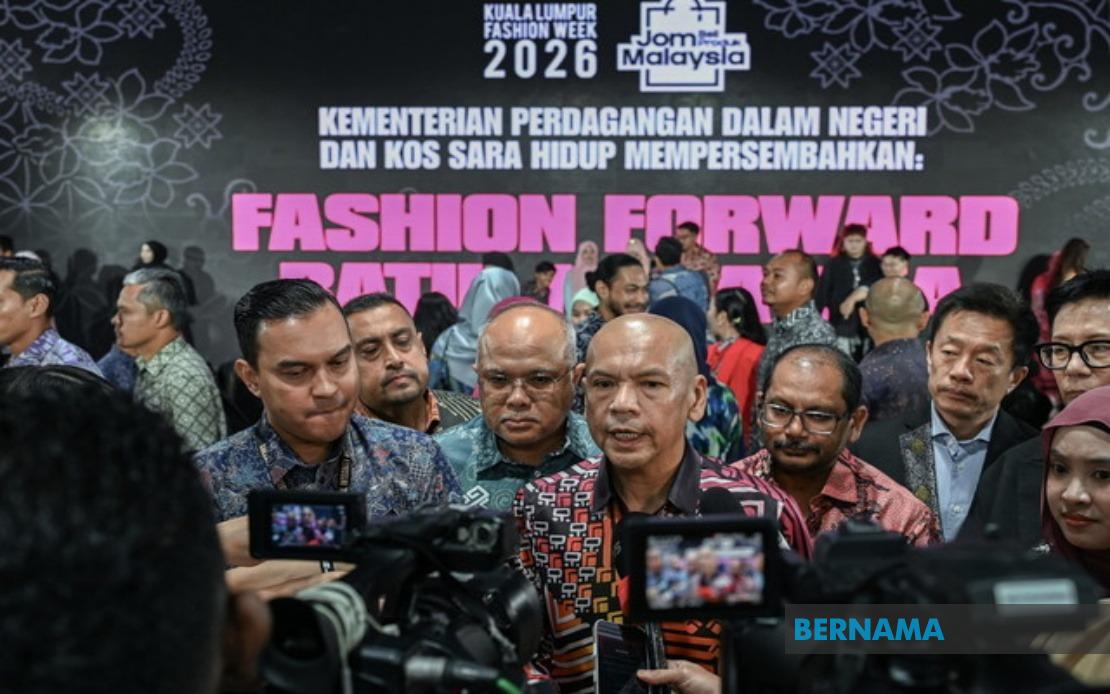
The Malaysian government is taking a more collaborative approach to bolstering the domestic products sector by explicitly inviting stakeholders across industries to feed their insights into policymaking. Domestic Trade and Cost of Living (KPDN) Minister Datuk Armizan Mohd Ali made the call for proposals and feedback, signalling a shift toward a more inclusive governance model where government policies reflect the real needs and concerns of business and industry rather than being developed in isolation within ministry walls.
This openness reflects recognition that siloed operations across different government departments have historically undermined the effectiveness of initiatives aimed at promoting Malaysian goods. The KPDN minister acknowledged that coordination between various ministries and agencies remains crucial to achieving meaningful results. Suggestions and proposals can be channelled directly to the ministry or relevant government bodies, with the understanding that these inputs will be elevated to the Cabinet Committee to Empower the Use and Purchase of Local Products for formal consideration.
The Cabinet Committee itself, established in July and chaired by Deputy Prime Minister Datuk Seri Fadillah Yusof with KPDN serving as secretariat, represents a structured attempt to break down bureaucratic silos. The committee brings together representatives from the Ministry of Economy, the Ministry of Investment, Trade and Industry (MITI), the Ministry of Tourism, Arts and Culture (MOTAC), the Ministry of Entrepreneur Development and Cooperatives (KUSKOP), the Finance Ministry, and various related agencies. This multi-agency approach underscores the government's recognition that strengthening local products requires coordinated action across economic, cultural, investment, and entrepreneurship portfolios.
Driving this policy push is a dual concern: the need to reduce Malaysia's dependence on imported goods while simultaneously supporting local entrepreneurs who face intense competition from foreign products flooding the market. Datuk Armizan specifically highlighted the challenges posed by the influx of overseas products, particularly those distributed through e-commerce platforms. This concern resonates deeply in Malaysia's increasingly digital economy, where online marketplaces have made it easier for foreign retailers to reach Malaysian consumers directly, often with pricing advantages that domestic sellers struggle to match.
The ultimate objectives of the committee go beyond mere protectionism. The initiative aims to increase the contribution of local products to Malaysia's economic growth, provide meaningful support to local entrepreneurs facing competitive pressures, and create sustainable demand for domestically manufactured goods. By framing the issue around economic growth and entrepreneurial support rather than restriction, the government positions the agenda as broadly beneficial rather than narrowly nationalist.
One concrete manifestation of this strategy is the government's partnership with the Kuala Lumpur Fashion Week (KLFW) 2026, which the KPDN minister highlighted as a platform for advancing the Jom Beli Produk Malaysia (JOM MALAYSIA) movement. This initiative demonstrates how international-scale promotional events can be leveraged to build global visibility for Malaysian products. The previous year's KLFW generated a reported media value of USD32 million, indicating substantial international exposure and market reach. Such platforms offer Malaysian businesses, particularly those in fashion and cultural sectors, opportunities to access international buyers and establish premium positioning for locally-made goods.
The cultural and creative industries represent a particularly significant opportunity for local product advancement. According to Malaysia's 2024 Cultural and Creative Satellite Account Report, these sectors contributed RM130.7 billion or 6.8 percent to gross domestic product. This substantial economic contribution underscores why initiatives like batik promotion and fashion industry support matter beyond mere craft preservation. They represent viable economic engines capable of generating employment, export revenue, and innovation when properly supported and strategically promoted. The emphasis on batik at KLFW, for instance, ties together cultural heritage with contemporary commercial appeal, positioning traditional Malaysian products for modern, premium-priced market segments.
The timing of this stakeholder engagement initiative is noteworthy. By inviting input before the Cabinet Committee holds its first meeting, the government demonstrates intent to build consensus rather than impose top-down directives. This approach potentially increases buy-in from industry players and reduces the risk of policies that miss market realities or create unintended consequences. However, the effectiveness of this consultation process will depend on whether genuine feedback genuinely influences subsequent policy decisions or whether the engagement is merely performative.
For Malaysian businesses and industry associations, this represents a genuine opportunity to shape policies affecting their operations and competitiveness. Stakeholders can submit detailed analyses of barriers they face in promoting local products, including supply chain constraints, quality standards, pricing competitiveness, and market access. The existence of a formal mechanism to route such feedback directly to Cabinet-level deliberation potentially creates space for evidence-based policymaking rather than decisions made on intuition or political preference.
The broader context involves Malaysia's position in an increasingly integrated Southeast Asian and global economy where consumers have unprecedented access to foreign goods. The challenge is not preventing imports or forcing consumers to buy local, but rather creating conditions where local products can compete effectively on quality, price, and availability. This requires identifying competitive advantages in specific sectors where Malaysian producers can realistically dominate or differentiate, rather than attempting blanket support across all industries.
Regional implications also merit attention. As other Southeast Asian nations pursue similar local product promotion strategies, Malaysia's approach through inclusive consultation could set a model for balancing domestic support with maintaining competitive, open markets. The emphasis on brand-building and international market access rather than protectionist barriers positions Malaysia's strategy as compatible with regional trade frameworks and international commerce norms.
Moving forward, the success of these efforts will be measured through tangible indicators: growth rates for domestic product sales, expansion of export markets for Malaysian goods, reduction in import penetration in key sectors, and expansion of local business employment and investment. The Cabinet Committee's first meeting, expected soon, will reveal whether stakeholder input has meaningfully shaped policy direction or whether predetermined approaches dominate. For Malaysian business observers and entrepreneurs, carefully calibrated feedback to the KPDN and related agencies during this consultation window could prove consequential for years to come.

