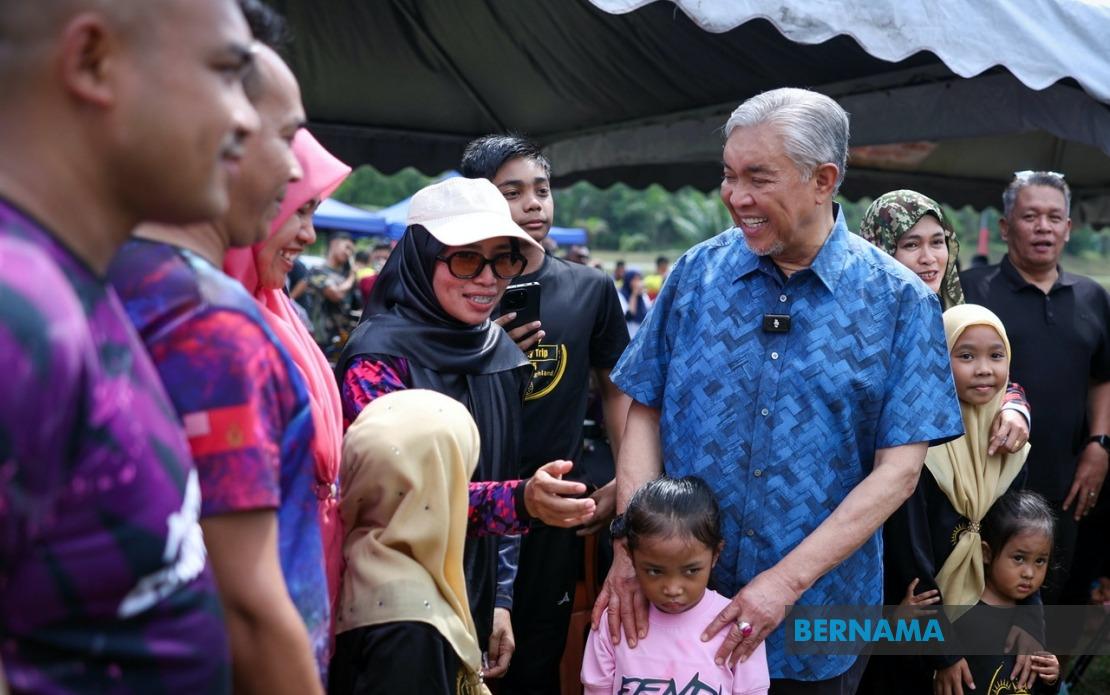
The Malaysian government views the well-being of Armed Forces personnel as integral to national defence capability, with Deputy Prime Minister Datuk Seri Dr Ahmad Zahid Hamidi stating that comprehensive welfare support enables troops to focus entirely on their primary mission of protecting the nation. Speaking at the Southern Zone ATM Family Day Carnival at Kem Syed Sirajuddin in Tampin on July 26, Ahmad Zahid outlined the administration's multi-faceted approach to addressing the needs of military families, recognising that service members perform optimally when freed from domestic concerns.
The government's commitment extends across three interconnected pillars that directly impact the stability of military households. Housing ranks as a primary focus, with the construction of 1,300 Military Family Housing (RKAT) units at Kem Syed Sirajuddin in Gemas representing a substantial investment in residential infrastructure for military communities. Beyond new construction, the initiative encompasses broader upgrades to existing military camps, demonstrating an effort to modernise the built environment where service families reside. These housing improvements address a long-standing challenge within the armed forces, where adequate accommodation has been essential to retention and morale.
Educational support forms the second pillar of this welfare strategy, acknowledging that children's schooling represents a significant concern for military families who may be posted to various locations across the country. The government has committed to enhancing educational facilities available to military dependents and, notably, improving transport safety and suitability for children travelling to school. This recognises the unique challenges faced by military families, whose mobility requirements can disrupt educational continuity and create logistical obstacles for parents balancing career responsibilities with childcare duties.
The broader welfare framework encompasses additional support mechanisms designed to address the comprehensive needs of service personnel and their dependents. Ahmad Zahid emphasised that when children receive quality education and family welfare is adequately protected, armed forces members can discharge their duties with greater psychological stability and commitment. This connection between domestic security and professional performance reflects modern understanding of how personal circumstances influence workplace productivity and job satisfaction, particularly relevant in the demanding environment of military service.
Prime Minister Datuk Seri Anwar Ibrahim reinforced this government position the previous Friday, explicitly characterising military personnel welfare as a policy priority that reflects recognition of the armed forces' indispensable contribution to the nation's stability and security. The Prime Minister's intervention at the policy level signals that welfare improvements are not peripheral initiatives but core elements of government strategy, ensuring sustained political commitment across electoral cycles. This top-level endorsement suggests coordination between different government agencies in implementing welfare programmes for military communities.
The financial commitment backing these initiatives totalled RM844 million under this year's housing services budget, a substantial allocation that demonstrates concrete resource allocation beyond rhetorical support. This funding envelope covers both new housing projects and critical infrastructure upgrades across military establishments nationwide, ensuring that improvements extend beyond a single location to benefit armed forces communities across Malaysia. The scale of this investment indicates that housing and welfare enhancements represent genuine budgetary priorities rather than marginal adjustments to existing allocations.
The specific focus on Kem Syed Sirajuddin in Gemas exemplifies the government's approach, with the construction of 1,300 new RKAT units transforming accommodation capacity at this significant military installation. Such concentrated development suggests strategic planning to create model military communities that could demonstrate best practices in housing and family support infrastructure. The scale of this single project indicates that the government is willing to undertake substantial construction efforts to address accumulated housing deficits within the armed forces.
Recognising the sacrifices of military personnel forms an important rhetorical and policy foundation for these welfare initiatives. Ahmad Zahid highlighted that armed forces members have not only defended national sovereignty during periods of conflict but have continuously safeguarded Malaysia's peace and security in the absence of active warfare. This framing acknowledges both historical contributions during defined military engagements and ongoing peacekeeping responsibilities, from border security to domestic stability operations, that consume considerable resources and personnel commitment.
For Malaysian readers and regional observers, these welfare announcements carry significance beyond immediate military circles. The condition of armed forces housing, education facilities, and family support systems reflects broader government capacity to deliver public services and maintain institutional morale within security forces. In a regional context where military effectiveness influences national resilience and foreign policy capacity, investments in personnel welfare indirectly strengthen Malaysia's strategic position. Additionally, military housing construction generates economic activity in communities where camps are located, creating secondary benefits for local employment and development.
The government's explicit linking of personnel welfare to national defence performance suggests recognition that modern military effectiveness depends not solely on equipment and training but on maintaining institutional stability and personnel satisfaction. By prioritising housing, education, and family support, the government addresses retention challenges and institutional morale that underpin long-term military capability. This approach reflects contemporary understanding that professional armed forces require comprehensive support systems to sustain recruitment and retain experienced personnel in competitive labour markets.
These welfare initiatives also address potential recruitment challenges facing the military in an era when alternative employment opportunities abound. By demonstrating commitment to service members' families and living standards, the armed forces can present a more attractive career proposition to younger Malaysians considering military service. Education support for children particularly resonates with potential recruits concerned about family stability and their children's future prospects, making military service a viable long-term career choice rather than a temporary obligation.
Looking forward, the implementation of these programmes will determine whether announced commitments translate into tangible improvements in military family circumstances. The scale of housing construction at Kem Syed Sirajuddin and the nationwide infrastructure upgrades suggest sustained implementation capacity, though success will depend on project execution timelines and quality standards. For military communities and their families, these initiatives represent official acknowledgement of their contributions and recognition that their welfare merits government priority alongside more visible defence spending on equipment and capabilities.

