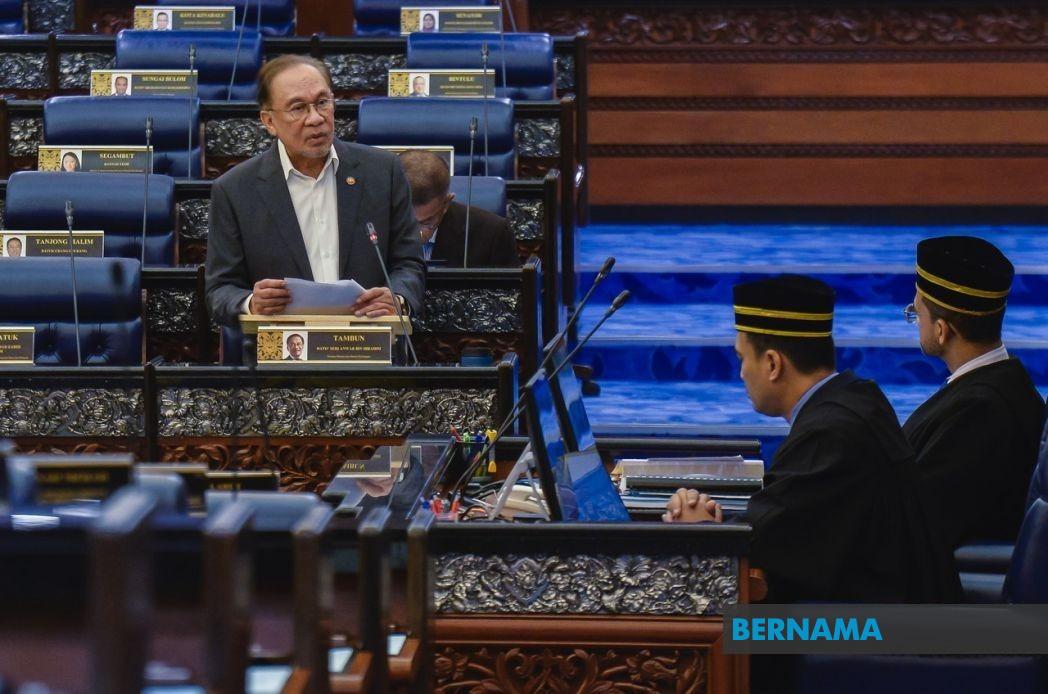
Prime Minister Datuk Seri Anwar Ibrahim has committed to obtaining detailed information and engaging in substantive discussions with major oil companies regarding allegations that petrol station operators experienced financial difficulties during the transition period of Malaysia's overhauled fuel subsidy system. Speaking during Minister's Question Time in Parliament on July 7, Anwar acknowledged the gravity of the matter and pledged government attention to the concerns raised by the retail fuel sector.
The focal point of the discussion centred on claims made by Ipoh Timur MP Howard Lee Chuan How, who presented evidence that individual petrol station operators had incurred losses ranging between RM40,000 and RM50,000 during the changeover to the government's new targeted subsidy mechanism for RON95 petrol and diesel. This allegation suggests that retailers faced significant disruption and financial exposure during the implementation of what the government considers a crucial economic reform initiative.
Responding to Lee's concerns, Anwar indicated that the responsibility for managing this issue would be delegated to Datuk Seri Amir Hamzah Azizan, the Second Finance Minister, who would lead discussions with industry stakeholders. The Prime Minister emphasised that securing comprehensive details from both oil companies and station operators would be essential before determining an appropriate course of action. This hierarchical delegation reflects the government's view that the matter warrants ministerial-level engagement rather than bureaucratic handling alone.
Anwar publicly commended the cooperation shown by oil companies and petrol station operators throughout the subsidy transition, framing their participation as instrumental in achieving the government's policy objectives. He argued that without such collaborative efforts from the energy sector, the successful rollout of the targeted subsidy programme would have been impossible to achieve. This acknowledgment serves as a foundation for Anwar's assertion that the government recognises the sector's contributions and remains willing to address grievances constructively.
The targeted RON95 petrol and diesel subsidy scheme represents a significant departure from Malaysia's previous blanket subsidy approach, designed to provide price support directly to qualifying motorists rather than universally subsidising fuel at the pump. This transition required substantial logistical coordination and system changes across the entire fuel distribution network. The allegations of operator losses suggest that the implementation period created unforeseen financial pressures on smaller retailers who operate at thin profit margins.
For Malaysian consumers and the broader economy, this exchange highlights ongoing tensions between fiscal responsibility and social support. The government's commitment to targeted subsidies aims to improve budget efficiency and reduce wastage, yet the human cost on frontline retailers merits consideration. Petrol station operators form a crucial node in Malaysia's supply chain, and their financial viability directly affects service availability, employment, and competition in local markets.
Anwar's promise to investigate and facilitate dialogue indicates that the government recognises the need for balance between policy implementation and stakeholder welfare. By committing to examine whether specific compensation or transition support mechanisms might be warranted, the administration signals openness to remedial action. This approach could set important precedents for how future economic reforms affecting small and medium-sized enterprises are managed and monitored.
The involvement of oil companies in these discussions carries particular significance, as these entities control pricing structures and margin frameworks that directly influence petrol station profitability. Their cooperation will be essential in determining whether losses resulted from temporary market dislocation or systemic structural issues. Understanding the root causes will help distinguish between one-time adjustment costs and ongoing operational challenges requiring permanent solutions.
From a regional perspective, Malaysia's experience with fuel subsidy reform carries implications for other Southeast Asian economies grappling with similar policy transitions. Indonesia, Thailand, and the Philippines have all undertaken subsidy rationalisation programmes, and Malaysia's approach to addressing retail sector grievances during such transitions offers lessons in inclusive implementation. The government's willingness to engage rather than dismiss operator concerns demonstrates an understanding that sustainable policy requires buy-in from all stakeholders.
The coming discussions between the Second Finance Minister and industry representatives will determine whether the allegations warrant government intervention through compensatory measures, revised margin structures, or extended transition periods. Such outcomes would likely influence how the government approaches future major economic reforms and whether targeted subsidies become a permanent feature of Malaysia's fiscal landscape. The resolution of this matter will also signal to the business community whether the government prioritises rapid policy implementation or balanced stakeholder outcomes.

