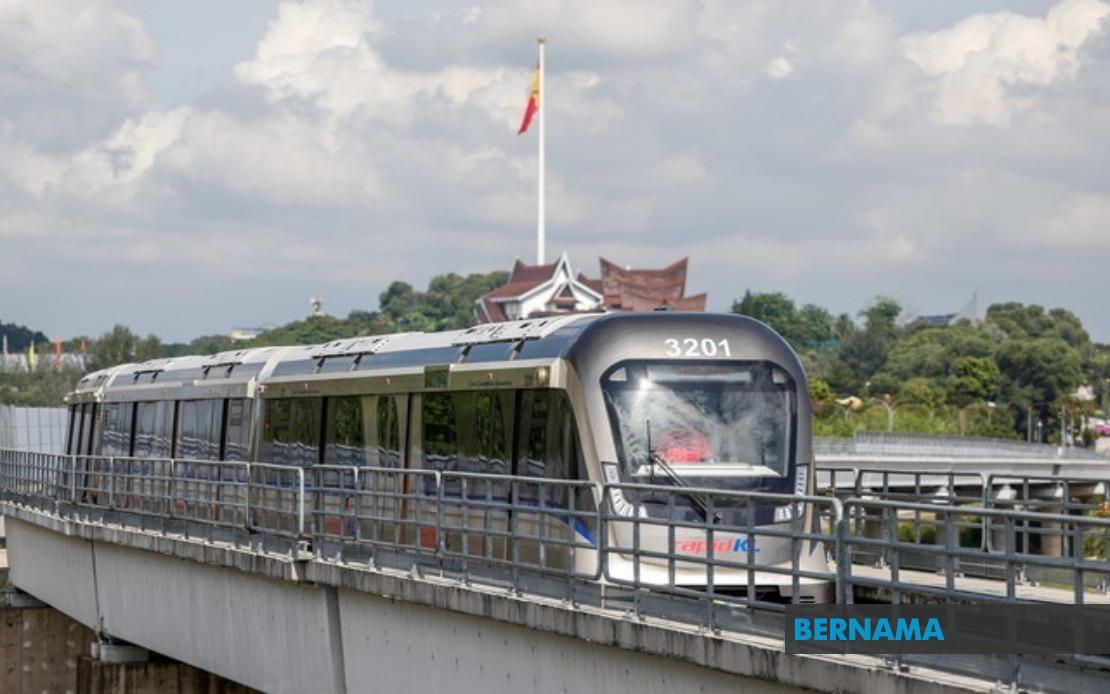
The MADANI Government plans to arrange an audience with Sultan Sharafuddin Idris Shah, the Sultan of Selangor, to address the Ruler's concerns about the LRT3 Shah Alam Line project. Transport Minister Anthony Loke made the announcement at a charity dinner event in Kuala Lumpur on July 2, indicating the administration's commitment to engaging with the state's monarchy over the contentious transport infrastructure initiative.
The decision follows critical remarks made by Sultan Sharafuddin regarding the project's escalating costs and repeated delays, which have drawn considerable public and royal attention to what was once envisioned as a major urban rail development. Loke emphasized that the government takes the Ruler's observations seriously and views the proposed meeting as an opportunity to provide comprehensive clarification on the project's current status and future trajectory.
Sultan Sharafuddin had articulated several substantive concerns about how the LRT3 initiative has evolved since the change in federal government in 2018. The Ruler noted that the project was shelved for more than 18 months following the transition, then faced an additional 19-month suspension due to the COVID-19 pandemic, with complications extending through 2021. These protracted delays have forced significant compromises that fundamentally altered the project's original scope and ambitions.
The scaled-down version of LRT3 now differs markedly from initial plans. The station designs have been reduced in size, the proposed fleet of train carriages has been trimmed, and five stations originally planned along the alignment have been cancelled entirely. These modifications represent a material departure from what stakeholders and the public had anticipated when the project was first conceived and endorsed.
Sultan Sharafuddin emphasized that the LRT3 project should not be regarded as a vanity undertaking designed to enhance governmental prestige or deliver headline-grabbing infrastructure. Instead, the Ruler framed the initiative as fundamentally a public service initiative intended to deliver tangible benefits and improve quality of life for residents of the Klang Valley, particularly those in Shah Alam and surrounding areas. This reframing underscores the importance of delivering a project that genuinely serves commuters rather than merely showcasing governmental capacity.
The government's willingness to seek royal engagement reflects the delicate political dynamics surrounding major infrastructure projects in Malaysia. Securing the backing and understanding of state rulers is integral to legitimizing significant public expenditures, particularly when those projects have experienced considerable delays and cost escalations. For Malaysian readers familiar with the country's constitutional arrangements, such high-level engagement demonstrates appropriate respect for the institution of the monarchy and recognition of the Ruler's legitimate interest in major developments affecting his state.
Beyond the LRT3 situation, Loke outlined additional transport policy initiatives with direct implications for Malaysian citizens. The Transport Ministry has coordinated with Keretapi Tanah Melayu Berhad (KTMB) to expand the frequency of the Electric Train Service (ETS) operating between Kuala Lumpur and Johor Bahru. These additional services are timed to coincide with the 16th Johor State Election scheduled for July 11, specifically designed to facilitate outstation voters returning to their constituencies to exercise their electoral franchise.
The enhanced ETS schedule represents a practical acknowledgment that geographic distance and transport logistics can hinder voter participation, particularly among Malaysians living or working away from their home constituencies. By increasing service frequency along major commuter corridors linking Kuala Lumpur with Johor Bahru, Segamat, Labis, and other regional centers, the government aims to remove infrastructural barriers to voting. The initiative also benefits those traveling from Singapore, who can utilize the expanded ETS services to reach various Johor destinations.
The Johor state election will see 172 candidates competing across 56 state seats, representing a significant electoral exercise that will test voter sentiment and party support in one of Malaysia's most politically significant states. Early voting has been scheduled for July 7, with the main polling day on July 11. The government's transport facilitation efforts suggest recognition that maximizing voter turnout serves broader democratic objectives while also potentially benefiting the ruling coalition's electoral prospects.
For Southeast Asian readers observing Malaysian political developments, these concurrent stories illustrate broader governance challenges facing the MADANI administration. The government must simultaneously manage substantive criticism from state-level institutions regarding major infrastructure investments while implementing pragmatic policies addressing citizen participation in democratic processes. The LRT3 situation, characterized by delays and cost pressures, reflects implementation challenges common across the region as developing nations grapple with complex urban rail projects.
The meeting with Sultan Sharafuddin represents an opportunity for the government to reset expectations regarding the LRT3 project and potentially articulate a revised vision aligned with the Ruler's perspective on serving public welfare rather than institutional prestige. How the government frames and delivers on the project's original development objectives will likely influence public confidence in future major infrastructure initiatives and the administration's capacity to manage complex technical and financial undertakings.
These developments occur against Malaysia's broader trajectory of political and institutional consolidation following the 2018 electoral transition and subsequent political shifts. The government's engagement with the Selangor monarch on infrastructure matters and its facilitation of voter participation in state elections illustrate the complex negotiations and accommodations required to govern effectively within Malaysia's constitutional and political framework. For stakeholders monitoring Malaysian politics and policy implementation, these initiatives offer insight into how institutional relationships and democratic participation intersect in contemporary governance.

