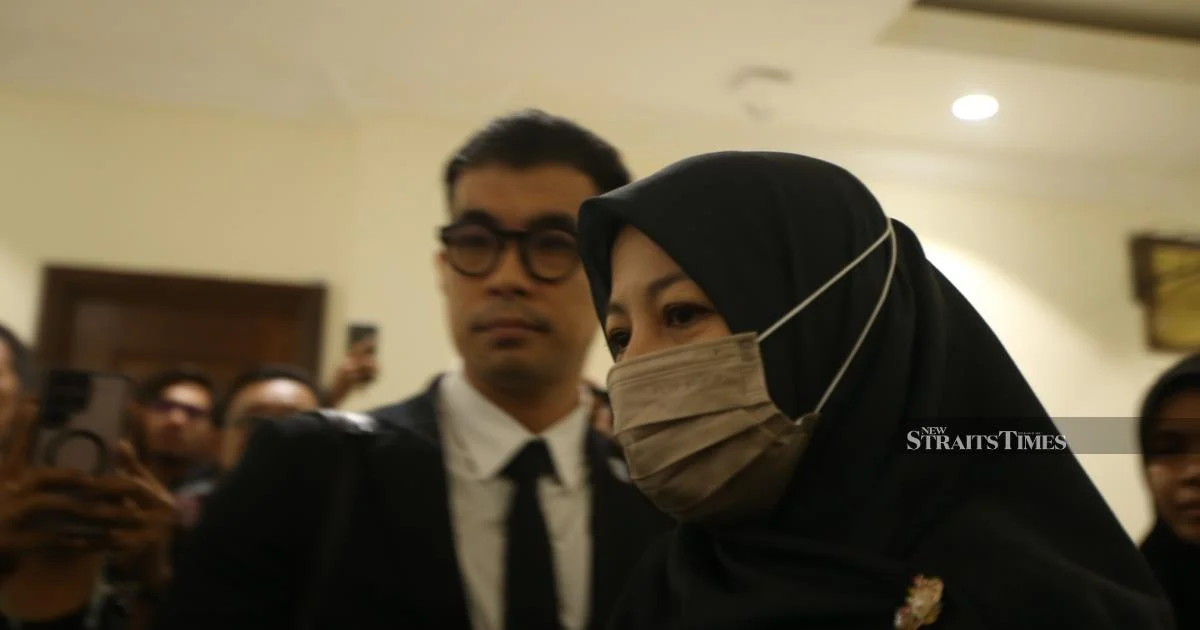
In proceedings before the coroner's court in Kota Kinabalu, Noraidah Lamat disclosed that she harboured significant regret over the decision to have her daughter, the late Zara Qairinah Mahathir, study at SMKA Tun Datu Mustapha. The revelation emerged as the inquest examined the circumstances surrounding the teenager's death, drawing renewed public attention to a case that has weighed heavily on her family and the broader community.
The statement carries weight given the formal setting of a coroner's inquiry, where mothers and family members must recount decisions made under ordinary circumstances that took on tragic significance in retrospect. Educational choices that seemed sound at the time of enrolment often appear different when tragedy strikes. This case has ignited discussions across Malaysia about school safety, pastoral care, and the duty of educational institutions to protect their students.
SMKA Tun Datu Mustapha, a religious secondary school in Sabah, came into sharp focus following the incident. The school serves as a residential institution for many students, placing additional responsibility on administrators and staff to ensure comprehensive welfare support systems. Parents entrust these schools with their children during formative years, making any lapses in duty particularly acute from both an ethical and legal standpoint.
Zara Qairinah Mahathir's case has resonated beyond Sabah, as Malaysian parents nationwide grapple with selecting institutions that balance academic excellence with genuine concern for student wellbeing. The choice between day schools and residential facilities, between secular and religious-oriented education, carries implications that extend to fundamental questions about pastoral oversight and crisis management. Noraidah Lamat's expressed regret signals the profound emotional toll on families when such decisions become intertwined with loss.
The coroner's court serves as an important mechanism for examining deaths that warrant official investigation. These proceedings allow family members to voice concerns, ensure that relevant facts emerge into public record, and potentially identify systemic weaknesses that require remedial action. In this instance, Noraidah Lamat's testimony contributes to a fuller understanding of the context surrounding her daughter's enrolment and the circumstances that followed.
Schools in Malaysia, particularly residential institutions, operate within a framework of in loco parentis—acting in place of parents. This legal and moral principle obligates them to exercise the care and supervision that a careful, responsible parent would provide. When families entrust children to such institutions, they rely on established safety protocols, trained staff, and responsive management structures. Any indication that these safeguards proved insufficient typically prompts serious institutional self-examination.
The inquiry process itself reflects Malaysia's commitment to accountability in cases involving young people. Coroner courts examine evidence systematically, hear witness testimony, and ultimately determine factual conclusions that inform the public record. For bereaved families like Noraidah Lamat and her relatives, these proceedings represent both a forum for raising legitimate concerns and an opportunity to ensure that lessons are identified and acted upon.
Educational choices remain among the most consequential decisions parents make for their children. Selecting between different schools involves weighing academic reputation, religious orientation, location, cost, and perceived quality of pastoral care. Parents generally endeavour to make informed selections based on available information, institutional track records, and recommendations from community networks. When outcomes prove tragic, the weight of those original decisions becomes almost unbearable.
The case raises broader questions about how residential schools in Malaysia approach student mental health, support systems for vulnerable teenagers, and protocols for identifying and responding to students in distress. Educational institutions increasingly recognise that academic programmes must be accompanied by robust counselling services, peer support networks, and staff training in recognising warning signs. Gaps in these areas can have serious consequences.
For Sabah specifically, the case has prompted reflection within educational and government circles about standards across schools, consistency of oversight mechanisms, and resource allocation toward student welfare. The state's education system, like others nationwide, continues evolving in response to contemporary understandings of adolescent development and mental health needs.
Noraidah Lamat's regret, expressed in the formal setting of the coroner's court, encapsulates the anguish of bereaved parents contemplating paths not taken. Her testimony serves as a powerful reminder that educational institutions bear significant responsibility for their charges, and that parental trust must be honoured through comprehensive, genuine commitment to student safety and wellbeing. The inquest proceedings continue to examine this matter thoroughly, potentially yielding recommendations that could prevent similar tragedies.
The coroner's findings will likely attract careful attention from education officials, school administrators, and parents across Malaysia. Such cases often catalyse important conversations about institutional accountability, systemic safeguards, and the measures required to protect young Malaysians during their years in formal education. Noraidah Lamat's expression of regret, painful as it is, may contribute meaningfully to those necessary dialogues.

