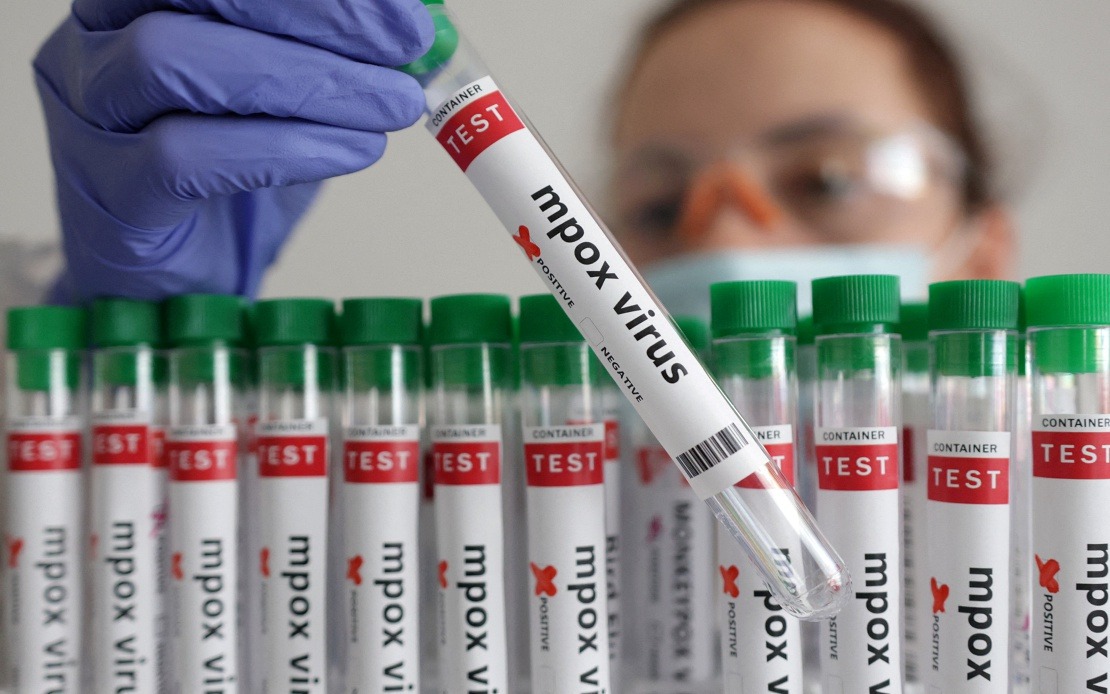
Guinea-Bissau has documented its first confirmed case of mpox, marking a significant development in the epidemiological situation across West Africa and heightening attention to infectious disease preparedness in the region. Public Health Minister Quinhin Nantote made the announcement on Saturday evening, disclosing that a 27-year-old woman sought medical treatment on June 24 after developing symptoms consistent with the viral infection.
The diagnostic pathway followed standard international protocols. Health authorities collected tissue samples from characteristic skin lesions and forwarded them to Guinea-Bissau's National Institute of Public Health for initial laboratory analysis. Following detection of mpox virus markers, the samples underwent confirmation testing at the Institut Pasteur in Dakar, Senegal, a leading regional reference laboratory. This two-stage verification process ensures diagnostic accuracy and meets World Health Organisation standards for case confirmation in resource-limited settings.
In response to the confirmation, Guinea-Bissau's health sector has activated comprehensive national containment strategies aligned with the International Health Regulations framework established by the WHO. These measures extend beyond clinical management to encompass systematic epidemiological investigation designed to identify, monitor, and assess health risk among individuals who had close contact with the confirmed case. Contact tracing represents a critical intervention during the early phases of any outbreak, particularly for a disease with significant person-to-person transmission potential.
Surveillance infrastructure has been bolstered throughout Guinea-Bissau, with particular emphasis on border control points. This defensive strategy reflects recognition that West African nations share porous land boundaries and significant regional population movement, creating pathways for disease transmission across borders. Enhanced screening at entry points aims to detect additional cases early and prevent further geographical spread into neighbouring countries.
Minister Nantote has simultaneously communicated guidance to the general population regarding preventive practices. The public advisory emphasises routine hygiene measures including frequent handwashing with soap and clean water, which disrupts the transmission chain by removing viral particles from skin surfaces. Citizens have been instructed to maintain physical distance from individuals exhibiting fever or skin rashes, reflecting the understanding that proximity increases exposure risk during symptomatic phases when viral load is typically highest.
Mpox transmission occurs through multiple routes, complicating control efforts. The virus spreads via body fluids exchanged during close contact, respiratory droplets expelled during coughing or sneezing, and contaminated materials such as bedding or clothing. This multi-pathway transmission dynamic distinguishes mpox from diseases spread through single mechanisms, requiring multifaceted prevention strategies rather than reliance on isolated interventions.
Clinically, mpox presents with characteristic symptoms that healthcare workers across the region should recognise for early case identification. Infected individuals typically experience fever, myalgia, and the distinctive vesicular rash from which the disease derives its name. Lymphadenopathy frequently accompanies systemic symptoms, providing additional diagnostic clues during clinical assessment. The disease course varies from mild to severe, with hospitalisation sometimes necessary for complicated cases or immunocompromised patients.
For Malaysian readers, this development carries several implications. Southeast Asia has maintained heightened vigilance following mpox's global spread in recent years, with several countries in the region documenting imported and locally transmitted cases. Guinea-Bissau's confirmation underscores that mpox continues circulating in West Africa, creating potential epidemiological risk for Malaysian healthcare systems managing international travellers from the region. The case also demonstrates how regional reference laboratory networks—such as the Institut Pasteur in Senegal—provide essential diagnostic support for countries with limited molecular capacity, a model potentially relevant to ASEAN health cooperation frameworks.
Guinea-Bissau's institutional response reflects improving disease surveillance capacity across portions of the African continent. The activation of International Health Regulations protocols and WHO-aligned response mechanisms suggests that West African nations have integrated global health security frameworks into their operational preparedness. However, resource constraints remain a significant limiting factor in sustaining intensive epidemiological investigations and contact management in low-income settings, potentially complicating efforts to contain transmission.
The timing of this confirmation, announced in July, coincides with the WHO's declaration of mpox as a public health emergency of international concern earlier in 2024. This global context means that Guinea-Bissau's case receives heightened attention from international health agencies and donor governments, potentially facilitating rapid deployment of diagnostic resources, medical supplies, and technical support from global health partners. Regional coordination through African Union health mechanisms and bilateral agreements with more-resourced African nations may enhance response effectiveness.
Moving forward, Guinea-Bissau faces the epidemiological challenge of determining whether this represents an isolated imported case or evidence of ongoing community transmission. The epidemiological investigation examining the patient's contacts will provide crucial intelligence regarding transmission patterns and whether additional undetected cases exist within the general population. Results from these investigations will inform public health messaging and guide allocation of containment resources.

