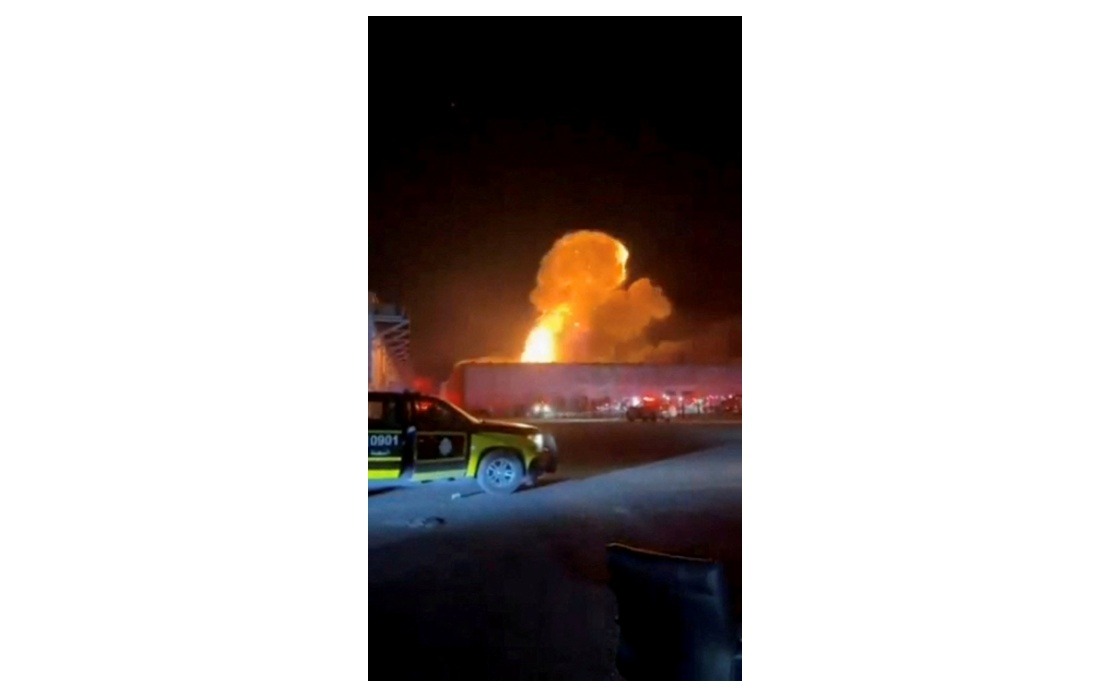
Three major Gulf Cooperation Council members activated emergency protocols on Friday as the region faced a fresh security crisis stemming from cross-border missile and drone strikes. The simultaneous alerts across Bahrain, Qatar, and Kuwait reflected the gravity of the situation and demonstrated how quickly threats can spread across the densely interconnected air and sea corridors of the Persian Gulf.
Kuwait bore the brunt of the immediate threat. The country's Interior Ministry instructed residents to move to shelters and heed official guidance as warning sirens sounded throughout populated areas. The Kuwaiti military subsequently confirmed that the nation's air defence systems were actively engaging hostile missiles and unmanned aerial vehicles, though officials withheld specifics about the scale or origin of the attack.
In Bahrain, which hosts the US Fifth Fleet headquarters and numerous American military installations, authorities activated emergency sirens and directed civilians toward designated safe zones. The move signalled that threat assessment officials believed danger was imminent or already materialising. Qatar's Interior Ministry took comparable precautions, ordering residents indoors and characterising the security situation as elevated.
The Iranian military claimed responsibility for launching drone operations targeting American military assets in Bahrain, providing a crucial element of context for understanding the regional panic. This assertion underscored how the ongoing Iran-United States rivalry continues to destabilise the Gulf, with smaller states caught between competing military powers using their territory as battlegrounds and staging areas.
The current escalation follows months of deteriorating security conditions dating back to late February, when Washington and Tel Aviv initiated coordinated military operations against Tehran. Iran responded with its own barrage of missiles and drones directed at US positions and Israeli targets across the region. That initial cycle of tit-for-tat strikes rattled markets globally and sparked fears of wider conflict.
Despite negotiated progress in recent weeks, with Pakistan brokering a framework agreement aimed at de-escalation between Tehran and Washington, the situation remains volatile. Both parties have signalled willingness to pursue dialogue and permanent resolution, yet tactical incidents around the Strait of Hormuz have continued. The waterway, through which roughly one-third of globally traded petroleum passes, has become a flashpoint where minor confrontations could trigger major economic consequences.
The Strait of Hormuz remains particularly contentious because its geography gives Iran considerable leverage. The narrowest section extends only 21 nautical miles between Iran and Oman, making maritime traffic vulnerable to Iranian interdiction. Recent weeks have witnessed a pattern of tense encounters between Iranian and Western naval forces, with each side accusing the other of provocative behaviour and aggressive positioning.
For Malaysia and Southeast Asia, these Gulf disturbances carry direct implications. The region depends significantly on uninterrupted oil and liquefied natural gas flows from the Middle East to sustain its manufacturing sectors and electricity generation. Major Malaysian shipping companies operate throughout the area, and Malaysian workers are employed across Gulf nations. Supply chain disruptions or insurance premium spikes stemming from heightened maritime risk ultimately translate into higher costs for Southeast Asian consumers and businesses.
The framework agreement reached last month represented a rare diplomatic opening, with Pakistani mediation helping both sides step back from maximum confrontation. However, the gap between signing preliminary arrangements and implementing comprehensive peace settlements often proves substantial. Trust remains low on both sides, and hardliners in Iran and the United States continue questioning whether genuine reconciliation is possible.
The dual-track dynamic—nominal diplomatic progress coupled with continued military posturing and tactical incidents—reflects deeper structural tensions. Neither Tehran nor Washington has signalled willingness to fundamentally alter its regional presence or ambitions. American military assets remain forward-deployed throughout the Gulf, while Iran continues developing and upgrading its missile and drone capabilities.
For Gulf Arab states like Kuwait, Bahrain, and Qatar, these dynamics create an uncomfortable dilemma. They depend on American security commitments and weapons systems to deter Iranian aggression, yet sustained US military presence and operations also make them targets for Iranian retaliation. Friday's alerts illustrated this precarious balance, where residents must periodically shelter as the two regional heavyweights contest influence.
Observers note that the Iranian drone strike claims and Kuwaiti air defence responses, while serious, remained contained in scope compared to February's broader exchanges. This suggests both sides may be exercising restraint while negotiations continue. However, the willingness to conduct and publicise military operations demonstrates that peaceful resolution remains uncertain and that Gulf residents should prepare for periodic security disruptions.

