An escalating H5N1 avian influenza outbreak across South Australia has prompted warnings from wildlife health specialists that the highly pathogenic strain will very likely make the jump to an endangered marine mammal species, potentially devastating local populations. The discovery of what authorities believe to be Australia's first confirmed case of the virulent H5N1 variant in a seagull along South Australia's south-eastern coastline has intensified concerns about the virus's trajectory, with the total suspected case count now standing at 21 alongside 19 confirmed detections in the state.
The scale and speed of the outbreak's progression has been striking. South Australia alone accounts for the majority of the nation's confirmed and suspected H5N1 cases, with 40 identified across the state. Most alarmingly, 33 of those cases have surfaced since Monday alone, demonstrating how rapidly the virus is circulating through bird populations. The mainland detection of H5N1 dates back to June, but the recent acceleration suggests the outbreak has entered a more active transmission phase. By contrast, the remainder of Australia's states and territories have documented only 14 confirmed cases combined, underscoring South Australia's disproportionate burden.
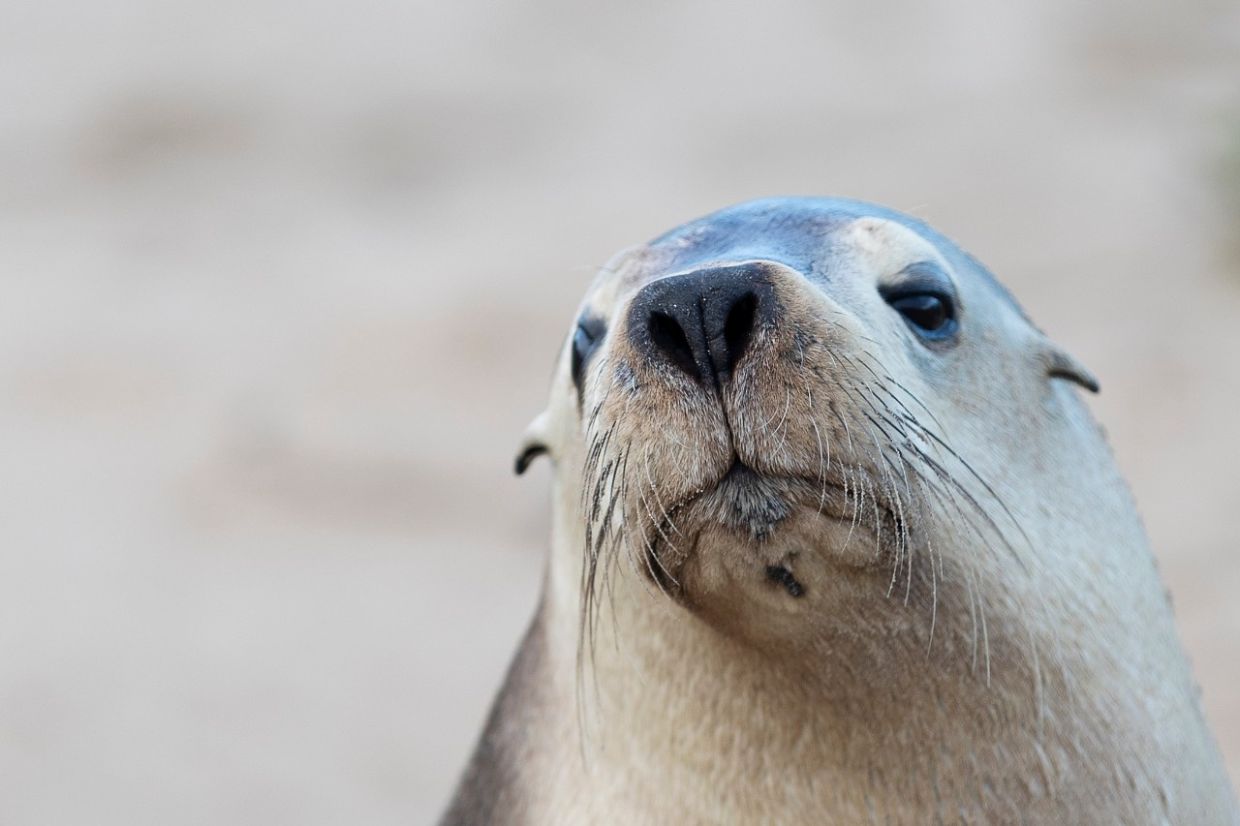
The geographic proximity of infections to critical wildlife habitat has amplified risk assessments among conservation authorities. Four cases were identified on Kangaroo Island, a location already significant for marine mammal protection. One detection specifically occurred at Seal Bay, a locality hosting approximately five per cent of the world's entire population of the Australian sea lion—a species already classified as endangered and representing an irreplaceable genetic reservoir. This concentration of confirmed infections adjacent to such a vulnerable population has transformed the outbreak from a general environmental concern into a potential conservation catastrophe.
The historical precedent invoked by Wayne Boardman, a wildlife veterinarian at the University of Adelaide, provides sobering context for escalated vigilance. Speaking to the Australian Broadcasting Corporation, Boardman articulated the near-certainty that H5N1 would transition from infected seabirds into the sea lion population at Seal Bay. His assessment draws from documented episodes in South America where pinnipeds demonstrated extreme susceptibility to H5N1 infection. In 2022, approximately 30,000 sea lions perished within a six-month window following exposure to the strain—a catastrophic mortality event that revealed how devastating the virus could prove for marine mammal colonies.
Australia itself experienced a comparable disaster more recently. Between August 2025 and January 2026, roughly 13,359 southern elephant seal pups died on Heard Island in the Southern Ocean following H5N1 exposure. The concentration of these deaths among juvenile animals within a discrete island population underscores the particular vulnerability of isolated marine mammal communities to the virus. Such populations lack genetic diversity and behavioural adaptations that might otherwise provide defence, making them essentially defenseless against novel pathogens to which they have never been exposed.
The transmission mechanism from birds to marine mammals operates through direct contact with infected individuals and potentially through contaminated food sources, as sea lions consume fish and other prey that may harbour viral particles. The ecological interconnectedness of Seal Bay—where thousands of seabirds congregate alongside marine mammals—creates optimal conditions for cross-species transmission. Once established within the sea lion population, the virus would almost certainly spread rapidly through the colony due to their highly gregarious nature and the stress-induced immunosuppression that characterises crowded breeding and resting aggregations.
In response to the escalating threat, South Australian authorities have implemented precautionary measures designed to interrupt transmission pathways. The government announced a temporary suspension of beach tours at Seal Bay, a decision balancing tourism interests against conservation imperatives. Minister for Agriculture, Fisheries and Forestry Julie Collins confirmed that government agencies continue collaborating with scientific experts to contain the outbreak's spread. She emphasised that no evidence has emerged of the virus infiltrating commercial agricultural or poultry production systems, maintaining that risks to human health remain minimal.
The distinction between wild bird populations and domesticated poultry systems carries significant economic implications for Australia and the broader region. Were H5N1 to become established in intensive chicken or duck operations, the consequences would extend far beyond conservation concerns into agricultural markets and food security. Regional exporters of poultry products depend on maintaining disease-free status, and outbreaks trigger trade restrictions that can persist for months or years. The current containment to wild bird reservoirs represents a relative fortunate scenario, though one still fraught with environmental danger.
For Southeast Asian nations including Malaysia, the South Australian situation offers instructive lessons about H5N1 surveillance and management. The region's tropical climate and high density of both commercial poultry operations and wild bird populations create vulnerability to rapid transmission should the virus establish a foothold. Malaysia's substantial poultry export sector, particularly in processed chicken products, remains dependent on maintaining H5N1-free certification. The South Australian experience demonstrates that vigilant monitoring of wild populations—not merely domesticated birds—constitutes an essential component of comprehensive pandemic preparedness.
The broader implications extend to regional cooperation in disease surveillance and control. H5N1's capacity for rapid geographic dispersal and its demonstrated ability to cause catastrophic wildlife die-offs demand coordinated monitoring protocols across the Indo-Pacific region. Australia's well-documented outbreak provides epidemiological data that informs risk assessments throughout Southeast Asia. The particular vulnerability of marine mammals documented in the South Australian and Antarctic cases suggests that monitoring programmes should encompass not merely terrestrial bird and poultry populations but also marine ecosystems where the virus might establish secondary reservoirs.

