Sabah Chief Minister Datuk Seri Hajiji Noor and a delegation of Gabungan Rakyat Sabah (GRS) leaders graced the 2026 PKR National Congress held in Melaka on August 15, sending a powerful signal about the maturing relationship between the East Malaysian state and the federal government. The high-profile attendance at the event, officiated by Prime Minister Datuk Seri Anwar Ibrahim at the Melaka International Trade Centre, demonstrates the willingness of state and federal political actors to transcend partisan divisions in pursuit of collective Sabah interests. This collaborative posture reflects a shift in Malaysian political dynamics, where pragmatic governance considerations increasingly supersede rigid party loyalties.
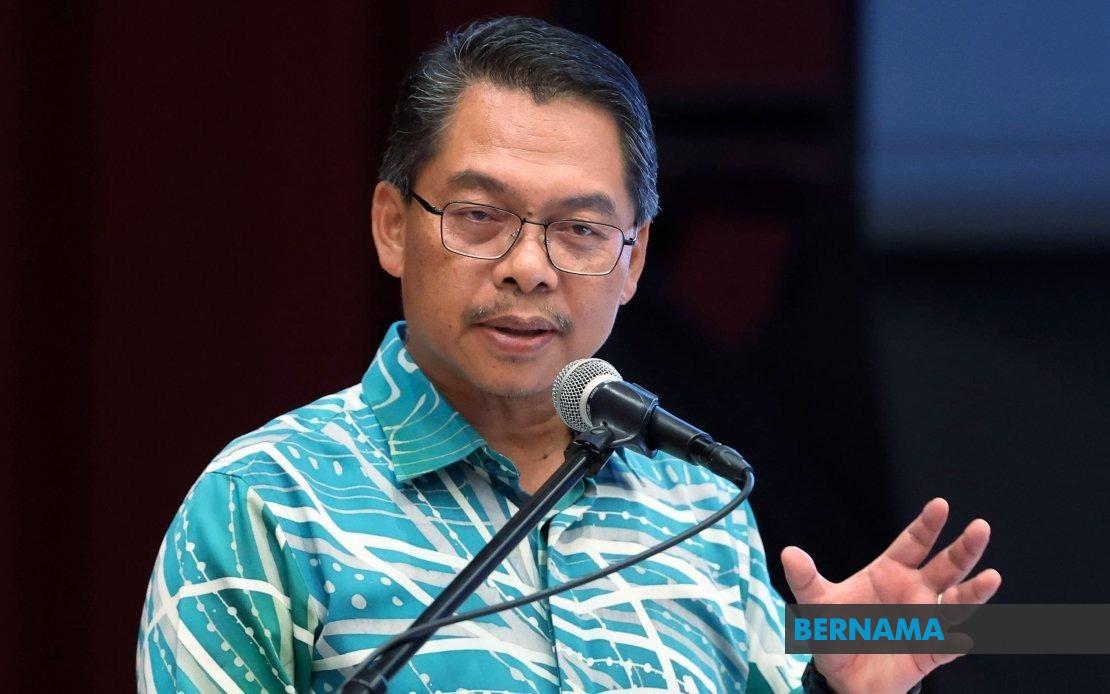
Sabah PKR Leadership Council chairman Datuk Mustapha Sakmud, who holds the ministerial position of Minister in the Prime Minister's Department (Sabah and Sarawak Affairs), characterised the gathering as emblematic of the strong institutional bonds and cooperative framework established between Kuala Lumpur and Kota Kinabalu. He articulated that this partnership transcends conventional political boundaries, extending into comprehensive areas of governance and resource allocation affecting the daily lives of Sabahans. The statement carries weight given Mustapha's dual role in both state PKR structures and federal administrative machinery, positioning him as a key bridge-builder between different political camps.
Central to the Sabah-federal partnership is the shared commitment to channelling stability into tangible developmental outcomes. Mustapha outlined the government's priorities as encompassing economic opportunities, infrastructure improvements, and solutions addressing issues that directly impact Sabah's population. This framing shifts the political conversation from abstract partisan competition towards results-oriented governance that residents can evaluate empirically. For Sabah, whose development metrics historically lagged peninsular counterparts, such pledges gain particular salience in an era when voters increasingly judge leaders by delivery capacity.
The MADANI Government's responsibility to implement national development programmes with regional sensitivity formed another cornerstone of Mustapha's remarks. His emphasis on inclusive and equitable development that respects each region's distinctive characteristics and needs indicates recognition that a one-size-fits-all approach fails to address Sabah's geographic, demographic, and institutional peculiarities. This represents a conceptual advancement in Malaysian federalism discourse, acknowledging that effective governance requires tailored solutions adapted to local contexts rather than uniform policy application across diverse states.
A particularly significant dimension of the cooperation relates to the Malaysia Agreement 1963 (MA63), which established the constitutional basis for Sabah and Sarawak's entry into the Malaysian federation. Mustapha reiterated PKR's commitment to champion the implementation of MA63 within a federal framework that preserves the state's special constitutional status and autonomy. This issue remains politically potent in Sabah, where historical grievances about inadequate resource distribution and federal encroachment on state prerogatives persist. The federal government's explicit acknowledgement of MA63's importance signals responsiveness to these enduring concerns and could help rebuild confidence in the federal compact among East Malaysian constituencies.
The delegation of GRS representatives at the congress was notably substantial, including Deputy Chief Minister I Datuk Seri Dr Joachim Gunsalam, Sabah Rural Development Minister Datuk Rubin Balang, Sabah Youth, Sports Development and Creative Economy Minister Datuk Nizam Abu Bakar Titingan, Sabah Education, Science and Technology Minister Datuk James Ratib, GRS deputy secretary-general Datuk Mohd Razali Mohd Razi, and Balung assemblyman Syed Ahmad Syed Abas. The inclusion of multiple state ministers and the party's deputy secretary-general underscores that attendance represented organisational commitment rather than ceremonial gesture. This breadth of participation suggests GRS leadership views association with the federal government's development agenda as politically advantageous within the state context.
Mustapha's characterisation of the congress attendance as evidence that political differences should not impede collaboration on Sabahan interests articulates a sophisticated political philosophy. Rather than demanding partisan alignment as a prerequisite for cooperation, this approach permits GRS and PKR to maintain distinct organisational identities while pursuing shared objectives on matters affecting Sabah's welfare. Such pragmatism potentially offers a template for Malaysian federalism where diverse political actors cooperate selectively on issues transcending party lines without surrendering organisational independence or ideological distinctiveness.
For Malaysian observers, the Sabah leadership's proactive engagement with PKR's national congress reflects broader strategic calculations about Sabah's position within the federation. The state has historically leveraged political positioning to extract federal commitments on development funding and constitutional recognition. The GRS-PKR rapprochement suggests Sabah leadership has calculated that cooperative engagement with the current federal administration yields more tangible returns than oppositional posturing. This calculation may partly reflect satisfaction with federal responsiveness on particular issues, though sustained benefits will require consistent delivery on development promises.
The timing of the congress attendance, well into the current administration's tenure, indicates that Sabah's political actors have assessed the stability of the federal government and determined it sufficiently durable to warrant investment in institutionalised cooperation. This judgment has implications for Malaysian politics more broadly, as Sabah's cooperation with the federal government could discourage opportunistic defections that historically characterised East Malaysian politics during moments of perceived federal weakness. Conversely, if federal promises on development and MA63 implementation remain unfulfilled, Sabah could serve as a pivot point for shifting the nation's political balance.
The congress theme, 'Memugar Reformasi, Membina MADANI,' signals PKR's effort to connect its reformist credentials with the government's development agenda. For Sabah leaders attending, it provided opportunity to visibly endorse both reformist principles and concrete governance delivery. This symbolic alignment may resonate with Sabah voters increasingly concerned about fundamental governance improvements rather than abstract political contestation. The event thus served multiple constituencies simultaneously: PKR's grassroots supporters, federal government stakeholders, and Sabah's development-focused electorate.
Moving forward, the trajectory of Sabah-federal relations will likely depend on whether this cooperation translates into measurable improvements in state infrastructure, service delivery, and economic opportunity. The goodwill generated by high-profile political engagement can quickly dissipate if ordinary Sabahans perceive continued neglect of their material conditions. Federal officials and GRS leaders therefore face pressure to convert political gestures into policy outcomes that justify the collaborative framework and maintain popular credibility for cooperative approaches to governance.

