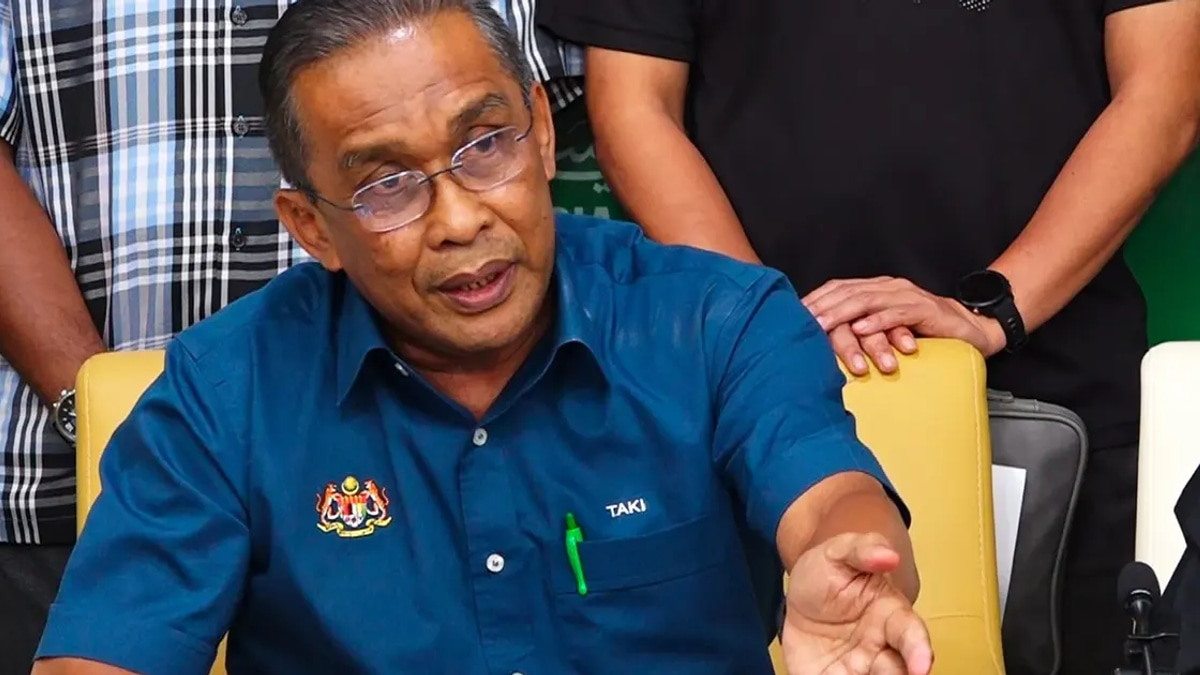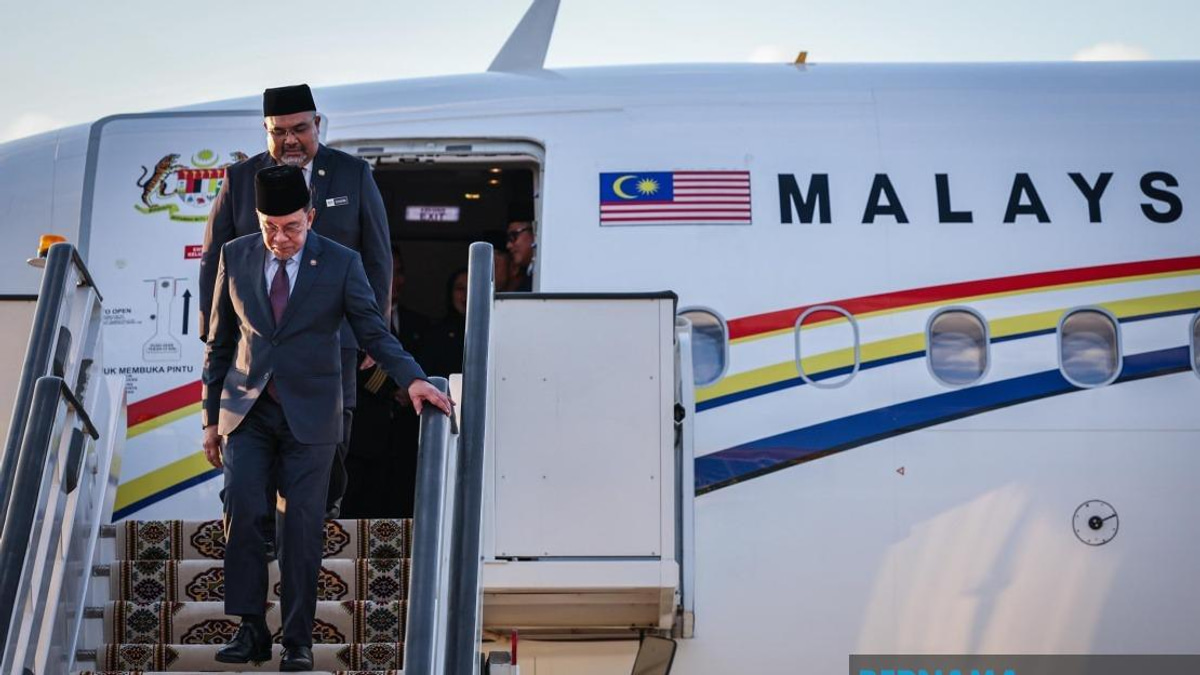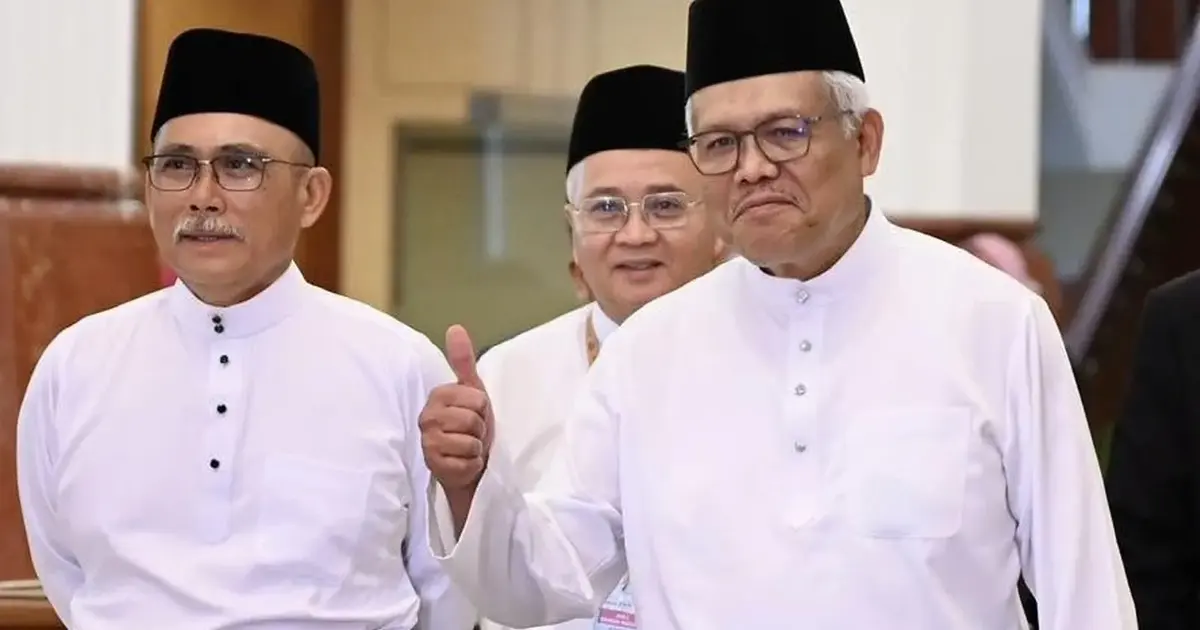
Hamzah Zainuddin, the Larut MP, has been formally named as opposition leader following a consolidation of parliamentary support that unites two significant political blocs, according to a statement from Kiandee. The suspended Bersatu vice-president's explanation provides insight into the political manoeuvre that resulted in the leadership appointment, highlighting the coordinated backing needed to establish such a position in Malaysia's fractured political landscape.
Kiandee's assertion that the Larut MP secured the collective endorsement of PAS legislators demonstrates the strategic alignment between two major opposition-aligned groupings. The Pan-Malaysian Islamic Party's unified support for Hamzah signals a consolidation of conservative and Islamist-oriented parliamentary forces, a development with significant implications for opposition positioning against the federal government. Such bloc voting represents a substantial shift in how opposition strength can be mobilised and aggregated within Parliament.
The backing of a majority of Bersatu MPs further underscores the breadth of Hamzah's support within the Mahathir-founded party. Bersatu's parliamentary contingent has historically been fragmented across competing leadership factions, making majority support from the party's MPs a noteworthy achievement. This suggests that despite Hamzah's previous role and profile, he has managed to appeal across internal party divisions to secure dominant backing within the Bersatu caucus.
The appointment carries particular significance given Malaysia's recent political volatility. Since the collapse of the Pakatan Harapan government in 2020, opposition formations have repeatedly struggled with cohesion and unified leadership. The naming of an opposition leader typically requires not merely the largest single bloc but demonstrable majority support across constituent parties, a threshold that previous opposition configurations have failed to achieve. Hamzah's appointment therefore represents a rare moment of consolidated opposition structure.
Kiandee's public confirmation of the support arrangement serves multiple purposes within opposition politics. By articulating the basis for Hamzah's selection—explicit PAS bloc endorsement combined with Bersatu majority backing—the suspended vice-president legitimises the appointment against potential internal challengers or dissenters. In Malaysian parliamentary tradition, the formal articulation of support coalitions carries weight in establishing the democratic legitimacy of leadership positions.
The political calculation underlying this consolidation reflects broader strategic considerations. PAS has increasingly positioned itself as a pragmatic counterweight to DAP-dominated opposition structures, particularly following its experience in the previous Pakatan Harapan arrangement. By directing its parliamentary strength toward Hamzah, PAS simultaneously reinforces its independent standing within opposition ranks whilst securing a leadership role in shaping opposition policy and positioning. For Bersatu, majority backing of Hamzah may represent an attempt to restore party relevance after internal conflicts weakened its parliamentary standing.
The implications for Malaysian governance are substantial. A cohesive opposition with unified leadership enhances Parliament's capacity for scrutiny and debate, traditionally an important check on executive power. However, the consolidation primarily involves PAS and Bersatu, notable for their conservative orientation on religious and social issues. This composition may limit opposition effectiveness on certain policy domains where DAP and other progressive parties traditionally provide counterweight perspectives. The absence of visible coordination with the Democratic Action Party suggests potential fragmentation of opposition voices despite the Hamzah leadership framework.
For Southeast Asian observers, Malaysia's opposition dynamics reflect broader regional patterns of political realignment. The concentration of Islamic-oriented parties (PAS and elements of Bersatu) around a singular leadership figure mirrors similar movements across the region toward more ideologically cohesive political formations. The Hamzah appointment exemplifies how religious and cultural conservatism can serve as a unifying force in plural democracies experiencing fragmentation.
The timing of Kiandee's statement merits consideration. As a suspended Bersatu vice-president, his public articulation of party support for Hamzah carries particular weight despite his diminished official status. His intervention suggests that even sidelined party figures retain sufficient standing to influence or publicly validate major political developments. This speaks to the informal networks and residual authority that persist within Malaysian political parties beyond formal hierarchical structures.
Looking forward, Hamzah's tenure as opposition leader will be tested by the demands of coordinating across PAS and Bersatu interests whilst maintaining parliamentary effectiveness. The leader must navigate theological and economic policy differences between his supporting blocs whilst addressing expectations from ordinary Malaysians for robust parliamentary opposition. The consolidation achieved through his appointment remains potentially fragile, dependent on continued alignment between parties whose historical relationship has been marked by both cooperation and rivalry.
The appointment ultimately reflects Malaysian opposition politics' evolution toward more strategic, calculated bloc formation rather than the broader multi-party coalitions that characterised earlier democratic periods. Whether this narrower consolidation strengthens or weakens opposition capacity to challenge government policy remains a critical question for Malaysia's democratic trajectory in coming parliamentary sessions.