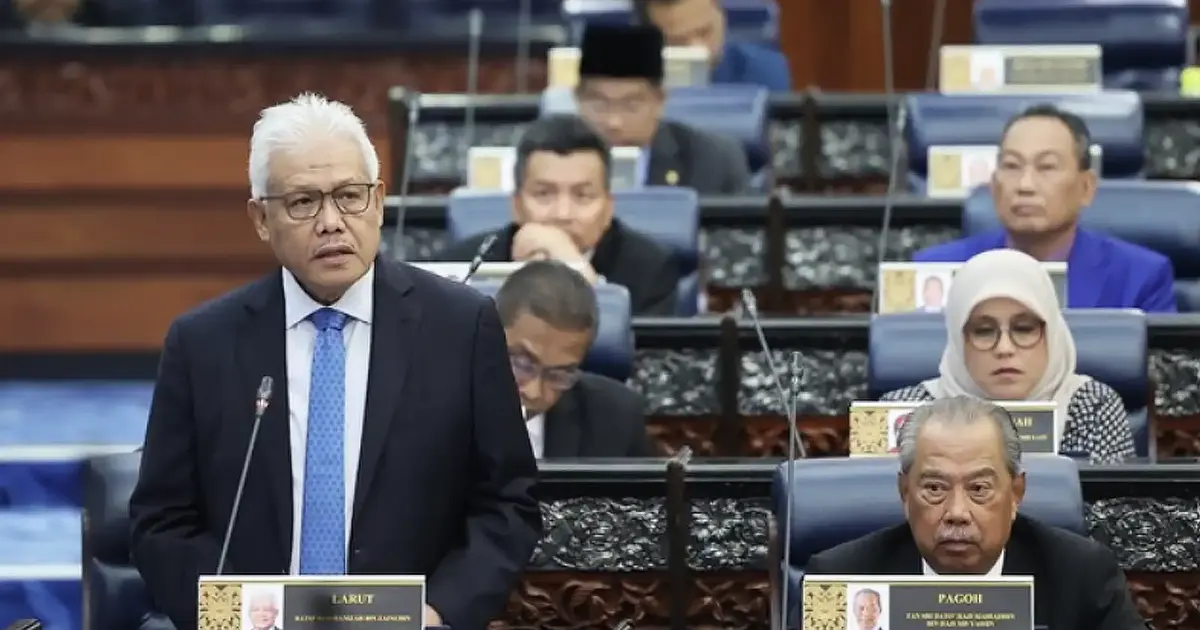
Parliamentary seating arrangements have undergone a notable reshuffle, with Hamzah Zainudin resuming his position as the official opposition leader at the frontbench of the Dewan Rakyat. The change marks a significant adjustment in the visible hierarchy of Malaysia's political opposition, signalling evolving leadership dynamics within the broader alliance that has held the opposition's institutional role in Parliament.
Muhyiddin Yassin, who leads Bersatu—one of the key components of the opposition coalition—has been displaced from his former proximity to the opposition leader's seat. His relocation eight positions further down the front row represents a tangible demotion in terms of parliamentary visibility and seating precedence, a matter that carries symbolic weight in legislative chambers where physical positioning often mirrors political standing.
These kinds of procedural adjustments in parliamentary settings typically reflect underlying shifts in coalition dynamics or changes in formal leadership recognition. The Dewan Rakyat's seating arrangements are not arbitrary; they are carefully managed to reflect parliamentary standing and the relative importance assigned to different figures within recognised political groupings. The movement of a party president away from the senior frontbench position suggests either a reconceptualisation of his role within the opposition coalition or a formalisation of changes already occurring at the political level.
For Malaysian observers, such reshuffles carry implications beyond mere protocol. They often precede or confirm broader political developments, whether related to coalition negotiations, leadership challenges, or a recalibration of which figures hold sway within opposition structures. The prominence afforded to a politician's seating location in Parliament can influence media coverage, public perception of their authority, and their ability to dominate parliamentary discourse through questions and motions.
Hamzah Zainudin's return to the opposition leader's frontbench position reinforces his status as the primary point of contact between the parliamentary opposition and the government. As opposition leader, he holds responsibility for coordinating the response to government legislation, leading opposition questioning during parliamentary sessions, and serving as the public face of the coalition's parliamentary strategy. The repositioning effectively confirms or reconfirms this role's centrality within the opposition's institutional structure.
The timing and context of such arrangements also merit examination. Parliamentary seating adjustments may occur following the resolution of coalition disputes, the formalisation of new political alignments, or decisions by the leadership of recognized opposition groupings to redistribute frontbench positions. In Malaysia's political context, where coalitions can be fragile and subject to internal pressures, these kinds of visible changes sometimes signal that negotiations or realignments have reached a point where new arrangements can be publicly implemented.
For Bersatu, the repositioning of Muhyiddin away from the prime opposition frontbench position may indicate a recalibration of the party's role within the broader opposition coalition. While still retaining parliamentary representation and voice, the party's president would no longer occupy the most privileged seating position. This could reflect various possibilities: a diminished role in opposition coordination, a decision to focus on specific policy areas rather than general opposition leadership, or simply a recognition that other figures should hold the most visible parliamentary positions.
The opposition leader's seat itself carries considerable institutional weight in Malaysian Parliament. Holders of this position gain procedural advantages, including priority in raising questions, greater opportunity to directly challenge government ministers, and first opportunity to respond to major government statements. The frontbench placement amplifies these advantages, ensuring that the opposition leader remains visible and audible throughout parliamentary sessions. Return to this position thus represents a meaningful consolidation of authority.
Regional observers of Malaysian politics will note that such parliamentary manoeuvres frequently signal broader political movements beyond the immediate chamber. Opposition coalitions across Southeast Asia often face challenges in maintaining unity and coordinating strategy, and the redistribution of visible positions can either smooth or exacerbate existing tensions. In Malaysia's case, the movement of Bersatu's president away from the opposition leader's immediate vicinity may suggest that coalition leadership has found a working arrangement that accommodates different parties' needs and aspirations.
These procedural shifts also remind observers that opposition politics in Malaysia remains dynamic and subject to reconfiguration. While the opposition's role as a check on executive power remains constant, the internal distribution of positions, recognition, and authority within opposition ranks continues to evolve. The frontbench reshuffle thus represents a snapshot of where the opposition coalition stands at a particular moment, even as broader political negotiations and realignments continue away from the public gaze of parliamentary proceedings.
The practical effect of these changes extends to how ordinary Malaysians perceive their representatives and opposition leadership. Frontbench prominence translates into media coverage and public awareness, factors that influence not only parliamentary dynamics but also public confidence in opposition institutions. As the political landscape continues to shift, such visible markers of position and status within the parliamentary opposition will likely continue to reflect and sometimes precipitate broader changes in Malaysia's political alignment.