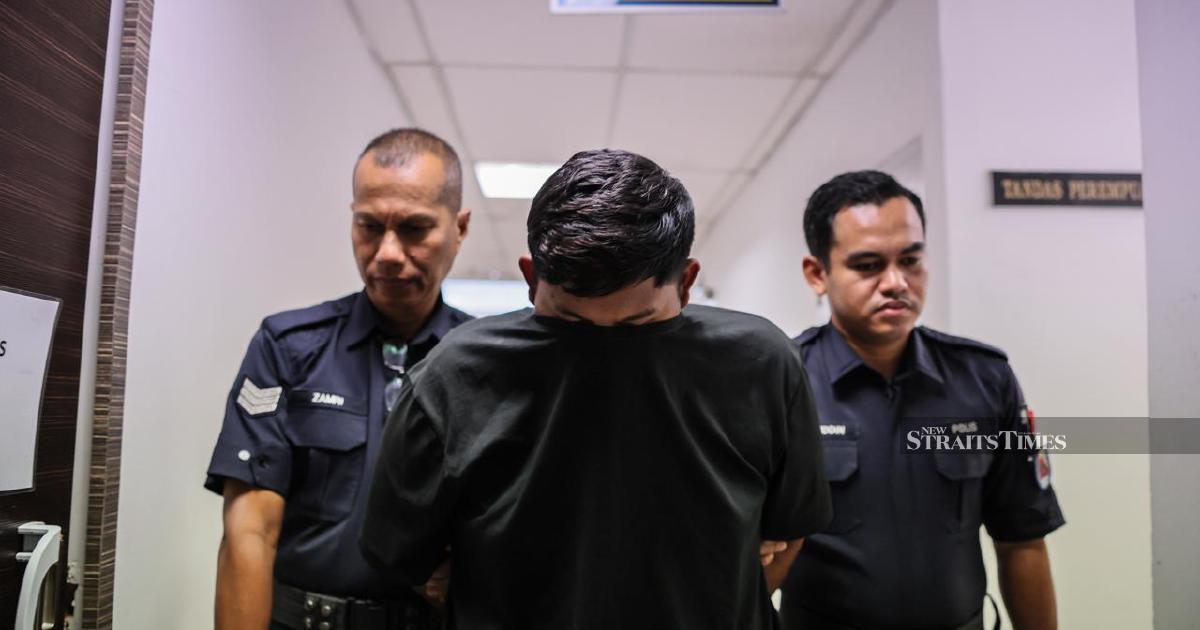
A 25-year-old hardware store employee appeared before the Sessions Court in Kuala Terengganu to face charges relating to the rape and sexual assault of his 16-year-old biological sister. The accused entered a plea of not guilty to the allegations, signalling his intention to contest the charges throughout the legal proceedings. The case represents one of the serious criminal matters now under examination within the Terengganu judicial system, where family-related offences continue to draw significant court attention.
The nature of the allegations underscores the deeply troubling reality of sexual violence occurring within domestic settings in Malaysia. Cases involving family members perpetrating sexual crimes remain among the most difficult prosecutions, combining complex evidentiary challenges with the emotional trauma inflicted on victims. The victim's age and family relationship to the accused compound the gravity of such allegations, as they involve a vulnerable minor and a fundamental breach of trust within the household structure.
The Sessions Court jurisdiction in Kuala Terengganu has become an important venue for handling serious criminal cases in the state. These courts handle indictable offences and play a crucial role in Malaysia's criminal justice system, particularly for cases exceeding the jurisdiction of lower-tier courts. The proceedings will likely involve detailed examination of evidence, witness testimony, and legal arguments regarding the nature and circumstances of the alleged offences.
Family-based sexual violence represents a persistent challenge across Southeast Asia, with Malaysia recording significant numbers of such cases annually. Many incidents go unreported due to shame, fear, and social stigma surrounding sexual assault within families. The willingness of authorities to prosecute and the victim's apparent willingness to pursue justice through the legal system suggest some progress in breaking the silence surrounding intrafamilial sexual crimes, though systemic barriers to reporting and prosecution remain considerable.
The accused's employment as a hardware store worker provides a snapshot of how perpetrators of sexual violence span across different socioeconomic backgrounds and employment sectors. These crimes are not confined to particular social classes or professional categories, a reality that challenges stereotypes and emphasises the pervasive nature of sexual violence in Malaysian society. The case also highlights how perpetrators often occupy positions of trust or authority within victim's lives, whether familial or occupational.
The legal process ahead will require the prosecution to establish its case beyond reasonable doubt, meeting the stringent evidentiary standards required in Malaysian criminal law. The defence has elected to contest the charges, which means both parties will present their arguments during trial. The court's examination of evidence will be critical in determining the facts of the matter and whether charges have been substantiated appropriately.
For victims of sexual assault, particularly minors navigating the legal system, the court process can prove lengthy and emotionally demanding. Support mechanisms for victims during prosecution remain an important consideration, though Malaysia has made strides in establishing victim advocacy and counselling services. The role of the victim support system becomes particularly sensitive in cases involving teenage survivors and family members as perpetrators, where psychological wellbeing throughout proceedings is paramount.
The Kuala Terengganu Sessions Court's handling of this matter reflects broader efforts within Malaysia's judiciary to address sexual violence with appropriate seriousness. Courts across the country have become increasingly vigilant in prosecuting such cases, recognising the damaging long-term consequences for survivors and the necessity of accountability within legal frameworks. The outcome of this proceeding may establish or reinforce precedents affecting how similar cases are treated within the state's judicial system.
For Malaysian society more broadly, cases of intrafamilial sexual violence raise critical questions about family structures, child protection, and the effectiveness of reporting mechanisms. Non-governmental organisations and support services have increasingly advocated for stronger victim protection measures and more responsive law enforcement approaches. The prosecution of such cases represents one component of a comprehensive response needed to address sexual violence at systemic levels.
The proceedings are expected to continue through various stages, including pre-trial matters, evidence examination, and potentially trial, depending on how the accused proceeds. Malaysian criminal procedure provides safeguards for both the accused and the victim throughout this process. The outcome of this case will be significant not only for the individuals directly involved but for broader conversations about accountability and justice in Malaysia's response to sexual violence.

