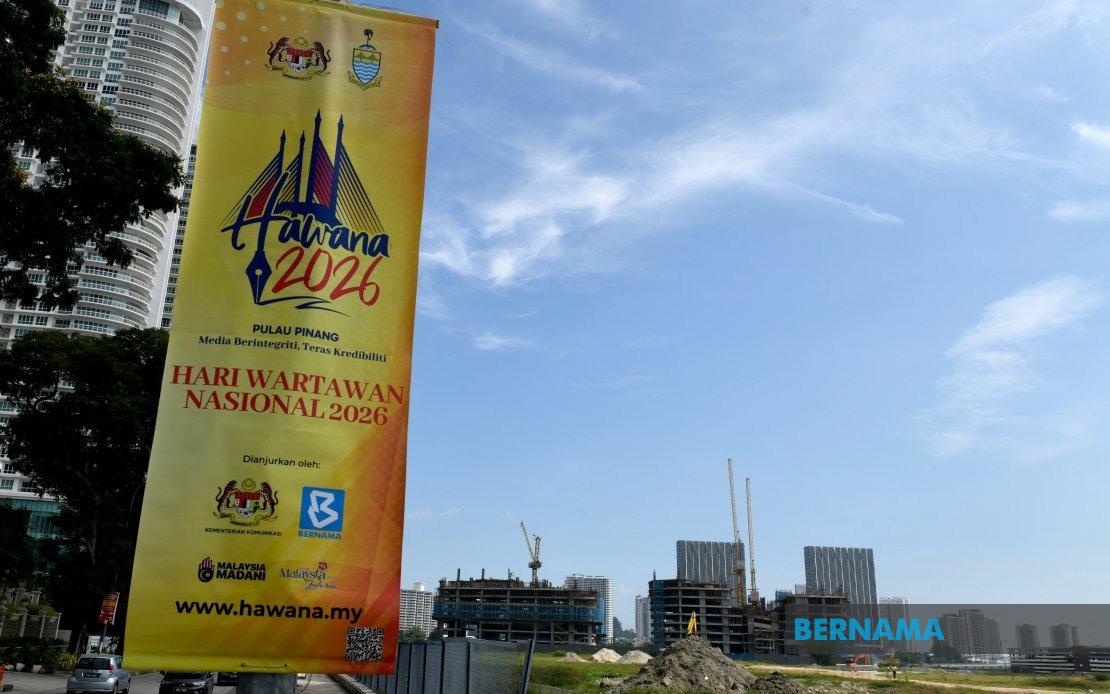
Penang is preparing to leverage its selection as the debut host of HAWANA 2026 to catalyse economic growth and amplify its standing as a premier regional destination. The three-day national celebration of Malaysian journalism, anchored by the main ceremony on June 20 at the PICCA Convention Centre @ Butterworth Arena, will convene roughly 1,000 media professionals from across Malaysia and the broader ASEAN region, according to State Tourism and Creative Economy Committee chairman Wong Hon Wai. This confluence of journalists and content creators promises substantial promotional value and renewed international attention for the state's tourism and creative sectors.
Wong highlighted that Penang's appointment as host validates both the state's logistical capacity to execute large-scale international gatherings and its magnetic appeal to visitors. The event, themed "Media Integrity Strengthens Credibility" and organised by the Ministry of Communications through news agency Bernama, represents a strategic opportunity to showcase what the state positions as its core attractions: layered cultural traditions, celebrated culinary diversity, established tourism infrastructure, and an increasingly vibrant creative ecosystem. By assembling regional journalists in a single venue, organisers expect to generate sustained positive coverage that extends far beyond the event itself, reinforcing Penang's competitive advantages relative to other Malaysian tourism hotspots.
The economic calculus underpinning the event is straightforward. Wong noted that hotels across Seberang Perai, designated as the primary accommodation hub, are already reporting strong advance bookings, signalling operator confidence in visitor volume. The influx of thousands of attendees and accompanying media personnel is forecast to generate revenue across multiple hospitality and service sectors—hotels, restaurants and food outlets, transport providers, retail establishments, and heritage and attraction venues. These multiplier effects characterise major events held in destination cities globally, and Penang appears positioned to capture this windfall during the June 19-21 window.
Beyond the headline ceremony, a parallel three-day carnival branded RIUH Pi HAWANA will operate at the same convention centre, targeting approximately 30,000 members of the general public. This accessibility strategy broadens the event's footprint beyond professional journalism circles to encompass ordinary consumers and creative entrepreneurs. The carnival will feature over two dozen local creative enterprises and two dozen food businesses, alongside sixteen live musical performances showcasing regional talents including acts such as Exists, Bunkface, Masdo, Sakura Band, Budak Nakal Hujung Simpang, and Chelsea Ng. Admission is free, a deliberate choice to maximise participation and exposure for participating vendors and performers.
Wong articulated a vision of media as indispensable to destination marketing and creative economy development. In his assessment, journalists functioning as reliable information intermediaries help build consumer confidence in tourism products, introduce regional audiences to local attractions, and propagate narratives that position destinations competitively. Within the creative sectors specifically, media coverage of visual arts, design, music, and cultural innovation amplifies reach, validates local talent, and facilitates economic opportunity. By positioning journalists as collaborative partners rather than external observers, Penang's administration signals receptiveness to aligned messaging around the state's development trajectory.
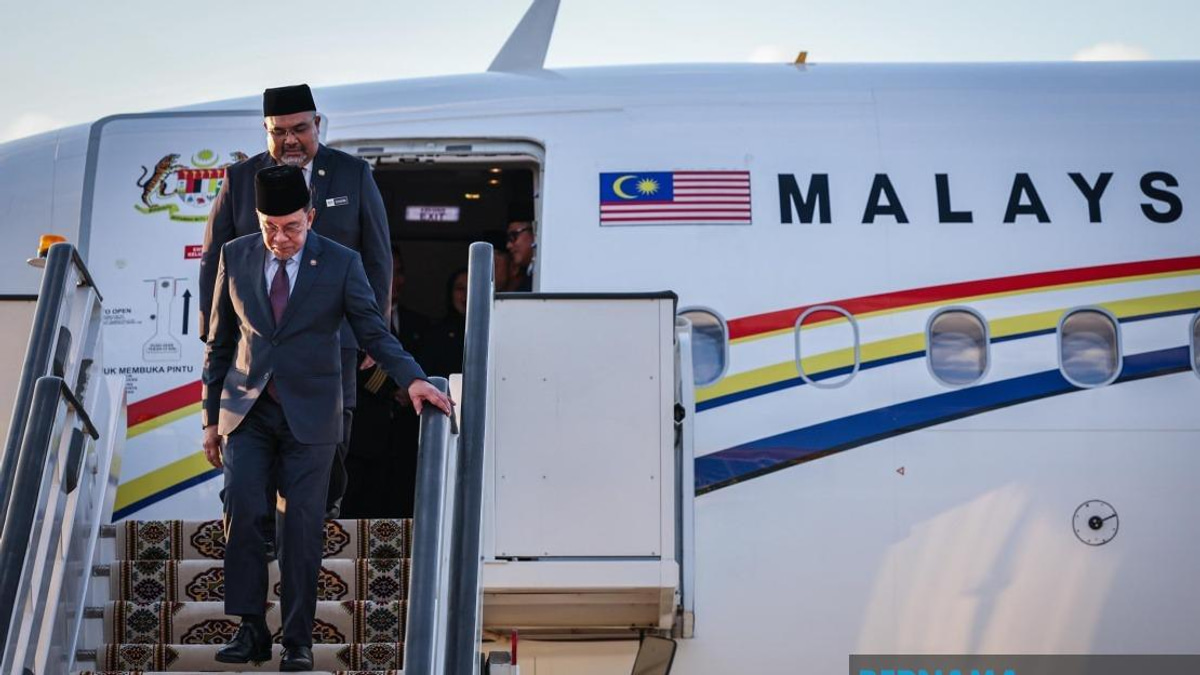
The presence of Prime Minister Datuk Seri Anwar Ibrahim as the official ceremony inaugurator confers political weight and national significance upon the gathering. His attendance underscores federal alignment with regional economic diversification efforts and media sector development, lending symbolic authority to narratives around Penang's tourism and creative credentials. Such high-profile endorsement typically translates into enhanced media pickup and public visibility, multiplying the event's publicity yield beyond what coverage would otherwise achieve.
For Malaysian readers and regional observers, HAWANA 2026's Penang staging reflects broader competition among Southeast Asian destinations to differentiate themselves through cultural authenticity and creative sector investment. Penang has positioned itself as a heritage-centric destination balancing historical preservation with contemporary creative industries, contrasting with competitors emphasising beach resorts or shopping infrastructure. By anchoring the national journalists' celebration to this positioning, the state amplifies its distinctive brand narrative across professional media networks simultaneously.
The event also illuminates how state governments instrumentalise media gatherings to advance tourism agendas. By hosting journalists in a destination rather than maintaining a purely transactional relationship, Penang creates extended exposure and familiarity among influential communicators. Journalists attending often generate feature coverage, social media content, and professional network discussions long after the event concludes, extending the promotional window far beyond the ceremonial dates. This strategy has proven effective globally for destination marketing organisations seeking cost-effective amplification of their value propositions.
For Penang's creative entrepreneurs, the carnival component offers direct consumer engagement and visibility opportunities increasingly valued as complementary to digital marketing. Local brands and performers gain media presence alongside established regional acts, creating hierarchical mixing that benefits emerging creators through association with recognised talent. Food vendors and artisans similarly benefit from concentrated foot traffic and curated atmosphere, potentially catalysing repeat visits and long-term customer relationships.
The economic ripple effects extend to transport operators, retail establishments in proximity to the convention centre, and accommodation businesses across greater Penang. Event-related tourism generates secondary spending through unplanned shopping, dining, and attraction visitation as visitors extend stays or explore neighbourhoods adjacent to primary venues. These unbudgeted expenditures frequently represent a significant proportion of total event economic impact, accruing to small businesses and informal sector operators often overlooked in impact assessments.
Regionally, HAWANA 2026 contributes to Malaysia's competitive positioning within Southeast Asian tourism markets by demonstrating the country's capacity to host prestigious international media gatherings. Neighbouring destinations observing Penang's execution may experience heightened competitive pressure to develop similar professional convening capabilities, potentially spurring broader regional investment in conference infrastructure and destination marketing sophistication.
The event ultimately reflects how mid-sized Asian destinations increasingly recognise that strategic media engagement, combined with authentic cultural and creative assets, can generate sustainable tourism revenue and international profile elevation. Penang's selection as debut HAWANA host positions the state within this emerging paradigm, leveraging journalistic networks to amplify narratives around heritage, gastronomy, and creative innovation that resonate with contemporary global audiences seeking experiential and culturally substantive travel.