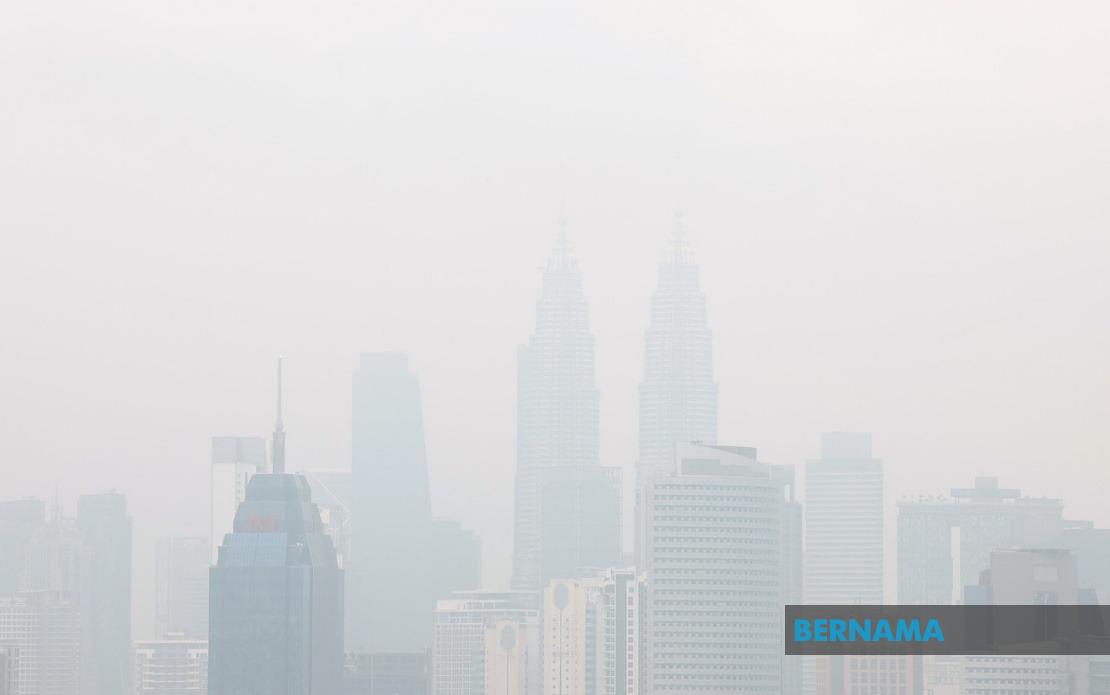
Malaysia's Youth and Sports Minister Dr Mohammed Taufiq Johari has reassured the nation that worsening haze conditions will not derail preparations for the upcoming Aichi-Nagoya 2026 Asian Games, set to run from September 19 to October 3. Speaking in Sungai Petani on August 29, the minister stressed that comprehensive measures have been put in place to sustain athlete development while prioritising their physical wellbeing during this challenging period of air pollution.
The minister's comments come as Southeast Asia grapples with recurring transboundary haze, a perennial challenge that has historically disrupted sporting activities and public health across the region. This year's worsening conditions have prompted alarm among various stakeholders, including sports organisations concerned about whether training schedules could be maintained. However, Dr Taufiq indicated that Malaysia's sports establishment had anticipated such challenges and had developed contingency protocols well in advance.
At a recent Cabinet meeting, air quality emerged as a significant concern, yet officials determined that monitoring systems would form the backbone of adaptive management strategies. The minister explained that rather than halting preparations outright, the approach would involve dynamic adjustments to how and where athletes train. This nuanced strategy reflects growing sophistication in how Malaysia manages the tension between maintaining competitive readiness and safeguarding athlete health—a balance that became particularly critical following heat-related illness concerns at recent regional sporting events.
Central to the revised training framework is a substantial shift toward indoor facilities. The National Sports Institute (ISN), Malaysia's premier athletic development organisation, has been consulted extensively to ensure that indoor training environments can adequately replicate the demands athletes will face in Japan. Dr Taufiq noted that outdoor sessions would be progressively curtailed, with corresponding increases in time spent at indoor stadiums, halls, and specially equipped training centres. This transition assumes that Malaysia possesses sufficient indoor infrastructure—a reasonable assumption given the country's investment in sports facilities over the past decade, yet one that will face practical tests as demand for indoor space intensifies across multiple sports.
The implications of this shift warrant deeper consideration. While indoor training can maintain cardiovascular conditioning and technical skill development, certain sports present unique challenges. Outdoor endurance athletes, particularly those in distance running and race-walking events that feature prominently at Asian Games competitions, may struggle to replicate authentic competitive conditions in artificial environments. Altitude simulation chambers and treadmill training offer partial solutions but cannot entirely substitute for outdoor preparation. The effectiveness of this approach will ultimately be measured by medal performance and athlete feedback post-Games.
The haze crisis also highlights Malaysia's broader vulnerability to environmental factors beyond national control. Transboundary air pollution, driven partly by agricultural practices in neighbouring countries, has become a recurring feature of the Southeast Asian sporting calendar. Unlike doping or equipment failures, haze represents an external threat that no amount of technological innovation can entirely eliminate. This reality underscores the need for long-term regional cooperation on environmental management—a challenge that extends well beyond sports policy into diplomatic and trade relations among ASEAN nations.
Beyond the athletic dimension, Dr Taufiq's comments reflect government commitment to maintaining Malaysia's competitive standing at the continental level. The Asian Games represent a showcase for national pride and soft power, with medal counts serving as proxies for developmental achievement and organisational capacity. Any significant disruption to preparation could translate into reduced medal prospects, with political ramifications for the sports ministry and broader questions about Malaysia's ability to maintain its position as a regional sporting power.
The minister's announcement also emerged during a community engagement activity—a Merdeka motorcycle convoy in Sungai Petani that drew approximately 400 participants. The event, part of a broader 'Sungai Petani Tour with the Youth and Sports Minister' programme, traversed multiple constituencies and included stops for local engagement. This combination of policy announcement and grassroots outreach suggests a deliberate strategy to frame the haze challenge as manageable rather than catastrophic, reassuring both the sporting community and the general public that government has matters well in hand.
The minister's emphasis on consultation with the ISN and coordinated Cabinet-level monitoring signals institutional depth in Malaysia's response architecture. Rather than ad hoc crisis management, the approach suggests pre-planned escalation protocols and inter-agency coordination mechanisms. Whether these systems prove adequate will depend on haze severity intensity in coming weeks. Should air quality deteriorate beyond current projections, the protocols may require further refinement or acceleration.
Looking ahead, the success of Malaysia's Asian Games campaign will depend substantially on how effectively these adaptive strategies perform during the critical final weeks before competition. Athletes will need confidence that their modified training regimens have adequately prepared them for international competition, while coaches and administrators must maintain morale despite environmental uncertainties. The Aichi-Nagoya Games thus become not merely a sporting event but a test case for Malaysia's capacity to navigate environmental challenges while preserving competitive excellence—a capacity increasingly essential in an era of climate volatility and regional environmental interdependence.

