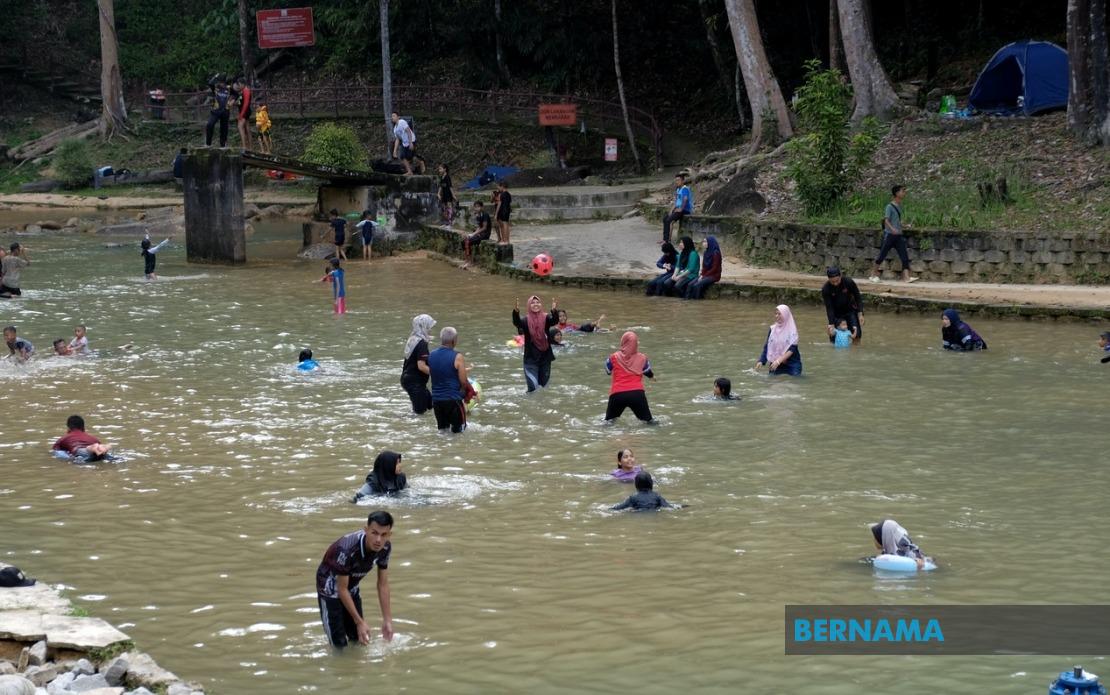
The Pahang State Health Department has launched a formal investigation into claims that multiple visitors to a riverside recreation area in the Bentong vicinity experienced acute gastroenteritis symptoms following bathing activities. The reported illnesses included diarrhoea, vomiting, and fever, raising concerns about water quality and sanitation standards at the popular destination.
In response to the allegations, JKNP conducted an initial risk assessment of the affected area. According to official statements released by the department, surveillance systems monitoring foodborne illness and acute gastroenteritis across Pahang have not detected any unusual spike in cases or formal notifications of a disease outbreak. This preliminary finding suggests that if an incident did occur, it may have affected only a limited number of individuals rather than triggering a widespread health crisis.
To establish whether contamination was present in the water source, health authorities collected raw water samples from multiple points along Sungai Benus in Janda Baik on June 14. These samples are undergoing microbiological analysis at accredited laboratories to identify any disease-causing pathogens or harmful bacteria. The results from this testing will be crucial in determining whether environmental factors contributed to the reported illnesses and whether additional public health measures are needed.
As of the department's latest statement, no confirmed cases of acute gastroenteritis have been definitively linked to the recreation site incident. This distinction is important because unconfirmed reports of illness do not necessarily indicate an outbreak, particularly when individuals may have contracted illness from multiple sources. However, the absence of confirmed cases does not diminish the need for thorough investigation, as early detection can prevent further spread if contamination is discovered.
The health department has implemented a multi-pronged response strategy to protect public health and identify the source of contamination if it exists. Active case detection is ongoing, meaning health workers are proactively reaching out to individuals who reported symptoms to confirm diagnoses and gather epidemiological data. Simultaneously, investigators are conducting detailed interviews with affected persons to identify common exposures, contact patterns, and potential sources of infection. Environmental risk assessments are examining sanitation infrastructure, water supply systems, and waste management practices at the recreation site and surrounding areas.
In a concerning pattern for popular river destinations across Malaysia, waterborne disease transmission at recreational sites has emerged as a recurrent public health concern. Many such locations operate with minimal regulatory oversight, and facilities may lack adequate sewage treatment or water quality monitoring. The Bentong incident highlights the vulnerability of informal recreation areas where visitor numbers can exceed infrastructure capacity, potentially compromising sanitation and water safety. This is particularly relevant for Pahang, where river-based tourism and local recreation are culturally significant and economically important.
Parallel to disease surveillance activities, JKNP has strengthened monitoring at government and private health facilities in the surrounding Bentong region to detect emerging clusters of gastroenteritis cases with potential links to the river site. This enhanced surveillance creates a sensitive early warning system that can identify patterns invisible to routine monitoring. Collaboration with neighbouring districts ensures that cases presenting at distant facilities are not overlooked, since ill individuals may seek treatment away from their point of exposure.
The department is also coordinating with multiple agencies to assess water quality across Sungai Benus and identify potential pollution sources. This interagency approach is essential because river contamination typically stems from upstream activities including unsewered settlements, agricultural runoff, or industrial discharge. Identifying and remediating such sources requires authority beyond the health sector, necessitating involvement from environmental protection, local government, and water management agencies.
Operators of recreational facilities and accommodation providers in the area have been reminded of their legal and ethical obligations to maintain facilities according to public health standards. This includes ensuring adequate sanitation facilities, providing clean drinking water, maintaining functional sewage systems, and conducting regular maintenance and inspections. Compliance with these requirements is fundamental to preventing not only acute gastroenteritis but also other waterborne diseases including typhoid fever and hepatitis A, which pose significant risks at poorly maintained recreation sites.
The Ministry of Health has urged the public to avoid speculation about the incident, emphasising that unverified claims can generate unnecessary alarm and undermine public confidence in health authorities' investigative processes. Individuals who develop symptoms consistent with acute gastroenteritis, including diarrhoea, vomiting, abdominal pain, or fever following river recreation, are advised to consult healthcare providers promptly. Early medical attention not only ensures appropriate treatment but also enables health authorities to capture accurate epidemiological information.
For Malaysian travellers and residents who frequent river recreation sites, this incident underscores the importance of assessing sanitation conditions before using such facilities. Signs of poor maintenance, inadequate toilet facilities, visible pollution, or unusual water discolouration should prompt avoidance. In the broader Southeast Asian context, waterborne illness remains a significant health risk, particularly during monsoon seasons when water quality deterioration is common.
The investigation outcome will provide valuable insights into water quality management at Bentong's recreation infrastructure and may inform broader policy discussions about regulation and oversight of informal tourism and recreation sites throughout Pahang and Malaysia. Should contamination be confirmed, remedial actions could serve as a case study for other communities managing similar facilities. The department has committed to releasing findings and further updates as laboratory results become available and epidemiological investigations conclude.