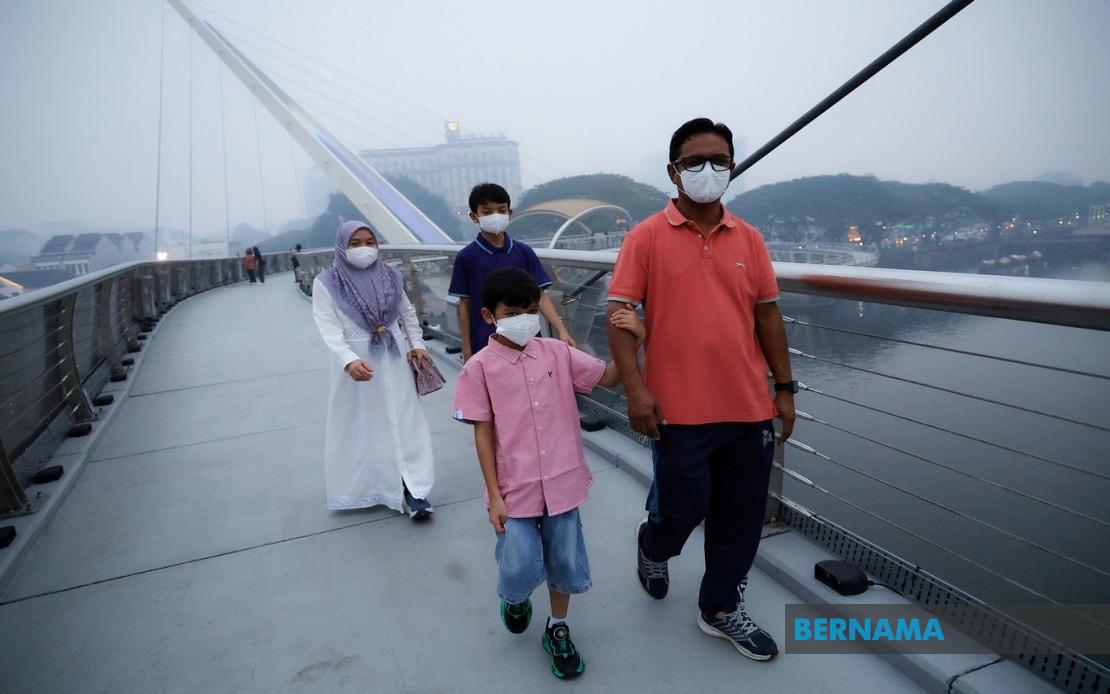
Health experts across Malaysia are calling for greater public vigilance in monitoring air quality conditions and implementing preventive health measures as haze episodes continue to pose significant risks to respiratory health and overall wellbeing. The advisory comes as air pollution levels have prompted increased cases of respiratory and eye-related illnesses, underscoring the importance of proactive rather than reactive responses to seasonal air quality degradation.
Dr Anas Ahmad Jamhari, a lecturer at Universiti Sultan Zainal Abidin's Faculty of Health Sciences, emphasizes that residents should develop the habit of checking daily Air Pollutant Index readings released by the Department of Environment before planning outdoor activities, particularly when indices climb above the 100 mark which signals unhealthy conditions. This simple yet critical step serves as a crucial decision-making tool for determining which activities can safely proceed and which should be postponed or relocated indoors.
For those whose work or essential commitments require outdoor exposure during elevated pollution episodes, proper use of protective equipment becomes paramount. Dr Anas stresses that N95 masks represent the most suitable option for extended outdoor work, but only when fitted correctly and sealed tightly against the face to effectively filter fine particulate matter measuring 2.5 micrometres or smaller. The effectiveness of such protective gear diminishes substantially when masks sit loosely, are frequently removed, become wet or damaged, or are worn over facial hair that compromises the seal—a common oversight that significantly reduces protection levels.
Children face particular vulnerability when using standard adult-sized masks, as improper fit prevents the formation of adequate seals necessary for filtration, rendering the protective equipment largely ineffective. This demographic consideration highlights how haze preparedness strategies must be tailored to different age groups and physical circumstances rather than applying blanket approaches across populations with varying needs and vulnerabilities.
Dr Anas further advises the public to eliminate unnecessary outdoor physical exertion during poor air quality days, as vigorous exercise substantially increases breathing rates and causes individuals to inhale larger volumes of contaminated air. Running, cycling, and competitive sports during haze episodes effectively concentrate exposure to fine particles directly into the respiratory tract, accelerating the entry of harmful substances into the lungs. He notes with concern that many Malaysians continue engaging in these activities even when air quality indices indicate unhealthy conditions, thereby amplifying their risk of developing both immediate acute health effects and longer-term chronic respiratory complications.
Indoor management strategies deserve equal attention during haze periods. Dr Anas recommends maintaining sealed doors and windows to prevent outdoor pollutants from infiltrating homes while simultaneously eliminating internal pollution sources. These internal hazards include cigarette and vape smoke, incense and candle burning, and cooking activities that generate substantial smoke volumes. Vehicle occupants should ensure that air-conditioning systems are configured to recirculate interior air rather than drawing fresh air from the polluted outdoor environment, providing an additional layer of protection during unavoidable travel.
The scientific understanding of haze extends beyond simple visibility reduction to encompass the complex mixture of particulate and chemical constituents within the air. Fine PM2.5 particles warrant particular concern due to their minuscule size, which allows deep penetration into the lung tissue where they would otherwise be filtered out. Once lodged in the respiratory system, these particles initiate oxidative stress responses within lung cells, triggering inflammatory cascades that can damage cellular structures and compromise respiratory function—effects that may persist long after the visible haze has cleared.
Datuk Dr Zainal Ariffin Omar, a specialist in public health medicine, introduces a crucial additional dimension by highlighting the interaction between air quality and meteorological conditions. During haze episodes, the concurrent presence of elevated temperatures and humidity creates compound health risks that extend beyond respiratory concerns. High temperatures combined with poor air quality substantially increase dehydration risk and potentially precipitate heatstroke, particularly among vulnerable populations including the elderly and those with chronic health conditions. He characterizes this situation during El Niño phenomena as presenting a dual threat requiring comprehensive mitigation strategies addressing both air quality and thermal stress simultaneously rather than focusing narrowly on API readings alone.
Public perception of haze as merely a seasonal phenomenon contributes to cyclical underpreparedness, as individuals and households revert to normal routines between episodes and consequently lack sustained readiness when air quality deteriorates again. Dr Zainal advocates for continuous strengthening of public awareness campaigns that deliver simple, accessible information capable of penetrating diverse demographic and educational backgrounds, thereby encouraging proactive health measures before API levels reach crisis thresholds rather than waiting for visible symptoms or severe conditions to trigger behavioral change.
Recent surveillance data from the Health Ministry underscore the tangible health toll of haze episodes. Asthma cases recorded at sentinel health facilities escalated dramatically to 1,811 cases during Epidemiological Week 34, representing more than an eightfold surge from 219 cases the previous week. Conjunctivitis diagnoses similarly demonstrated substantial increases, rising from 146 to 720 cases during the identical period. These epidemiological shifts provide quantifiable evidence of the direct pathogenic impact of degraded air quality on population health, validating the urgency of expert recommendations for preventive action.
The convergence of expert medical advice, epidemiological evidence, and environmental monitoring data creates a compelling case for elevated public engagement with air quality information and sustained implementation of protective practices. Success in mitigating haze-related health impacts requires moving beyond episodic reactive responses toward embedded protective behaviors that integrate API monitoring, appropriate mask usage, activity modification, and indoor environmental controls into regular decision-making routines. For Malaysia's diverse population, developing this culture of air quality awareness represents an essential adaptation to recurring transboundary pollution episodes that show no signs of permanent resolution.

