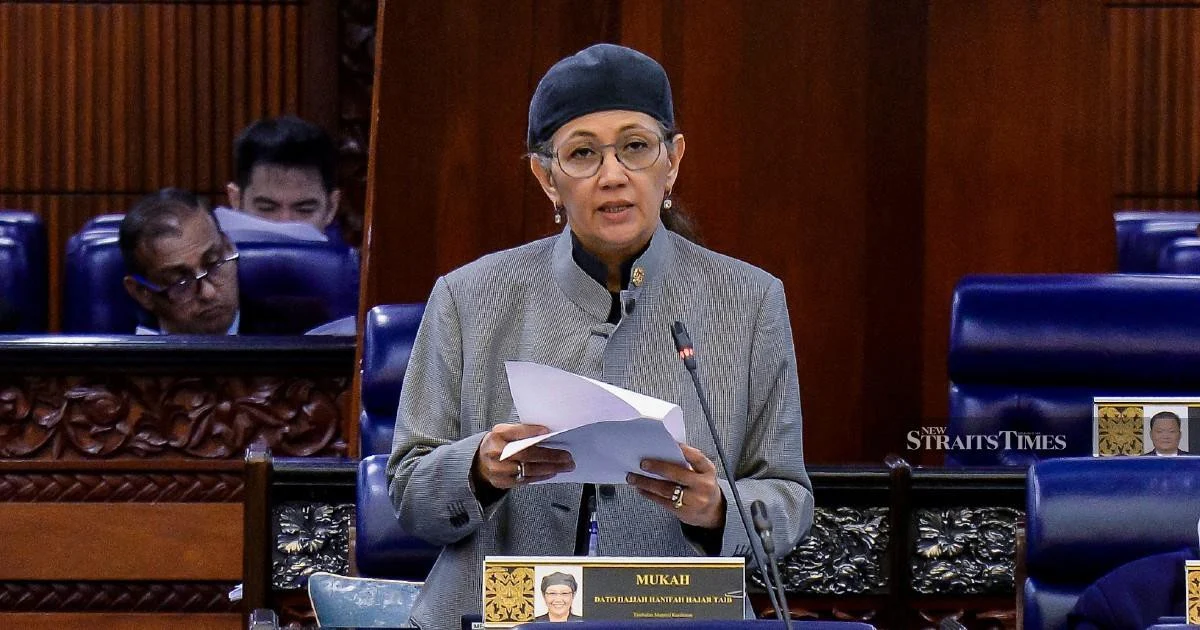
The Malaysian Health Ministry has announced the establishment of a dedicated investigative committee tasked with examining allegations of improper conduct by its medical personnel in relation to the Taiping Prison riot that took place in January of the preceding year. The formation of this committee represents an official acknowledgment of concerns raised regarding the involvement or actions of Health Ministry medical officers during the incident, signalling the government's commitment to scrutinising potential professional lapses within its healthcare workforce.
The Taiping Prison riot, which erupted in January, marked a significant security incident requiring intervention from multiple government agencies and personnel. In the aftermath of the disturbance, questions emerged regarding the conduct and conduct standards upheld by medical staff who were present or involved in responding to the situation. These allegations, though initially confined to internal discussions and informal channels, have now escalated to warrant formal ministerial investigation.
The decision to establish a specialised committee underscores the Health Ministry's recognition that allegations of professional misconduct require systematic and independent examination rather than routine administrative handling. Such investigative mechanisms typically comprise officials with relevant expertise in healthcare administration, ethics, and personnel conduct, alongside external representatives to ensure impartiality and public confidence in the process.
For Malaysian readers, this development carries broader implications regarding institutional accountability and the standards expected of public sector medical professionals. Healthcare workers, whether deployed in mainstream hospitals or in specialised settings such as correctional facilities, operate within strict ethical frameworks and professional codes. Any deviation from these standards can undermine public trust in the Health Ministry's capacity to maintain discipline and integrity across its workforce.
The involvement of medical officers in a prison riot scenario presents unique complications, as such environments involve complex intersections between healthcare provision, security protocols, and humanitarian concerns. Medical personnel serving in correctional facilities must balance their obligation to provide healthcare while maintaining institutional security protocols. When allegations of misconduct surface in such contexts, they warrant careful investigation to determine whether professional boundaries were breached or whether medical staff acted within appropriate parameters while responding to an emergency situation.
Regionally, Malaysian prison systems and healthcare delivery in correctional environments have attracted scrutiny from human rights organisations and international bodies. Allegations regarding medical officer conduct in such settings resonate beyond domestic concerns, potentially affecting Malaysia's reputation for institutional governance and human rights compliance in Southeast Asia. The Health Ministry's proactive establishment of this committee may be partly responsive to such external pressures and expectations.
The committee's investigation will likely examine whether medical officers adhered to established protocols during the riot, whether they provided appropriate medical care to detainees and staff, and whether any actions they took deviated from professional standards or legal requirements. The scope of inquiry may also extend to whether medical documentation was accurate and whether any individual officers may have been complicit in activities that compromised the integrity of the healthcare function in that environment.
Institutional accountability mechanisms such as this committee serve multiple functions within Malaysia's governance framework. They demonstrate to the public that allegations are taken seriously, they provide an avenue for legitimate complaints to be formally addressed, and they help identify systemic weaknesses that may require policy adjustments or additional training. The outcome of this investigation could influence how the Health Ministry structures medical services in correctional facilities moving forward.
For medical professionals employed in Malaysian correctional facilities, this investigation sends a signal that their conduct is subject to scrutiny and that institutional protection does not extend to individuals who breach professional standards. Simultaneously, the investigation provides an opportunity for legitimate practitioners to have their actions vindicated if allegations prove unfounded, which is equally important for maintaining morale and confidence within the healthcare workforce.
The timeline and methodology of the committee's investigation remain unclear from available information, but such processes typically involve reviewing documentation, conducting interviews with relevant personnel, and examining medical records and incident reports. The committee will need to balance thoroughness with timeliness, ensuring that the investigation is sufficiently comprehensive while delivering findings within a reasonable period.
Ultimately, this investigative process reflects evolving expectations around institutional transparency and professional accountability in Malaysia. The Health Ministry's willingness to establish a special committee rather than absorb allegations quietly suggests a shift towards more open institutional governance, though the actual findings and subsequent actions taken will determine whether this transparency translates into meaningful systemic reform and maintained public confidence in healthcare professionals serving in Malaysia's correctional system.

