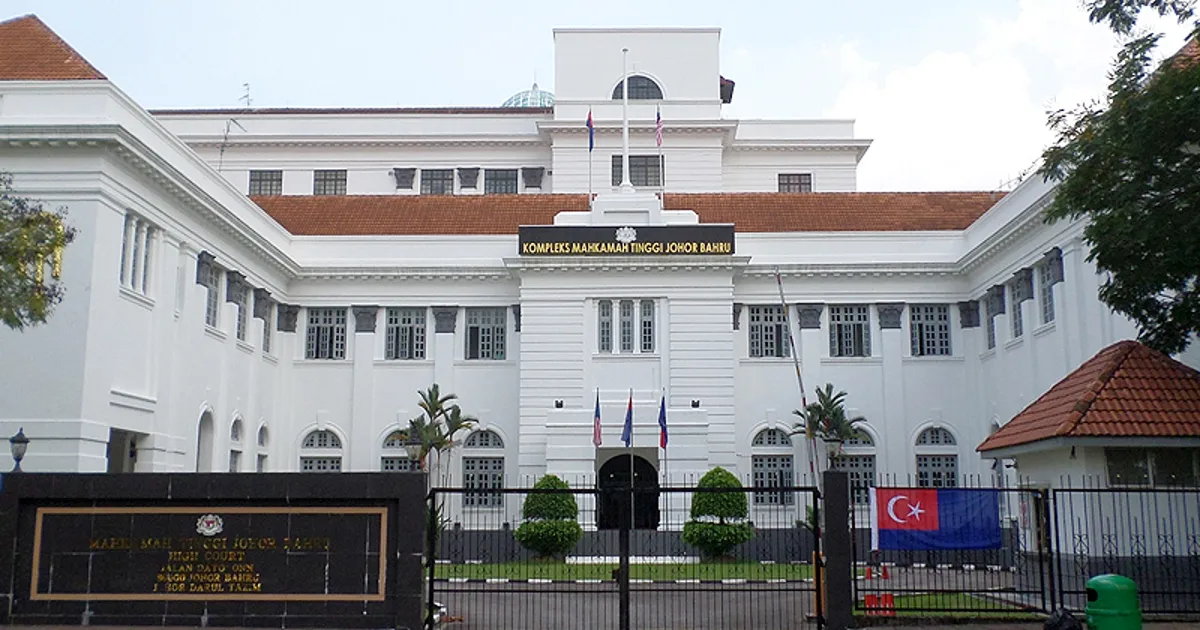
An instructor employed at a government training institute has been acquitted of sexual assault charges after a High Court judge found that the police investigation into the matter was inadequate and fell significantly below acceptable standards of criminal inquiry. The court's decision highlights ongoing concerns about investigative practices within Malaysia's law enforcement system and raises fresh questions about the quality and rigour of sexual assault investigations at the local level.
The court's judgment represents a rebuke of the investigative procedures followed in the case. Rather than simply accepting the police's findings or charging decisions as routine procedural matters, the judge took the unusual step of explicitly criticising the investigative methodology employed. The description that the investigation fell "markedly short" of proper investigative standards suggests systematic failings rather than isolated oversights, indicating deficiencies in how evidence was gathered, witnesses were interviewed, or the overall case was developed by investigating officers.
This judicial criticism carries particular significance in the Malaysian context, where public confidence in the integrity of police investigations has periodically come under scrutiny. When high courts publicly censure investigative standards, it sends a message to law enforcement agencies about the baseline expectations for their work and the serious consequences when those standards are not met. For the accused instructor, the acquittal vindicates their legal position, but the case serves a broader cautionary purpose within the criminal justice system.
The dismissal of charges raises important questions about how sexual assault allegations are handled from the investigative stage through to prosecution. While sexual assault remains a serious crime that demands thorough investigation and prosecution where evidence warrants it, the corollary principle is equally important: allegations must be investigated with rigour and fairness to protect both complainants and the accused. A sloppy investigation that generates reasonable doubt about the reliability of evidence serves no one—not genuine victims, not the justice system, and certainly not innocent accused persons.
For government training institutes and similar institutions across Malaysia, the case underscores the need for clear internal complaint mechanisms and institutional oversight when allegations arise. Such establishments have a responsibility to manage allegations professionally while avoiding any appearance of protecting staff members who may have committed genuine misconduct. At the same time, they must ensure that unsubstantiated accusations do not irreparably damage the careers and reputations of innocent employees without due process.
The court's finding that investigative procedures were deficient does not automatically imply that the original allegation was false or malicious. Rather, it demonstrates that the case as built was insufficient to support a conviction beyond reasonable doubt. This distinction matters significantly. Complainants in sexual assault cases often face considerable obstacles in seeking justice, and systemic failures in investigation can compound their difficulties. Strengthening investigative capacity and training thus serves the interests of both justice-seekers and the accused.
Police forces across Southeast Asia, including Malaysia, have in recent years undertaken initiatives to improve training in sensitive investigations, particularly those involving sexual offences and vulnerable witnesses. Such training programmes emphasize proper evidence collection, interview techniques that do not contaminate testimony, and understanding of trauma-informed approaches to complainants. When courts identify investigative shortcomings, they provide evidence that these training initiatives remain necessary and that implementation must be taken seriously.
The judgment also has implications for how prosecutors assess cases referred to them by police. Where investigative work is inadequate, prosecutors face a choice: return the case for further investigation, proceed despite weaknesses and risk acquittal, or decline prosecution. In this instance, the case proceeded to trial where the judicial system ultimately corrected the course. However, this reactive approach places considerable burden on courts and creates inefficiency within the criminal justice system.
For the instructor's professional future, while acquittal clears the legal record, the ordeal of investigation and prosecution may have lasting impacts on career prospects and personal wellbeing. Employers and professional bodies will need to consider how to facilitate rehabilitation of reputation for individuals acquitted of serious charges. This dimension of justice—restoration—remains underdeveloped in many Southeast Asian legal systems but is increasingly recognized as important for social cohesion and rule of law.
The decision signals that Malaysian courts take their scrutiny role seriously, at least in instances where investigative work is manifestly deficient. Going forward, the case may serve as a reference point in other trials where investigative competence is questioned, potentially elevating expectations across the force. For police leadership, the judgment represents an opportunity to review training and supervision practices, identify where gaps exist, and reinforce institutional commitment to proper investigative conduct.
Ultimately, the acquittal and the court's criticism serve a salutary function within the broader Malaysian legal landscape. While protecting the innocent from wrongful conviction remains paramount, the case illustrates that the machinery of justice is capable of catching serious investigative failings and preventing their consequences from becoming permanent. That said, the ideal would be for investigations to meet proper standards initially, sparing all parties—complainants, accused, and the system itself—the substantial costs of inadequate preliminary work.

