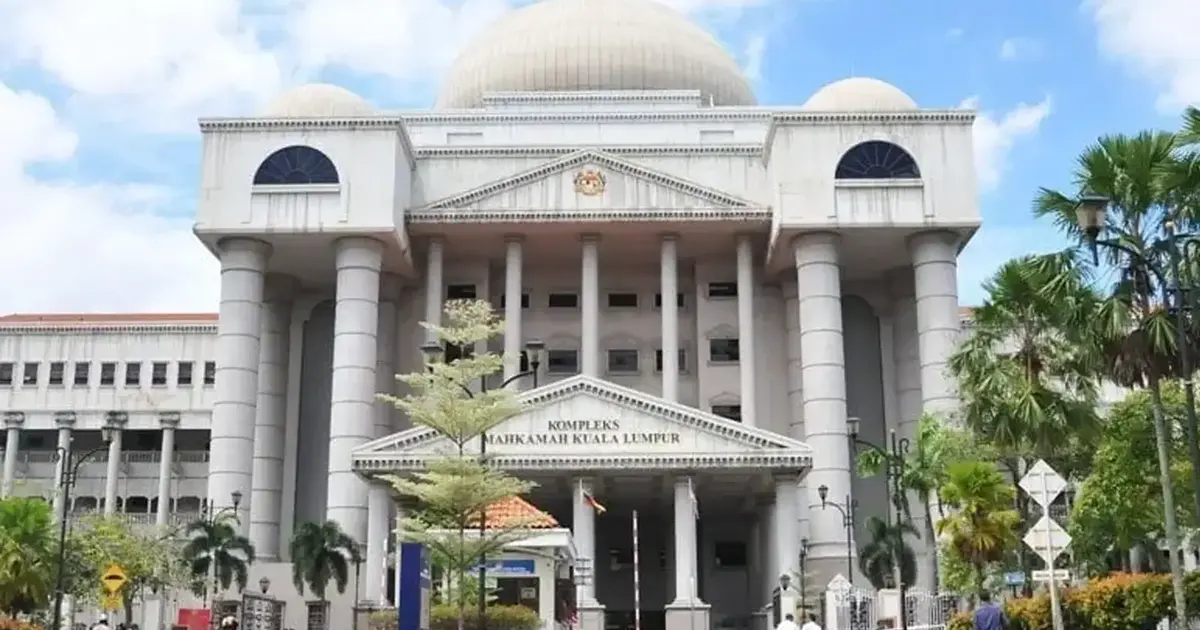
Malaysia's High Court has issued a domestic Mareva injunction ordering the freeze of over RM14 million in assets controlled by the East West group, a significant development in commercial litigation that underscores judicial vigilance over corporate accountability in the resource-extraction sector. The freeze represents a protective measure designed to preserve company assets within Malaysian jurisdiction, ensuring that if the plaintiffs prevail in their civil action, sufficient funds remain available to satisfy any eventual judgment award.
A Mareva injunction is an extraordinary legal remedy rarely granted in isolation, requiring courts to demonstrate that there exists a substantial risk of asset dissipation or removal beyond Malaysian borders without such intervention. The High Court's decision to grant this injunction indicates that judicial officers found compelling evidence the East West group posed such a risk, justifying the freezing of funds before trial proceedings conclude. This type of order reflects broader concerns within Malaysia's commercial courts about preserving the integrity of the civil justice system when defendants possess international commercial networks.
The East West group operates within Malaysia's oil palm industry, a sector that remains central to the nation's economic interests despite mounting environmental and social scrutiny. The group's operations span multiple jurisdictions, which likely influenced the court's determination that the Mareva injunction was necessary to prevent cross-border asset transfers. The precise nature of the investors' civil claims against the conglomerate remains subject to court confidentiality rules, though such disputes in the oil palm sector frequently involve contractual disagreements, joint venture complications, or investment performance failures.
For Malaysian investors and foreign stakeholders with exposure to oil palm ventures, this ruling provides reassurance that domestic courts can intervene to prevent fraudulent asset dissipation strategies. However, it also highlights the competitive pressures within resource industries, where rapid asset movements and complex corporate structures can obscure beneficial ownership and financial accountability. The East West group's situation demonstrates how investors increasingly rely on court-ordered asset freezes to protect their positions when disputes escalate beyond negotiation and mediation.
The injunction's domestic scope means it applies specifically to assets located within Malaysia, which the court identified as exceeding RM14 million in aggregate value. This figure likely encompasses cash holdings, property interests, equipment, or other identifiable assets subject to court jurisdiction. International assets held by the East West group beyond Malaysia's borders would fall outside the scope of this particular order, though investors may pursue separate legal action in other jurisdictions if warranted. The limitation underscores the practical challenges of enforcing asset freezes across multiple countries lacking reciprocal legal frameworks.
From a procedural standpoint, the High Court's decision required the judge to balance competing considerations: the investors' legitimate interest in protecting their potential judgment against the East West group's right to operate its business and utilise its assets. Malaysian courts have progressively modernised their approach to Mareva injunctions, recognising that contemporary commercial disputes frequently involve multinational entities and cross-border transactions. Nevertheless, such orders remain discretionary and demand clear evidence of necessity rather than mere suspicion of wrongdoing.
The ruling carries implications for Malaysia's reputation as a jurisdiction for resolving commercial disputes. Foreign investors monitoring this case will observe whether the High Court's protective measures ultimately facilitate fair resolution or whether they represent preliminary steps toward broader corporate restructuring. The court's willingness to intervene proactively signals that Malaysia's judicial system takes investor protection seriously, potentially attracting parties to pursue Malaysian litigation rather than seeking alternative forums.
For the East West group, the asset freeze presents operational constraints until the civil suit reaches conclusion. The conglomerate must petition the court for variation of the injunction if the freeze impedes legitimate business activities, requiring it to demonstrate that such operations do not threaten the investors' interests. This negotiating dynamic often encourages settlement discussions, as both parties recognise that prolonged litigation under asset-freezing conditions becomes economically burdensome.
The broader oil palm industry should note this precedent regarding judicial intervention in commercial disputes. As environmental and social campaigns intensify scrutiny of palm oil producers, and as investment structures grow increasingly complex, companies operating in this sector face elevated litigation risks. Courts may prove more inclined to deploy pre-judgment remedies when significant investor assets remain at stake and evidence suggests reasonable grounds for asset-dissipation concerns.
Regionally, this development reflects how Southeast Asian commercial courts are adapting to handle disputes involving multinational enterprises and investor protection concerns. Malaysia joins other regional jurisdictions in recognising that traditional litigation timelines inadequately protect creditors and investors facing sophisticated asset-concealment strategies. The Mareva injunction represents a judicial tool that, when properly deployed, can bridge the gap between early-stage commercial disagreements and final judgment awards.
Moving forward, both the East West group and the investors face months or potentially years of litigation before the civil suit concludes. The frozen assets will remain within Malaysian jurisdiction under court supervision, creating legal certainty that any judgment, if awarded, can be satisfied without requiring cross-border enforcement complications. For Malaysian commercial law, this case adds further precedent demonstrating when courts should intervene to preserve assets during pending litigation, particularly where international business structures present heightened dissipation risks.

