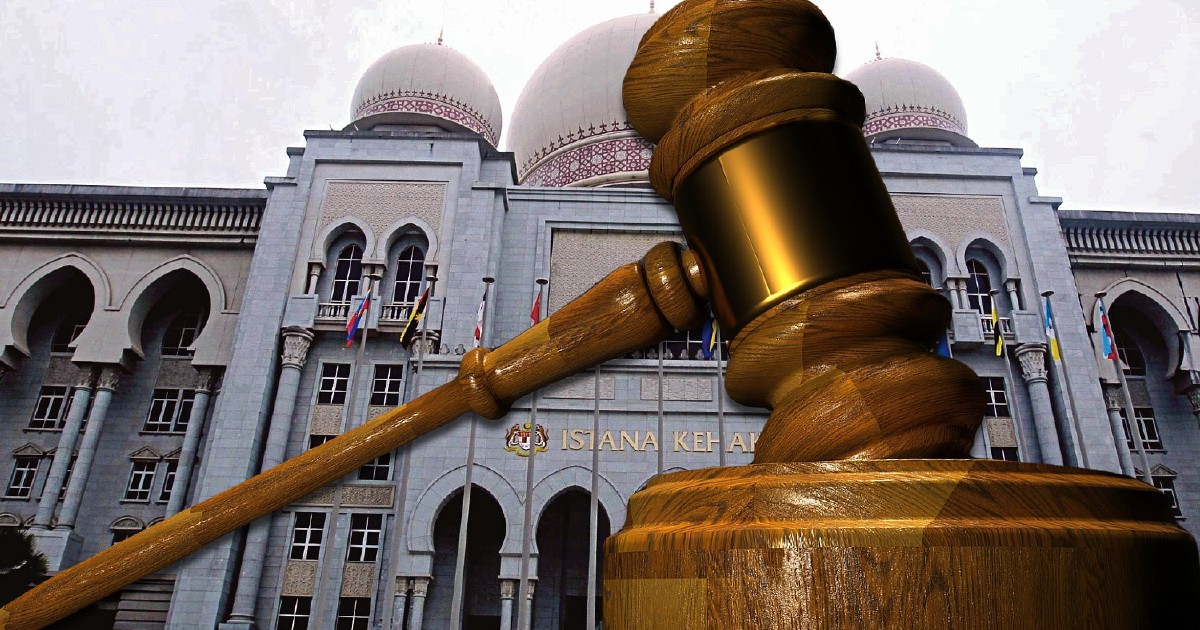
The High Court has scheduled a critical procedural hearing for September 21 to adjudicate on several threshold matters that Anwar Ibrahim's legal team has raised in connection with a civil sexual assault complaint. The case originates from allegations made by Muhammed Yusoff Rawther, who previously worked as a research assistant to the prominent political figure. The court's decision will establish whether these foundational issues must be settled independently or whether the full trial can proceed with them addressed alongside the substantive hearing of the case.
Preliminary issues in litigation serve as procedural gatekeepers designed to streamline court proceedings and prevent unnecessary expenditure of judicial resources. When courts determine that certain matters ought to be resolved before the main trial begins, they can substantially alter the trajectory and duration of litigation. In high-profile cases involving public figures, these procedural decisions often become as strategically significant as the substantive merits, as they shape how evidence will be presented and what legal frameworks will govern the trial itself.
The nature of the allegations—sexual assault—places this matter within a category of cases that Malaysian courts have increasingly subjected to careful scrutiny regarding procedural fairness and victim protection. Civil proceedings for sexual assault differ markedly from criminal cases, operating under different evidentiary standards and burden-of-proof requirements. The distinction between civil and criminal jurisdiction in such matters has become an important consideration in Malaysian jurisprudence, particularly given the heightened public interest that accompanies cases involving senior political personalities.
Rawther's decision to pursue a civil remedy rather than lodge a criminal complaint represents a significant strategic choice with profound implications for how the allegations will be tested. Civil suits allow plaintiffs to recover damages and establish liability through the balance of probabilities—a lower threshold than the criminal standard of proof beyond reasonable doubt. This procedural pathway has become increasingly common in cases where criminal prosecution may face evidentiary challenges or where complainants seek monetary compensation alongside acknowledgment of wrongdoing.
The preliminary issues that Anwar Ibrahim's legal representatives have raised remain confidential at this stage, typical of Malaysian court practice before formal adjudication. However, such preliminary objections commonly address jurisdictional questions, limitations periods for bringing claims, immunity defences available to the defendant, or procedural defects in how the case was initiated. The outcome of the September 21 hearing will establish whether these questions can be disposed of efficiently or whether they require full exploration through witness testimony and documentary evidence during trial.
This civil case emerges against the broader backdrop of Anwar Ibrahim's political history and his previous encounters with the Malaysian legal system. Over several decades, Anwar has been involved in numerous high-stakes court proceedings, some of which have significantly influenced Malaysian politics and governance. His current position makes this case particularly sensitive, as judicial decisions affecting him attract intense scrutiny from political observers, civil society organisations, and international commentators monitoring rule-of-law developments in Southeast Asia.
For Malaysian legal practitioners, the High Court's approach to managing preliminary issues in civil sexual assault cases carries precedential weight. Courts must balance the imperative to ensure fair trials with the recognition that preliminary proceedings themselves can become vehicles for tactical delay or suppression of legitimate claims. The September 21 hearing will provide clarity on how Malaysian courts are currently calibrating these competing considerations in an evolving legal landscape where sexual assault allegations are receiving increasingly serious treatment within civil litigation frameworks.
The timing of the hearing falls within a period of significant attention to how Malaysian institutions handle allegations against political elites. Public confidence in judicial processes depends substantially on perceptions that courts apply consistent principles regardless of the social status or political prominence of defendants. The High Court's management of procedural questions in this case will therefore carry implications extending beyond the immediate parties, influencing public understanding of how Malaysia's legal system addresses sensitive matters involving powerful individuals.
Rawther's legal team faces the dual challenge of advancing a complex civil claim while navigating procedural obstacles that Anwar Ibrahim's lawyers have constructed. The resources available to each party—reflected in the quality of legal representation and capacity to conduct extensive discovery and preparation—often determines how preliminary stages unfold. Preliminary issue proceedings can either clarify and simplify subsequent litigation or, conversely, become protracted battles over technical points that consume disproportionate judicial attention.
The September 21 date represents a crucial inflection point in what promises to be an extended legal process. Even after the High Court resolves preliminary issues, substantial trial work remains, involving factual determinations about what occurred between the parties, credibility assessments of witnesses, and application of relevant law to established facts. Given the gravity of allegations and prominence of the defendant, observers expect appellate engagement is likely at some stage, potentially extending the case's trajectory across several years of Malaysia's judicial system.
For Southeast Asian legal observers, this case exemplifies broader regional questions about how courts balance procedural efficiency with substantive justice in high-visibility litigation. Malaysia's approach to managing civil sexual assault claims—particularly those targeting politically significant defendants—will inform perceptions of whether the country's judiciary operates according to consistent principles or demonstrates susceptibility to political considerations. The High Court's September 21 ruling will constitute an important data point in ongoing assessments of judicial independence and rule-of-law integrity across the region.

