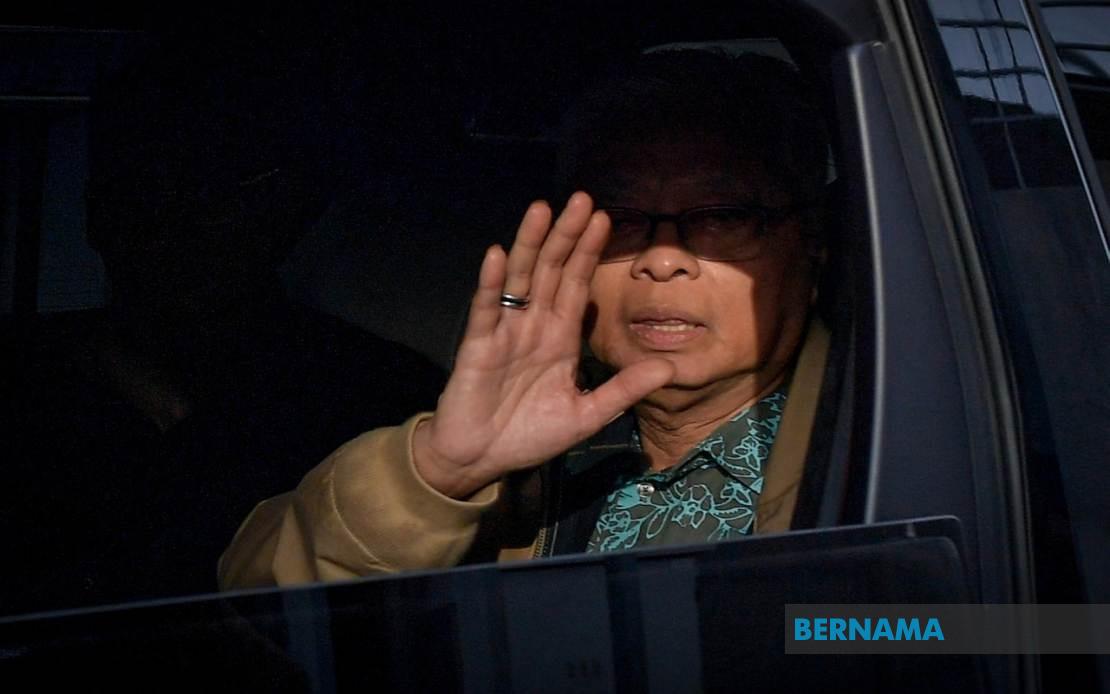
The High Court in Kuala Lumpur has affirmed the acquittal of blogger Jufazli Shi Ahmad on charges stemming from YouTube videos he posted in 2022 that were deemed offensive toward former Prime Minister Datuk Seri Ismail Sabri Yaakob and the UMNO party. Judge Datuk Aslam Zainuddin delivered the ruling after carefully reviewing the sessions court's prior judgment and arguments from both the defence and prosecution, determining that the lower court's decision to discharge and acquit the blogger should stand.
The case represents a significant moment in Malaysia's ongoing debate over digital speech and the boundaries of political commentary online. Jufazli faced two separate charges relating to content published through his 'King Maker Politik' YouTube channel in mid-2022, a period marked by considerable political turbulence following Ismail Sabri's tenure as prime minister. The charges carried substantial potential penalties, including fines reaching RM50,000 and imprisonment of up to one year for the communications offence, underscoring the seriousness with which authorities pursued the matter.
The first charge alleged that Jufazli created and transmitted offensive communications through his YouTube account on June 27, 2022, with the intent to annoy another person. According to court records, the video in question was accessed by police investigators at the Criminal Investigation Division office of Dang Wangi District Police Headquarters four days later, on July 1. The charge was framed under Section 233(1)(a) of the Communications and Multimedia Act 1998, a provision that has been invoked in numerous cases involving online political discourse and critical content.
The second charge related to Jufazli's refusal to provide authorities with the password to his YouTube account during a police interview on July 5, 2022. This obstruction charge, under Section 249 of the Communications and Multimedia Act, carried an even heavier potential sentence of up to two years imprisonment or a fine of RM100,000. The prosecution's pursuit of both charges suggested a determination to establish accountability not merely for the content itself, but for what authorities viewed as non-cooperation in their investigation.
The sessions court had already determined in October 2024 that the prosecution had failed to establish its case at the close of the prosecution's evidence, leading to the acquittal. This meant the blogger did not need to mount a full defence, as the court found insufficient grounds to proceed. The High Court's decision to uphold this acquittal represents a validation of that earlier judgment and effectively closes the door on the prosecution's attempt to reverse the outcome through appeal.
Deputy Public Prosecutor Mohamad Fadhly Mohd Zamry presented the government's appeal arguments, while Jufazli's legal interests were represented by lawyer Ramesh N.P. Chandran. The legal outcome will likely be studied by observers interested in how Malaysian courts are interpreting the Communications and Multimedia Act in cases involving political content and criticism of public figures. The decision suggests the judiciary requires substantial evidence of genuine harm or clear intent before upholding charges under the act.
The case occurs within a broader Southeast Asian context where governments increasingly use communications laws to address online political discourse. Malaysia's experience reflects tensions common across the region between managing social media activity and protecting freedom of expression. The acquittal signals that courts may be applying a more rigorous evidentiary standard when evaluating whether online political commentary crosses into legally actionable territory, particularly when the content targets political figures or parties rather than individuals in private capacities.
For Malaysian bloggers and content creators, the outcome provides some reassurance regarding their ability to publish critical political commentary online without facing prosecution. The decision demonstrates that simply being offensive or annoying is insufficient for conviction under the Communications and Multimedia Act—prosecutors must establish intent and demonstrate tangible harm or clear violation of the law's specific provisions. This interpretation aligns with principles of proportionality in democratic societies where political speech, even when caustic or inflammatory, receives considerable protection.
The case also highlights ongoing questions about police conduct and investigative procedures in digital crimes cases. The handling of Jufazli's account password, treated as a separate criminal matter, illustrates how authorities sometimes escalate charges when investigating online content, potentially using technical or procedural violations to strengthen their prosecutorial position. The court's dismissal of this additional charge suggests judicial skepticism toward such tactics.
This decision arrives during a period when Malaysian political discourse remains notably contentious, with UMNO and other major parties regularly featured in critical online commentary. The acquittal will likely embolden other content creators working in the political and current affairs space, though the case does not establish blanket immunity for all online political speech. Rather, it sets a threshold for what constitutes prosecutable conduct under the existing legal framework.
The High Court's affirmation of Jufazli's acquittal represents a vindication for his legal strategy and demonstrates the value of robust defence representation in communications law cases. For future prosecutions under the Communications and Multimedia Act, particularly those involving political content, the judgment suggests that courts will examine the evidence critically and require clear demonstration of harm or wrongdoing before convicting. The case concludes a legal journey that began in 2022 and took approximately two years to resolve through both sessions court and appellate proceedings.

