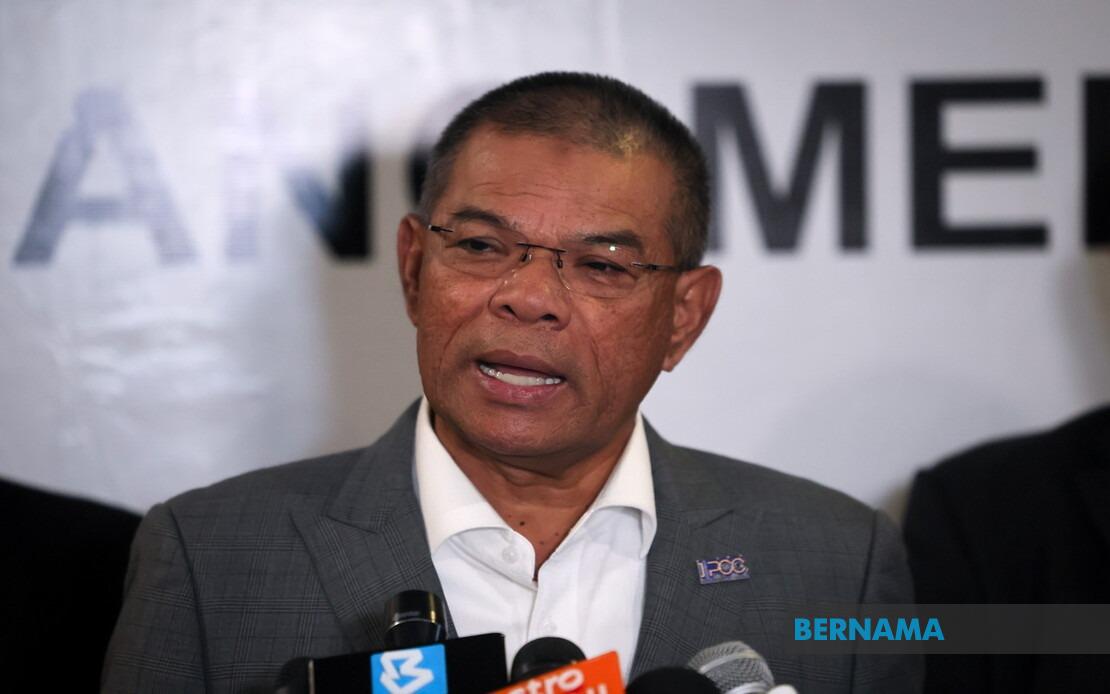
Home Minister Datuk Seri Saifuddin Nasution Ismail has directed the Malaysian Immigration Department to extend full cooperation to investigating authorities following a fatal collision involving one of its operational vehicles that claimed three lives in the early hours of Monday morning. The tragedy, which occurred on Jalan Sultan Ismail around 1 am, has prompted the minister to take a firm stance on accountability, warning that any findings of negligence, misconduct, or legal violations will trigger decisive action against those involved.
In a Facebook statement released on the day of the incident, Saifuddin Nasution expressed profound sorrow at the loss and extended formal condolences to the bereaved family. He also conveyed the ministry's and the immigration department's sympathies, noting that they were praying for the family to find strength during this difficult period. The minister's swift public response underscores the gravity with which the government views the incident and the political sensitivity surrounding deaths caused by government vehicles.
According to eyewitness accounts and preliminary reports, the collision involved a Malaysian Immigration Department Black Maria lorry, which was operating without any detainees at the time. The vehicle was reportedly en route to Chow Kit to conduct an enforcement operation against undocumented migrants when the crash occurred at Maju Junction. The circumstances suggest that operational tempo and the urgency of the raid may have contributed to the incident, raising questions about whether departmental protocols regarding vehicle safety were properly observed.
The immigration lorry allegedly proceeded through the intersection while its traffic signal displayed red, despite having its beacon lights and siren activated. At the same moment, a Proton Saga travelling in the perpendicular direction, with its traffic light showing green, attempted to cross the junction. The driver of the Proton Saga, unable to react swiftly enough to the immigration vehicle's incursion into the intersection, collided with the much heavier lorry. The force of the impact sent the immigration vehicle into an uncontrolled skid across the intersection.
The aftermath of the collision proved devastating for pedestrians in the vicinity. As the immigration lorry skidded out of control, it struck four pedestrians in its path, killing three members of the same family and seriously injuring a fourth. An Inokom Matrix multi-purpose vehicle parked or stationary in the area was also damaged in the calamitous sequence of events. The incident has left investigators piecing together multiple vehicle interactions and examining the contributing factors to this preventable tragedy.
The Royal Malaysia Police have registered the case under Section 41(1) of the Road Transport Act 1987, which addresses vehicle-related offences. This legal framework provides authorities with mechanisms to determine liability and potential criminal negligence. The investigation will likely examine several critical factors, including whether the immigration department's driver possessed valid licensing and training, whether the vehicle was properly maintained, and whether institutional directives regarding safe driving procedures were being followed at the time.
Beyond the immediate legal proceedings, this incident raises broader questions about operational safety culture within government enforcement agencies. The Immigration Department, like other law enforcement bodies, operates vehicles that respond to emergency situations and conduct scheduled raids. The balance between operational efficiency and public safety becomes paramount in such contexts. The minister's directive for full cooperation suggests recognition that public confidence in the institution depends on transparent investigation and decisive corrective measures.
The timing of the crash, occurring as the immigration vehicle headed toward a planned enforcement operation, may invite scrutiny of departmental procedures governing such missions. Whether drivers receive adequate rest, whether fatigue management protocols exist, and whether speed and driving conduct are monitored during enforcement operations are all elements that a thorough investigation should address. Malaysian road safety advocates have long emphasised that beacon lights and sirens, while signalling priority, do not grant immunity from traffic regulations that exist to protect all road users.
For Malaysian citizens and residents, this incident serves as a sobering reminder of the unpredictability of road accidents and the vulnerability of pedestrians, regardless of the status of vehicles involved. The fact that the victims were ordinary family members going about their evening activities underscores how quickly circumstances can turn tragic on Malaysian roads. The incident also highlights the importance of traffic law enforcement applying equally to all vehicles, including those operated by government agencies.
The Home Ministry's response, while appropriately acknowledging the tragedy and mandating cooperation, will be judged by the substantiveness of the investigation that follows. Public trust in the machinery of justice depends on whether recommendations emerging from this inquiry are implemented promptly and whether similar systemic vulnerabilities are addressed across other enforcement agencies. The immigration department and the broader civil service will be watching how the ministry handles this case as a benchmark for institutional accountability.
Looking forward, the outcome of this investigation may prompt a broader review of vehicle operation standards across government departments, particularly those involved in law enforcement and public order. Preliminary findings regarding traffic signal violation and vehicle control will likely inform recommendations about driver training, fatigue management, and adherence to traffic regulations even during operational emergencies. Such measures, though sometimes requiring institutional adjustment, ultimately protect both the public and government personnel themselves.
The tragedy also underscores the need for public vigilance and awareness at intersections, particularly those known for heavy traffic or where emergency vehicles frequently operate. While the immigration department and authorities conduct their investigation, the incident serves as a national moment to reflect on road safety culture and the shared responsibility all road users bear in preventing similar tragedies. The minister's directive for full cooperation represents a starting point; the true measure of institutional accountability will be determined by actions taken in the investigation's aftermath.

