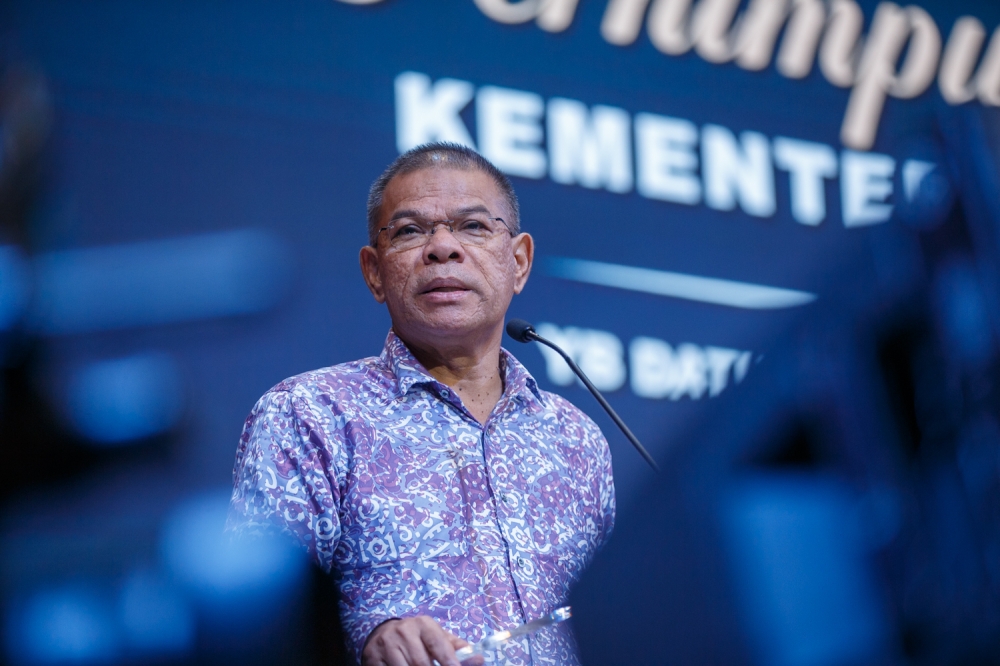
The Home Minister has ordered an immediate and comprehensive investigation into circumstances surrounding the deaths of three police officers who were fatally electrocuted in Beaufort, Sabah. The directive emphasizes the need for complete transparency throughout the investigative process to ensure accountability and establish the precise sequence of events that led to the tragedy.
The three officers lost their lives in what authorities have classified as an electric shock incident in the Beaufort district, one of Sabah's rural administrative divisions. Initial reports indicate the officers may have come into contact with live electrical sources while responding to an operational matter, though the exact nature of their assignment at the time remains under clarification. The deaths have sent shockwaves through law enforcement circles and raised immediate questions about workplace safety protocols and emergency response procedures in the state.
Such fatalities among uniformed personnel are rare but devastating for police operations and morale across the nation. The Beaufort incident marks a significant loss for the Royal Malaysian Police, particularly affecting operational capacity in the eastern Malaysian state. The broader law enforcement community has expressed deep concern about the incident, with senior officials pledging full support for the grieving families and comprehensive reviews of existing safety measures.
The Home Minister's intervention at the highest level signals the gravity with which the government treats officer safety and institutional accountability. By ordering both comprehensiveness and transparency, the ministry has indicated its commitment to uncovering not merely what happened, but also why standard safety protocols may have failed or been circumvented. This approach reflects evolving expectations regarding governmental responsiveness to workplace tragedies involving public servants.
Sabah, as the largest state by area in Malaysia though geographically remote from the peninsula, often faces resource constraints in maintaining uniform safety standards across its law enforcement operations. Beaufort, located in the southwest of the state near the Limbang border region, serves a population spread across challenging terrain. Rural police stations typically operate with smaller contingents and may have limited access to specialized equipment or immediate backup, factors that could prove relevant to understanding how this incident occurred.
The incident inevitably raises questions about electrical safety awareness among police personnel and the adequacy of operational briefings before officers are deployed to potentially hazardous environments. Whether the officers were responding to a reported electrical hazard, attempting rescue operations, or encountered unexpected electrical danger while performing routine duties will significantly influence conclusions about preventability and systemic responsibility.
Investigative teams will likely examine whether proper warning systems were in place, whether the officers possessed necessary training for electrical emergencies, and whether communication failures between agencies contributed to the tragedy. The state's electrical utility provider will presumably also come under scrutiny regarding maintenance standards and hazard notification procedures, particularly if the electrocution source involved power infrastructure rather than private installations.
For families of the deceased officers, the investigation offers a pathway toward understanding and potential closure, though no procedural thoroughness can alleviate their loss. The police force has traditionally emphasized supporting bereaved families through both institutional mechanisms and peer support networks, recognizing that officer deaths profoundly affect not just immediate colleagues but entire station communities.
This Sabah tragedy occurs within a broader context of increasing awareness regarding workplace safety across Malaysian public services. The police force, operating in demanding conditions across urban and rural environments, faces particular vulnerabilities to hazardous situations. Previous incidents involving officer fatalities have sometimes prompted systemic reviews and equipment upgrades, suggesting that this investigation's findings may trigger policy adjustments.
Regional police commanders and the Inspector-General's office will be monitoring the investigation closely, as findings could have implications for operational procedures throughout Malaysian police departments. If the incident reveals gaps in training, communication, or safety equipment, implementation of corrective measures across other states would logically follow. Such standardization becomes particularly important when operations span diverse geographical and infrastructural contexts.
The investigation's timeline and scope remain undetermined, though the Home Minister's order to proceed immediately suggests preliminary findings could emerge within weeks. The authorities will likely coordinate with Sabah state government representatives, local municipal authorities, and potentially federal agencies depending on whether infrastructure or other jurisdictional factors require their involvement.
As investigations unfold, the incident serves as a sobering reminder of the hazards embedded within law enforcement work, many of which remain largely invisible to public scrutiny. The three officers who died in Beaufort represent part of a broader sacrifice made daily by personnel who enter situations others seek to avoid. Their deaths warrant rigorous examination not as an exercise in blame allocation, but as an institutional obligation to prevent future tragedies and honor their service through meaningful safety improvements.

