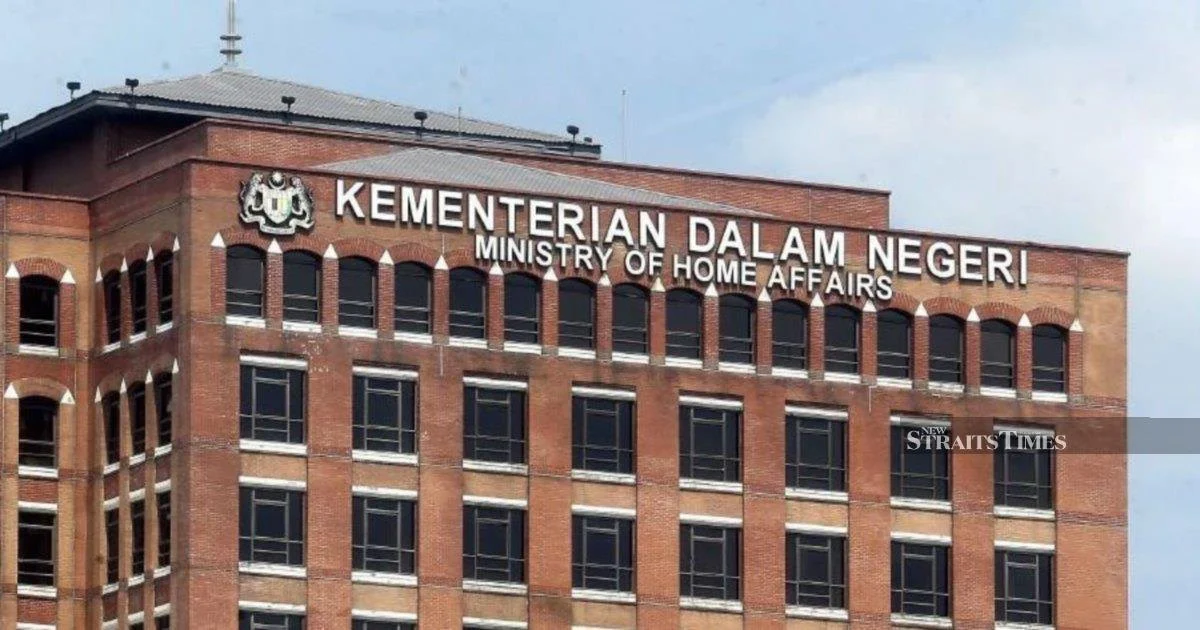
The Home Ministry has initiated a formal investigation into operational matters affecting Network School in Forest City, Johor, according to ministry announcements. The decision to probe the educational institution reflects growing government attention to governance and compliance issues within the sprawling mixed-use development that has attracted international investment and domestic controversy in equal measure.
Forest City, a massive development project spanning thousands of hectares across Johor Bahru and Iskandar Puteri, has long occupied a prominent position in Malaysia's economic development strategy. The initiative positions itself as a world-class integrated development featuring residential components, commercial facilities, and supporting infrastructure. However, the project has navigated considerable public scrutiny regarding foreign ownership patterns, environmental concerns, and questions about its alignment with national development priorities.
Network School operates within this broader ecosystem, providing educational services to residents and families within the Forest City precinct. Schools located in major developments often serve multiple functions, anchoring community life while addressing the practical needs of thousands of residents. The specific nature of operational issues triggering the Home Ministry investigation remains under examination, though such probes typically focus on administrative compliance, governance structures, and adherence to educational regulations.
The investigation underscores the regulatory frameworks that oversee institutions operating within large-scale integrated developments. Malaysian authorities maintain oversight responsibilities across multiple dimensions—security, educational standards, community welfare, and legal compliance—particularly in projects involving international dimensions or significant foreign participation. Home Ministry involvement suggests concerns potentially touching upon matters falling within its purview, whether related to administrative licensing, operational permits, or broader governance questions.
Educational institutions in Malaysia operate under established regulatory systems administered through the Education Ministry and state-level authorities, while commercial and security aspects may fall under other agencies including the Home Ministry. The involvement of the Home Ministry specifically indicates that concerns may extend beyond purely pedagogical matters into administrative or regulatory compliance areas. Such investigations typically evaluate whether operations conform to all applicable laws and regulations governing the institution's establishment and day-to-day functioning.
Forest City's position as a significant foreign investment project has consistently attracted government monitoring. The development has generated debate regarding its ownership structure, with substantial Chinese investment shaping the project's trajectory and raising questions about land use patterns and the proportion of foreign versus local stakeholder involvement. Schools within such environments occupy unique positions, serving resident populations while potentially embodying some of these broader development questions.
The timing of this investigation reflects wider patterns of institutional accountability across Malaysia. Government agencies have demonstrated increased willingness to examine operations within major developments and special economic zones, seeking to ensure that rapid growth does not create regulatory gaps or create environments where compliance standards slip. This approach aligns with Malaysia's broader governance modernisation efforts, particularly following periods of heightened scrutiny of project management and institutional oversight.
For families with children attending Network School, the investigation may raise questions about continuity of educational services and operational stability. Investigations of this nature, while necessary for regulatory compliance, can create uncertainty among stakeholders. Malaysian authorities typically endeavour to minimise disruption to educational services during such processes, recognising the importance of maintaining stability for student learning outcomes and institutional reputation.
The investigation also carries implications for how Forest City manages its broader ecosystem of services and facilities. Residential mega-projects depend upon integrated support systems—including quality schools, healthcare facilities, retail options, and security infrastructure—to justify premium pricing and attract long-term residents. Any significant operational problems in core amenities can undermine the project's market positioning and investor confidence. The Home Ministry's intervention signals that authorities are prepared to address potential deficiencies rather than permit them to accumulate.
Regional context matters as well. Johor has positioned itself as Malaysia's economic engine, competing with other states for investment capital and talent migration. Forest City represents one of the most visible manifestations of this ambition, yet also one of its most contested projects. Maintaining operational standards across all facilities within such developments remains essential to the state's broader economic branding and attractiveness to both international investors and resident populations seeking relocation opportunities.
The investigation's conclusions may establish important precedents for how Malaysian authorities oversee educational and administrative operations within foreign-invested mega-projects. Regulatory outcomes could influence operational practices across similar developments, affecting everything from governance structures to compliance reporting requirements. Educational institutions, as spaces shaping young minds and community identity, warrant particular attention from regulators concerned with maintaining both academic standards and institutional integrity.
Stakeholders including parents, school administrators, education authorities, and the broader Forest City management structure await further details on investigation scope and timeline. The Home Ministry's commitment to thorough examination reflects recognition that institutional accountability serves everyone's interests—ensuring that educational services meet required standards while protecting the legitimate interests of students, families, and broader communities depending upon these facilities.

