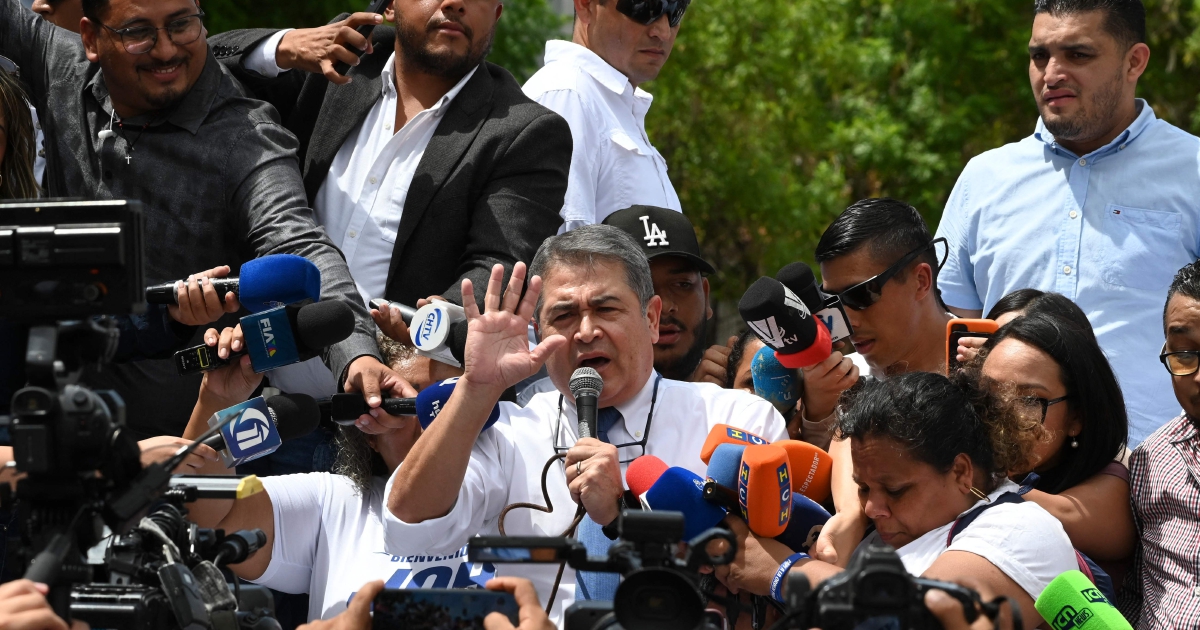
A Honduran judicial panel delivered a significant ruling on Monday that permits former president Juan Orlando Hernández to remain free while he navigates an ongoing corruption trial in his home country, a decision that arrives months after his controversial pardon from United States drug trafficking allegations. The determination charts an uncertain legal path for the once-powerful Central American leader, whose political fortunes have undergone a dramatic reversal since his presidency ended in 2022.
The pardon granted by President Donald Trump last year effectively shielded Hernández from prosecution in American courts on narcotics trafficking charges, which he had vehemently denied throughout extradition proceedings and a previous trial in New York. The clemency decision sparked considerable controversy within Honduras and across Central America, where many observers questioned the timing and rationale behind Trump's move, particularly given the weight of evidence presented during US legal proceedings.
Hernández's current predicament underscores the distinction between American criminal jurisdiction and domestic accountability mechanisms. While the Trump pardon resolved his exposure to federal prosecutors in Washington, it carried no bearing whatsoever on the separate charges he faces within Honduras itself. These domestic allegations focus on corruption and misappropriation during his two-term presidency, matters that fall squarely within Honduran legal authority and Honduran public concern.
The Monday ruling grants Hernández the opportunity to contest these corruption allegations while at liberty rather than from behind bars, a development his legal representatives almost certainly championed as essential to preparing an adequate defence. The decision reflects judicial reasoning that presumes innocence and weighs the severity of restrictions against the rights of an accused person to move freely while criminal proceedings unfold. This approach mirrors international norms governing pre-trial detention in democracies attempting to balance public safety with individual freedoms.
The implications for Honduras extend beyond one individual's circumstances. Hernández's tenure as president, which lasted from 2014 to 2022, coincided with widespread allegations of endemic corruption involving high-ranking officials and his close associates. Multiple cabinet members and advisors ultimately faced prosecution, and his administration became synonymous with institutional decay and organised crime infiltration within governmental structures. His current trial thus represents a test of whether Honduran institutions can successfully investigate and prosecute former heads of state—a capacity that remains underdeveloped across much of Central America.
Regional observers have noted that successful prosecution of a former president would signal meaningful progress toward accountability in Honduras. The country has struggled for years with judicial independence challenges and political interference in legal proceedings. The court's willingness to allow Hernández's conditional freedom suggests at least some institutional separation, though sceptics question whether Honduran courts possess sufficient insulation from political pressure to deliver impartial verdicts in such high-profile cases involving figures of Hernández's stature.
The Trump pardon itself deserves closer examination as a factor in the Honduran proceedings. Although foreign presidential clemency cannot override domestic charges, it inevitably shapes public perception and political dynamics surrounding the trial. Critics argue that the American pardon signals international indifference to Honduran corruption concerns and undermines momentum toward domestic accountability. Supporters contend that Honduras bears sole responsibility for investigating and prosecuting its own leaders according to its own legal standards.
Legal experts tracking Central American judicial developments have noted that the decision to grant freedom during trial suggests the Honduran judiciary believes conditions warrant continued proceedings rather than abandonment or dismissal. The charges presumably meet evidentiary thresholds sufficient to sustain prosecution, otherwise judges would likely have dismissed the case entirely. This persistence indicates that evidence compiled by Honduran investigators and prosecutors possessed enough weight to convince judges that the trial should advance.
Hernández's defence team will presumably use the months ahead to challenge evidence, question witness credibility, and present alternative interpretations of the documented facts. The freedom to consult with attorneys, gather evidence, and prepare public defence strategies substantially advantages an accused person compared to detention scenarios. Conversely, remaining in Honduras while facing these charges exposes him to political pressures, potential witness intimidation concerns, and the risk that circumstances could shift adversely during extended proceedings.
The ruling carries implications for how Honduras manages its recent political history and addresses accountability for past administrative conduct. Citizens who suffered from corruption during Hernández's presidency have awaited meaningful consequences through legal channels. The court's decision to allow the trial to proceed with Hernández at liberty represents neither exoneration nor defeat for either side, but rather a procedural juncture that permits the judicial process to continue toward eventual resolution.
As proceedings advance, attention will focus on whether Honduran courts can maintain independence and deliver verdicts based on evidence rather than political calculation. The international community, including United States government officials, will likely monitor the trial's trajectory as an indicator of judicial institutional strength within Honduras. For Honduras itself, the case carries symbolic weight concerning whether even the highest-ranking former officials face genuine legal accountability, or whether power provides immunity from prosecution once threats of international extradition have been neutralised through presidential pardon.

