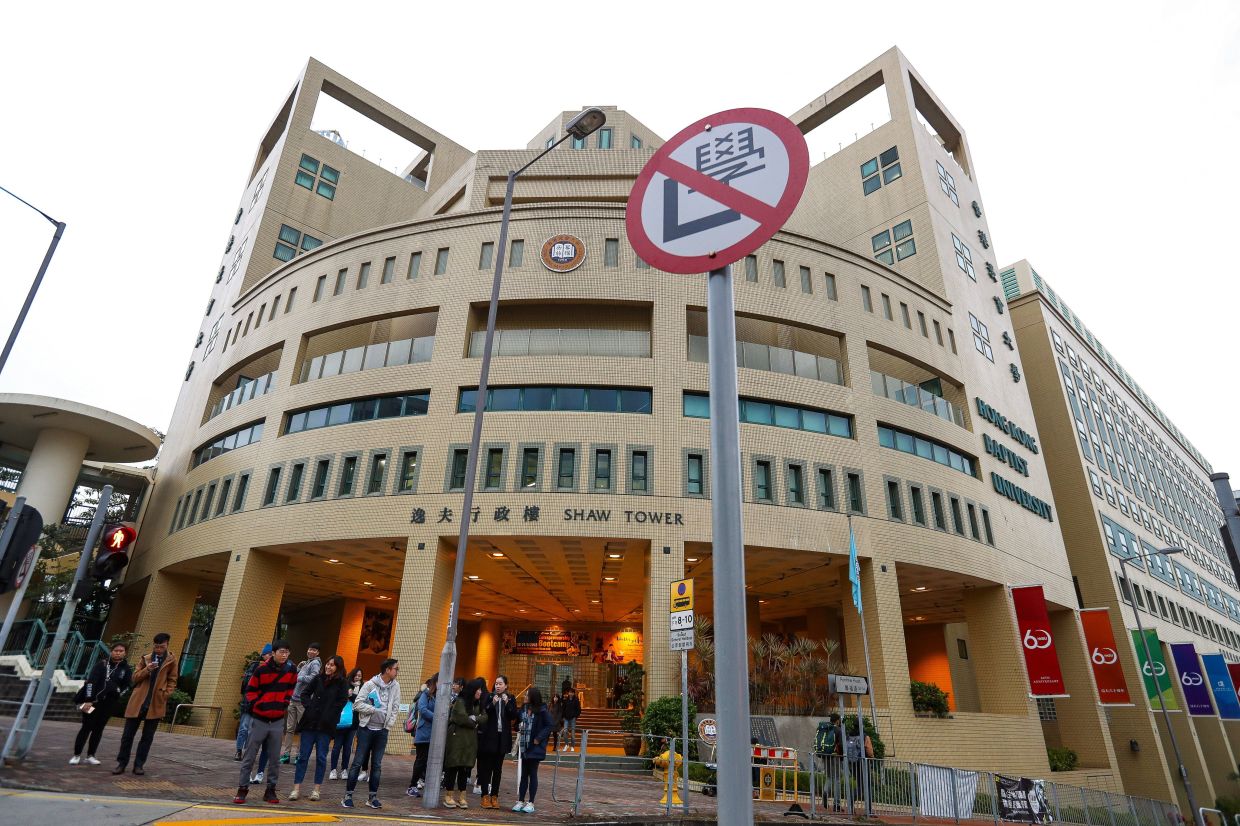
Hong Kong Baptist University has launched a comprehensive review of its information technology security infrastructure following allegations by a sophisticated ransomware operation that it successfully breached the institution's network and accessed sensitive data. The claim, published online by a cybercriminal collective known as The Gentlemen, has prompted immediate action from the university's leadership and drawn scrutiny from Hong Kong's privacy authorities and technology sector experts.
The Gentlemen emerged as a notable threat actor roughly eighteen months ago and has since established itself as a significant player in the global cybercriminal ecosystem. Rather than operating independently, the group has adopted a business model centred on distributing its extortion tools to other hackers through a revenue-sharing arrangement, effectively franchising its malware capabilities. This approach has enabled the organisation to expand its footprint across networks worldwide, multiplying the potential damage its infrastructure can inflict across diverse sectors and regions.
According to cybersecurity monitoring services tracking the incident, the alleged breach has exposed approximately 1,900 credentials associated with Baptist University's systems. The compromised accounts encompass roughly 130 staff members, approximately 1,770 additional user accounts belonging to students or other institutional users, and around 260 credentials tied to third-party contractors and service providers working within the university's network infrastructure. The breadth of compromised credentials suggests the attackers gained relatively broad access to the institution's digital environment.
In an official response issued Tuesday evening, Baptist University acknowledged the allegations and confirmed it was actively investigating the security status of its IT systems and the potential exposure of personal data held within them. The institution indicated it would implement countermeasures consistent with its established protocols and maintain ongoing communication with relevant regulatory agencies and law enforcement authorities investigating the matter. However, the university did not provide specific details about the timeline of the suspected breach or how the attackers initially gained entry to its networks.
Hong Kong's Office of the Privacy Commissioner for Personal Data, the territory's primary data protection authority, has not yet received formal notification of the breach from Baptist University, according to a spokesperson. The office revealed that it had taken proactive steps by directly contacting the institution to gather information about the incident and assess its scope and implications for affected individuals' privacy rights. This intervention suggests regulators are treating the matter with significant seriousness given the potential exposure of personal information belonging to staff, students, and associated parties.
Francis Fong Po-kiu, who serves as honorary president of the Hong Kong Information Technology Federation, has issued detailed recommendations for how Baptist University should respond to the security incident. He emphasised the critical importance of immediately formalising a breach notification to the privacy commissioner, a legally mandated step that appears not yet to have been completed. Fong stressed the necessity of conducting thorough forensic examinations of affected systems and performing comprehensive security audits to determine the full extent of unauthorised access and identify any remaining vulnerabilities.
Fong's guidance specifically addresses the question of whether attackers used the stolen credentials to penetrate deeper into the university's most sensitive systems or to exfiltrate additional data beyond what has been publicly claimed. This distinction carries significant operational implications, as it determines whether Baptist University faces merely credential compromise or more extensive structural breaches affecting research data, financial systems, or other critical institutional infrastructure. He further recommended that the institution implement a mandatory password reset across all campus systems and activate multi-factor authentication protocols to prevent attackers from leveraging the compromised credentials for further unauthorised access.
The incident highlights broader vulnerabilities within Hong Kong's educational sector and across Southeast Asia's institutional landscape, where universities often manage substantial repositories of sensitive personal and research information while operating with constrained cybersecurity budgets. Baptist University's situation underscores how even well-established institutions can fall victim to sophisticated threat actors employing advanced techniques and operating at scale across multiple targets. The use of a franchise model by The Gentlemen suggests that similar attacks may proliferate across other regional organisations if the group successfully monetises access to institutional networks.
Fong also advocated for transparent communication between the university and its affected community members, recommending that Baptist University provide regular updates to staff and students about the investigation's progress and remediation efforts. This transparency serves dual purposes: it enables affected individuals to take protective measures such as monitoring credit reports or changing passwords on external platforms, while also building institutional credibility by demonstrating genuine commitment to accountability. Additionally, clear communication can reduce vulnerability to social engineering attacks, as informed staff and students are better equipped to recognise and resist phishing attempts that attackers might deploy in follow-up exploitation campaigns.
The timing of this breach investigation arrives as Hong Kong institutions remain under heightened scrutiny regarding cybersecurity practices. Regional authorities have increasingly emphasised that data protection obligations extend beyond mere regulatory compliance, incorporating operational security standards and incident response capabilities that reflect international best practices. Baptist University's response to these allegations will likely establish a benchmark for how similar institutions in Hong Kong and across Southeast Asia manage comparable security incidents, potentially influencing future regulatory expectations and institutional risk management standards.
Looking forward, the investigation's findings will prove instructive for understanding how ransomware-as-a-service operations target educational institutions and exploit their network architectures. The credentials accessed—spanning administrative staff, general users, and external contractors—suggest that attackers may have pursued a gradual infiltration strategy rather than a single targeted compromise. This methodical approach is characteristic of advanced persistent threat actors who prioritise sustained network access over rapid data extraction, potentially allowing them to identify and extract the most valuable information before announcing the breach publicly.

