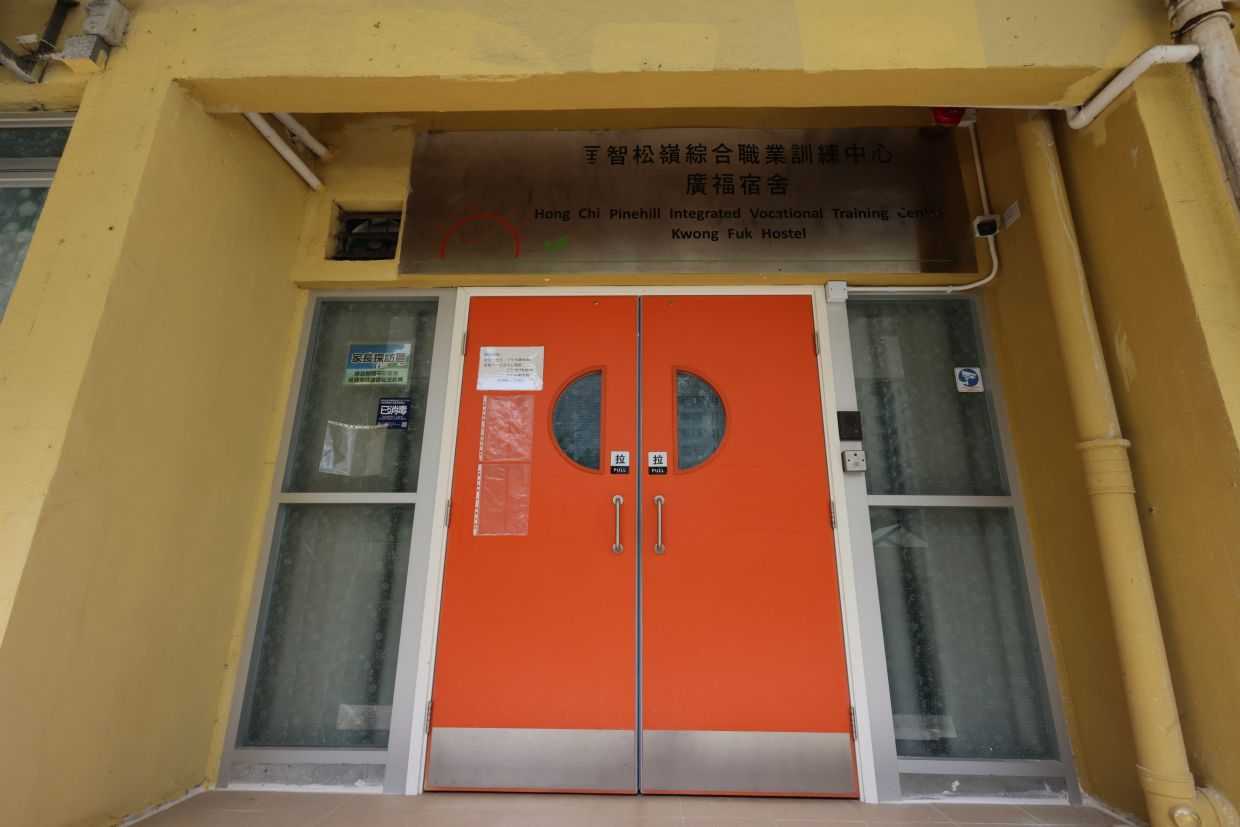
A former care home worker in Hong Kong faces five rape charges after allegedly assaulting an intellectually disabled resident multiple times over a two-month period in 2024. Chung Pui-kei, who worked as an assistant warden at a residential facility in Tai Po operated by the Chi Association, is accused of sexually assaulting a woman identified as X between July and August that year. The High Court trial commenced Friday with prosecutors outlining their case before a jury of four men and two women, with Judge Douglas Yau Tak-hong overseeing proceedings.
Prosecutor Human Lam Hiu-man presented evidence indicating that the alleged victim, now 23 years old, has the cognitive ability of a nine-year-old child. This intellectual capacity is central to the prosecution's case, as it suggests the woman could not meaningfully consent to sexual activity and may have been particularly vulnerable to manipulation by someone in a position of authority. The prosecutor detailed how the defendant allegedly exploited this vulnerability by cultivating a relationship of trust through seemingly innocent gestures—playing video games like Mario Kart, engaging in friendly conversation, and offering treats such as marshmallows. To the victim, these actions established Chung as a trustworthy figure, making her less likely to resist or report his advances.
The prosecution alleges that three of the five assaults occurred in a male staff rest room within the facility, while two took place in the victim's own bedroom—spaces where privacy would have enabled the defendant to act with reduced risk of discovery. In each instance, prosecutors contend that Chung locked the door before undressing himself and the victim and committing the assaults. Prosecutors presented testimony indicating that the victim recalled experiencing pain during some attacks and had verbally objected or expressed discomfort on certain occasions. However, the victim reportedly remained silent during other instances due to fear of being reprimanded by Chung, a telling indication of how institutional power dynamics and the vulnerability of care home residents can be weaponised by perpetrators.
Investigators uncovered physical evidence supporting the prosecution narrative. Police discovered condoms and other items in a locker located in the male staff rest area. More significantly, officers identified a bedsheet from the victim's bedroom that contained DNA evidence linking the defendant to the scene—a combination of the defendant's semen and the victim's genetic material. Such forensic evidence provides objectivity to corroborate the victim's account and moves beyond reliance solely on her testimony, which defence counsel may seek to undermine given her intellectual disability and potential medication history.
The prosecution presented testimony from Lydia Lam Yi-ngar, a psychiatrist at Tai Po Hospital, who evaluated the victim on two occasions in 2024 following the alleged incidents. The psychiatrist's examination on August 19 and October 21 revealed that the victim had been hospitalised previously in 2018 and 2021 for mental health treatment but had remained clinically stable following medication compliance and regular monitoring since her discharge. The psychiatrist diagnosed the victim with bipolar affective disorder, a condition that defence counsel may argue could affect perception or reliability of memory. However, assessments conducted in August and November 2024 determined that the victim was not experiencing psychotic episodes at those times and showed no symptoms consistent with post-traumatic stress disorder.
The defence strategy has begun to emerge through cross-examination, with counsel Lawrence Hui Cheuk-lun probing whether medication non-compliance could produce hallucinations affecting the victim's perception of physical features. This line of questioning suggests the defence may argue that the victim's account is unreliable or that identification of the defendant is uncertain. However, psychiatrist Lam testified that hallucinations are not a recognised side effect of valproate sodium, one of the two medications the victim takes as a mood stabiliser. Furthermore, blood tests revealed drug levels consistent with regular medication use during the relevant period, undercutting suggestions of non-compliance that July 2024.
Clinical psychologist Wong Yik-tung from the Social Welfare Department also testified regarding the victim's intellectual capacity following the alleged assaults. Wong's formal assessment of the victim's cognitive functioning will provide expert evaluation of her intellectual ability, memory reliability, and capacity to accurately recount events. This psychological evidence serves a dual purpose: establishing the victim's vulnerability as a person with intellectual disability, thereby strengthening the prosecution's case that any conduct was inherently non-consensual, while simultaneously addressing defence challenges to her credibility and memory accuracy.
The case illuminates broader concerns within Hong Kong's care sector regarding safeguarding of vulnerable populations. Residential facilities housing intellectually disabled individuals must maintain robust systems to prevent exploitation by staff members who hold significant power over residents. The alleged incidents, occurring over two consecutive months, suggest potential failures in supervision, monitoring, and accountability mechanisms at the Tai Po facility. Investigations must consider whether warning signs were missed, whether adequate protocols existed for reporting suspected abuse, and whether staff conduct was subject to appropriate oversight.
This prosecution also reflects evolving legal protections for intellectually disabled persons in Hong Kong. The charge of rape of a mentally incapacitated woman, rather than relying on physical resistance or explicit verbal refusal, recognises that genuine consent is impossible when one party lacks the cognitive capacity to understand the nature and implications of sexual activity. This framework protects vulnerable individuals who cannot meaningfully exercise autonomy, regardless of whether they verbally objected or physically resisted. The case demonstrates Hong Kong courts taking such matters seriously, with trial proceedings carefully documenting the victim's cognitive limitations and corroborating evidence rather than dismissing cases involving disabled complainants.
For Malaysia and the broader Southeast Asian region, this case carries instructive implications for vulnerable populations in care settings. Malaysian care homes, orphanages, and residential facilities housing disabled or marginalised individuals similarly face risks of institutional abuse. This Hong Kong prosecution underscores the importance of robust background vetting for care workers, mandatory training on safeguarding protocols, adequate supervision ratios, surveillance systems, and mechanisms enabling residents to safely report abuse. The case also highlights how forensic evidence and expert psychological testimony can substantiate complaints from cognitively disabled victims, countering the unfortunate tendency in some jurisdictions to dismiss such allegations as unreliable.
The trial continues with Wong expected to resume testimony Monday, providing further expert analysis of the victim's intellectual functioning and the reliability of her recollections. The jury's eventual verdict will determine whether the prosecution has proved beyond reasonable doubt that Chung Pui-kei committed the five alleged assaults. Regardless of outcome, the proceedings have already brought public attention to vulnerabilities within care systems and the imperative for institutional and legal safeguards protecting some of society's most defenceless members.

