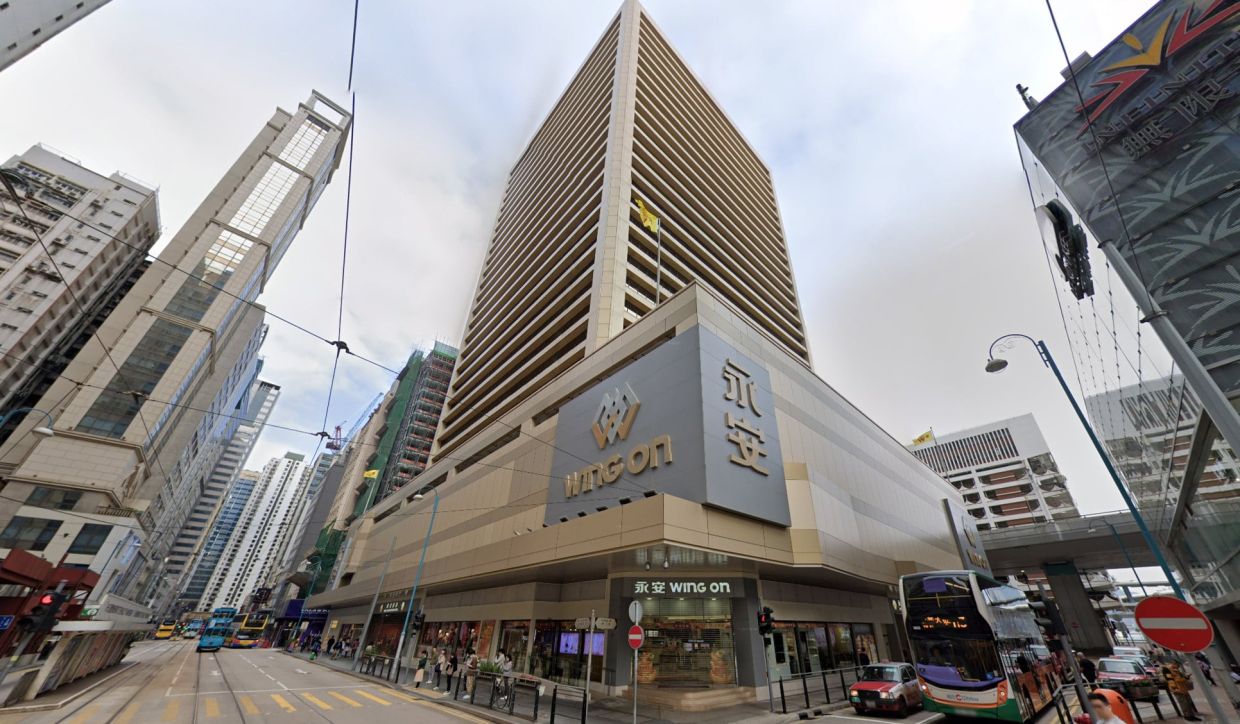
Hong Kong's customs authorities have launched an investigation into allegations that an 88-year-old customer was subjected to persistent sales pressure resulting in HK$100,000 in purchases at an Avinichi beauty outlet housed within the Wing On department store in Sheung Wan. The case, brought to public attention through a social media post by the woman's daughter surnamed Ng, represents the latest in a series of complaints highlighting aggressive tactics within Hong Kong's beauty product retail landscape, coming on the heels of enforcement action against other prominent brands in the sector.
According to the daughter's account of events occurring in April, the elderly customer's experience unfolded over an extraordinarily prolonged three-hour engagement with store staff. What began as an initial transaction took a troubling turn when the salesperson allegedly retained the customer's credit card without returning it, instead placing it within a folder while continuing to present additional products for purchase. This retention of the payment card effectively created a situation where the customer's ability to withdraw from the transaction became significantly constrained, a pattern that legal observers suggest crosses into coercive conduct territory.
Over the extended sales period, the credit card was reportedly swiped on four separate occasions, accumulating charges totalling HK$100,000 for skincare formulations, a specialised beauty treatment device, and a package of twenty-four detoxifying sessions. The magnitude of expenditure stands particularly striking given the customer's advanced age and the compressed timeframe within which purchasing decisions were made. The daughter's account indicates that even when the customer's helper attempted to intervene and propose departure from the store, sales efforts continued unabated, suggesting systematic disregard for signals that the customer wished to terminate the engagement.
The psychological and emotional toll on the customer proved significant, with the elderly woman subsequently describing sensations of exhaustion, confusion, and what she characterised as a hypnotic state following the extended sales interaction. Such descriptions are consistent with patterns of vulnerability exploitation, wherein extended sales pitches overwhelm consumers' capacity to make reasoned decisions. The family's subsequent request for a refund was rejected by Avinichi, which offered only an exchange arrangement, effectively trapping the customer within the transaction without meaningful remedial recourse through the retailer itself.
Convinced that formal intervention was necessary, the family escalated the matter to Hong Kong's Customs and Excise Department and the Consumer Council. The Customs and Excise Department confirmed receipt of the complaint and indicated it was "actively investigating the case" with commitment to pursuing "appropriate enforcement" action should violations of the Trade Descriptions Ordinance be substantiated. The ordinance specifically addresses harassment, coercion, and misleading conduct employed to compel consumer purchases that individuals would not otherwise undertake, directly encompassing the alleged conduct here.
Avinichi itself is one component of a broader retail portfolio operated by Apex Retail, a multi-brand conglomerate with significant presence across Hong Kong and Singapore. The company manages approximately twelve retail locations throughout Hong Kong under various brand names including Earth, Napara, Privilege Boutique, and Dualsonic, alongside the Avinichi outlets. The proliferation of these brands under single ownership creates systemic implications if aggressive sales practices are embedded across operations. Notably, Apex Retail has recently announced the launch of two additional Avinichi "experience boutiques" scheduled for 2025, potentially expanding the customer base exposed to such practices.
When South China Morning Post journalists visited the Wing On location to gather immediate responses, staff members claimed unfamiliarity with the allegations. Following consultation with management via telephone, an employee requested the reporter's contact details and promised that a company spokesperson would respond subsequently. The subsequent refusal to permit direct managerial conversation and the failure to provide timely response by day's end suggested a defensive posture rather than transparent engagement with the serious allegations raised. Such communication patterns often accompany institutional consciousness of wrongdoing.
This incident arrives within a context of escalating scrutiny of Hong Kong's beauty retail sector. The arrest of two managers at the Hong Kong operations of beauty chain Opatra London on charges related to coercive sales practices established a precedent demonstrating that law enforcement takes such allegations seriously. Additionally, The Mineral Boutique, operating under Beauty Express Group, has attracted regulatory attention for allegedly employing comparable aggressive sales methodologies. These concurrent cases suggest systemic problems rather than isolated incidents within Hong Kong's beauty retail landscape.
Legal scholars consulted by media outlets have outlined how practices witnessed in these complaints—including the withholding of credit cards, unwanted physical contact, and sustained pressure to purchase high-value products—potentially constitute violations of the Trade Descriptions Ordinance. The legal framework already exists; what remains is consistent application and enforcement across the sector. The Avinichi trademark itself is owned by Exclusive Label, based in the United States, with the company's website disclaiming that all retail locations are independently owned and managed. However, such disclaimers may provide limited protection if systematic training, incentive structures, or operational guidelines underlying the sales approach originated from corporate oversight.
For Malaysian and broader Southeast Asian consumers, this situation carries direct relevance as Hong Kong retailers frequently operate regional operations, and sales tactics developed in one jurisdiction often migrate across markets. The case underscores the vulnerability of elderly consumers to exploitation through sustained, high-pressure retail environments and highlights the importance of regulatory vigilance around beauty and wellness products, categories where emotional appeals and pseudo-scientific claims often feature prominently. Families with elderly relatives should remain alert to unusually large unexpected purchases and take seriously accounts of coercive or pressurised sales experiences.
The investigation's trajectory and any enforcement outcomes will likely establish enforcement precedents affecting broader retail conduct across the region. Should authorities substantiate coercive conduct and apply meaningful penalties, the deterrent effect could improve consumer protections across Hong Kong and neighbouring markets. Conversely, lenient resolution might embolden continued aggressive tactics. Consumer advocates across Asia will be monitoring the case's development closely, as enforcement actions in major financial hubs often influence regulatory approaches elsewhere in the region.

