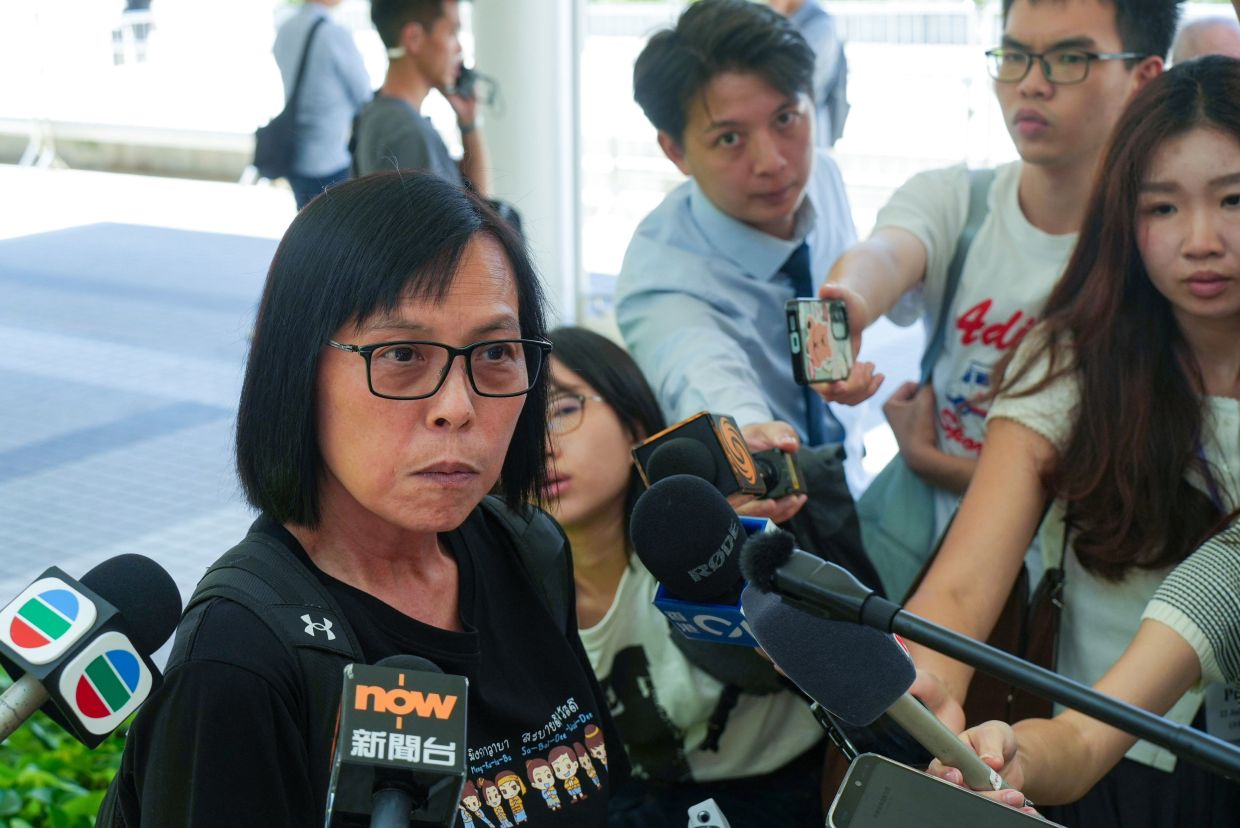
An independent committee probing Hong Kong's deadliest residential fire in decades has chosen to operate without statutory powers, a decision that has alarmed survivors and advocates who worry the inquiry may lack sufficient authority to uncover critical failings. Justice David Lok Kai-hong, who chairs the investigative panel, announced the committee would not petition the chief executive to elevate it into a formal statutory commission of inquiry while the examination into the Wang Fuk Court blaze remains ongoing. The declaration came as proceedings resumed following a six-week adjournment, intensifying questions about whether the voluntary framework will adequately serve the victims' families seeking accountability.
The implications of this choice extend beyond procedural technicalities. A statutory commission would grant the inquiry sweeping powers including the ability to compel witnesses to testify under oath, demand production of documents from government agencies and private companies, and conduct proceedings with legal authority recognised under Hong Kong law. Without such designation, the investigation operates on a more limited footing, dependent on voluntary cooperation from parties whose interests may not align with complete disclosure. For survivors and next-of-kin, the distinction carries profound weight—it determines whether accountability mechanisms possess genuine teeth or merely symbolic weight.
The Wang Fuk Court fire, which claimed multiple lives in an older residential compound, exposed systemic vulnerabilities in building safety oversight, maintenance protocols, and emergency response procedures. The incident triggered widespread public concern about fire safety standards across Hong Kong's ageing public housing stock, particularly in densely populated estates where many low-income families reside. Such communities have long raised alarms about deferred maintenance and inadequate inspections, issues that an insufficiently empowered inquiry might struggle to fully investigate. The decision to forgo statutory status therefore carries implications for broader housing safety discussions affecting millions of residents in similar accommodation.
For Malaysian observers, the Hong Kong situation offers instructive parallels regarding inquiry mechanisms and survivor protections. Malaysia has experienced its own high-casualty fires in recent years, prompting questions about how independent investigations balance institutional autonomy with effective oversight. The tension between maintaining investigative independence and ensuring adequate investigative powers remains unresolved in many jurisdictions. Hong Kong's choice suggests that even developed regulatory systems grapple with calibrating inquiry scope, a challenge equally relevant to Southeast Asian governance contexts where fire safety and building standards enforcement remain inconsistent.
Justice Lok's position reflects a particular philosophy about inquiry design—one that prioritises maintaining the committee's independent status over acquiring government-delegated authority. Proponents argue that statutory commissions invite political interference and bureaucratic constraints, whereas independent panels can operate with greater intellectual freedom. This reasoning, while superficially compelling, may underestimate the practical limitations survivors face when an inquiry cannot compel reluctant witnesses or access restricted documents. The philosophical preference for independence, if it compromises investigative capacity, ultimately disadvantages those seeking answers about what went wrong and who bears responsibility.
The six-week pause in proceedings itself raises questions about investigation momentum and prioritisation. Substantial breaks can fragment continuity, allow memory deterioration among witnesses, and create space for narrative management by interested parties. Resumption of hearings signals renewed commitment, yet the underlying structural constraints remain unchanged. Survivors and their advocates must navigate an inquiry constrained by voluntary cooperation, testing their patience and faith in the process. This dynamic frequently disadvantages ordinary citizens while advantaging institutional players with resources to manage information and legal representation.
The relationship between investigative authority and survivor empowerment deserves deeper examination. Statutory commissions typically provide mechanisms for victim participation, representation, and guaranteed access to proceedings and findings. Non-statutory inquiries, while potentially more nimble, may marginalise affected communities who lack standing to participate formally. This distinction becomes particularly acute in cases involving deaths and injuries—situations where survivors bear both trauma and legitimate interest in comprehensive accountability. Without statutory authority, survivors effectively depend on the committee's discretion regarding their involvement and access to information.
Hong Kong's regulatory environment and legal infrastructure differ substantially from Malaysia's, yet both jurisdictions face comparable challenges regarding institutional accountability and public trust. When high-profile disasters occur, official inquiries serve crucial legitimacy functions beyond factual fact-finding. They signal societal commitment to accountability, provide forums for public acknowledgment of harm, and create official records that shape future policy. An inquiry perceived as under-resourced or inadequately empowered undermines these legitimacy functions, potentially fostering public cynicism about institutional capacity to learn from tragedy.
The decision also reflects broader tensions within Hong Kong governance regarding the balance between executive deference and independent scrutiny. Chief executives possess discretion over whether to elevate inquiries into statutory status, creating potential conflicts of interest when government bodies or officials face investigation. By declining to request such elevation, the committee may be signalling respect for executive prerogatives, yet this choice simultaneously constrains its own investigative reach. Whether this represents prudent institutional restraint or problematic self-limitation remains contested among legal commentators and survivor advocates.
Moving forward, the committee's investigative record will ultimately determine whether the structural choice proves adequate or deficient. If the inquiry succeeds in uncovering systemic failures and establishing clear accountability despite lacking statutory powers, the decision may be vindicated. Conversely, if critical evidence remains inaccessible or witnesses decline cooperation, survivors and observers may reasonably conclude that the framework was inadequate. The stakes extend beyond Hong Kong; how major democracies and semi-democracies structure post-disaster inquiries influences regional norms regarding institutional accountability and victim-centred justice.