Hong Kong authorities have intensified their crackdown on independent voices by arresting two individuals accused of selling seditious publications and accepting money from overseas political groups, operating under powers granted by the territory's 2024 national security law. The arrests, made on Wednesday and announced Thursday, have sparked concern among regional observers watching Beijing's tightening grip on the former British colony's traditionally robust civil liberties landscape.
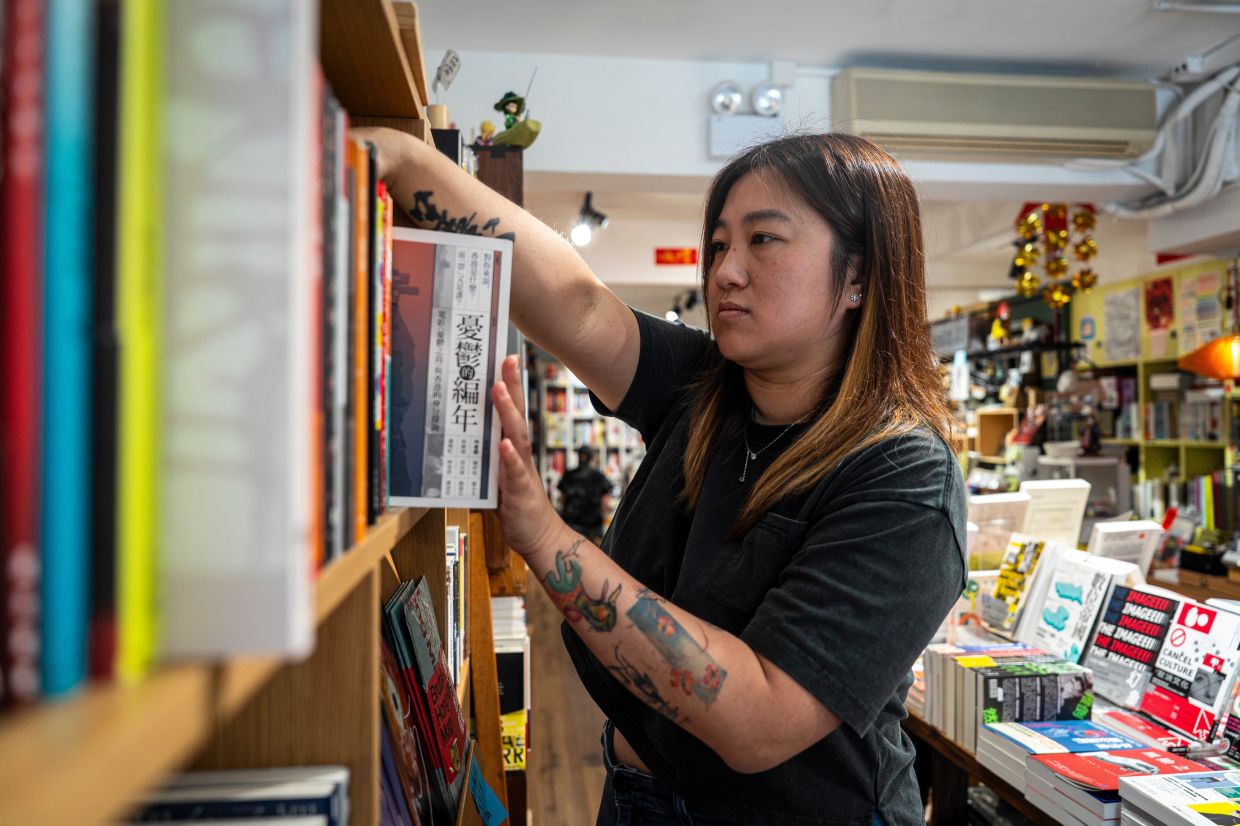
Although the government has declined to name those detained, credible local reporting suggests that Hunter Bookstore owner Leticia Wong, a former pro-democracy district councillor, is among those arrested. If confirmed, the move would represent another significant blow to Hong Kong's independent publishing sector and add to the growing list of prominent activists and civil society figures prosecuted under the sweeping national security framework introduced since the turbulent 2019 pro-democracy protests.
Wong has established herself as a resilient voice for democratic freedoms despite the challenging environment. Following the detention of prominent activists including Jimmy Lai under the earlier security legislation, Wong maintained a public stance opposing the government's direction. Her bookstore in the Sham Shui Po district emerged as a modest but symbolically important space for independent thought, hosting events and stocking publications that authorities appear to view with suspicion.
The timing of these arrests carries particular significance within Hong Kong's political calendar. Coming merely a week before the 29th anniversary of Hong Kong's handover from British to Chinese rule in 1997, the operation underscores the widening gap between Beijing's international commitments and its domestic security practices. When Britain returned Hong Kong to China, the agreement included assurances that the territory would preserve its distinctive legal system and personal freedoms for at least fifty years. Today, that promise appears increasingly hollow to critics both inside and outside the territory.
According to the government statement, the detained individuals stand accused of displaying materials designed to incite hatred against Hong Kong's government, courts, and law enforcement structures. Additionally, authorities allege they received financial remittances originating from foreign political organisations, though the statement provides no specifics about which publications or entities were involved in these transactions. The breadth of these accusations reflects how authorities have weaponised the national security law to criminalise conduct—such as accepting international support or selling certain books—that would be unremarkable in democratic jurisdictions.
Wong's experience illustrates the relentless pressure faced by those operating independent bookstores in contemporary Hong Kong. In interviews prior to her arrest, Wong documented that government agencies took action against her shop ninety-two times between July 2022 and June 2025, encompassing unannounced inspections, conspicuous police patrols outside the premises, and warning letters alleging violations of various regulations. This pattern of administrative harassment extended beyond direct state action—an anonymous letter circulated to organisations planning events at the bookstore prompted at least one group to cancel their booking, suggesting the chilling effect authorities' actions produce throughout civil society.
The broader context of bookstore prosecutions reveals a systematic approach to suppressing independent publishing. In March, police arrested staff at another Hong Kong bookstore on similar sedition charges related to stocking a biography of imprisoned pro-democracy publisher Jimmy Lai. Though those individuals were subsequently released on bail, the prosecutions demonstrate that authorities view certain published materials and biographical works as threats worthy of criminal investigation. For Malaysia and other Southeast Asian nations watching Hong Kong's trajectory, these developments raise uncomfortable questions about the boundaries between national security legislation and political persecution.
Pro-Beijing observers and government officials maintain that both security laws are essential safeguards for Hong Kong's stability and prosperity. The government has repeatedly asserted that freedom of expression remains comprehensively protected within the territory, framing security measures as proportionate responses to genuine threats. However, this characterisation rings increasingly hollow to international observers and Hong Kong residents who have witnessed the systematic application of these laws against peaceful activists, publishers, and civil society figures rather than violent extremists or foreign agents.
The escalating arrests pose implications extending beyond Hong Kong itself. The territory's publishing and cultural sectors have historically served as regional hubs for independent thought and artistic expression. As authorities tighten controls, writers, publishers, and artists from across Southeast Asia face uncertainty about their ability to engage with Hong Kong's cultural institutions or distribute work through Hong Kong publishers without facing security scrutiny. This dynamic threatens to diminish Hong Kong's historical role as a bridge between Chinese and international intellectual communities.
For Malaysian observers, Hong Kong's experience offers cautionary lessons. Malaysia has its own broad security and sedition legislation, and the Hong Kong precedent—demonstrating how such laws can be weaponised against legitimate political expression—warrants careful consideration by policymakers and civil society advocates. The question of how democracies and semi-democracies balance genuine security concerns against the protection of fundamental freedoms remains unresolved across much of Asia, making Hong Kong's trajectory a regional bellwether.
The practical impact on Hong Kong's independent bookstores and publishers remains uncertain. If prosecutions of booksellers become routine, the sector will likely contract further, with many proprietors opting to stock only politically safe materials or closing operations entirely. This narrowing of the information landscape accelerates Hong Kong's transformation from a relatively open society into one where political boundaries on speech are clearly policed and routinely enforced through the criminal justice system.

