Hong Kong's police force has dismantled what appears to be a carefully orchestrated phishing operation following the arrest of two suspects accused of defrauding residents of over HK$500,000 through coordinated telecommunications fraud. The two men, aged 31 and 44, were taken into custody on Thursday last week, with authorities formally confirming their detention on Saturday on suspicion of conspiracy to defraud. Their alleged scheme demonstrates the evolving sophistication of cybercriminals in Asia who exploit consumer trust in delivery services and fintech platforms.
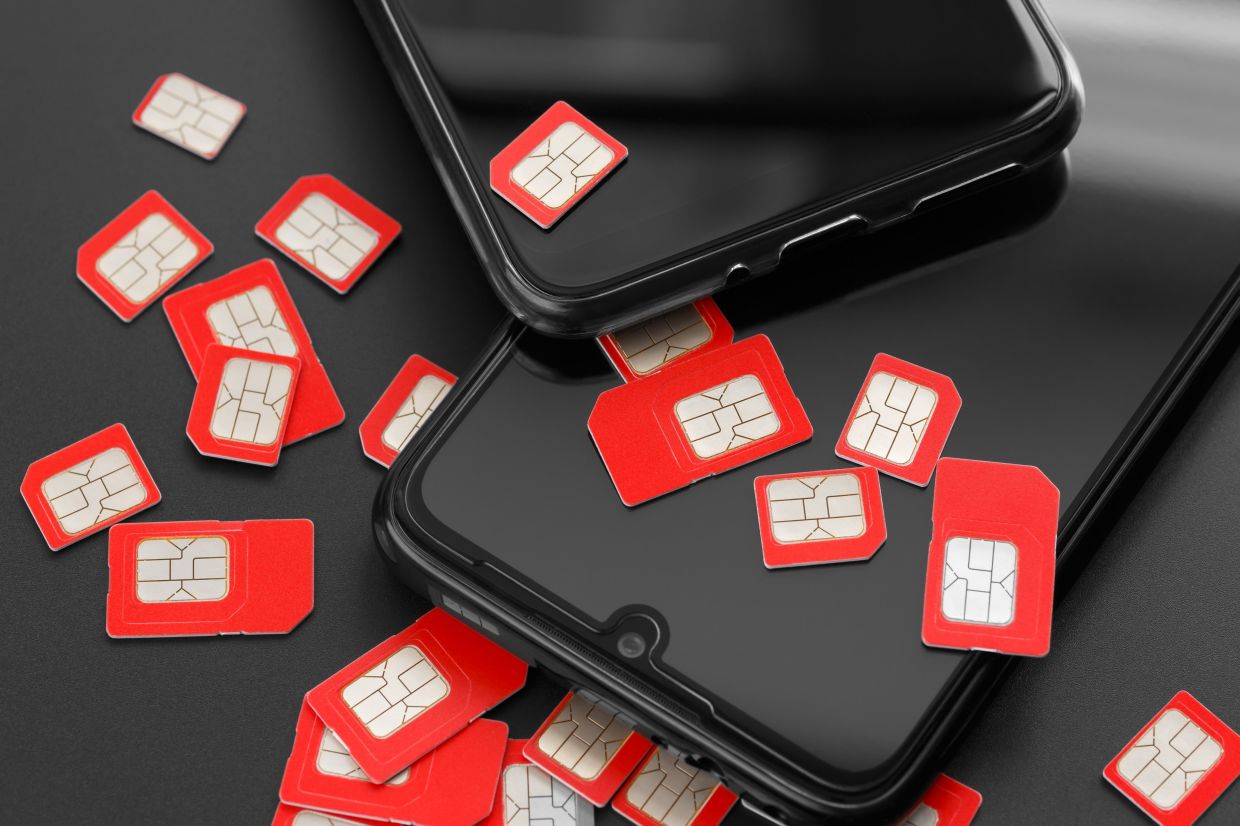
The investigation revealed an operation designed with surprising technical proficiency. Working from a hotel room that served as their base of operations, the suspects had assembled an array of equipment specifically chosen to amplify their reach and evade detection. Among the materials discovered by police were a modem pool—a specialized device enabling operators to control multiple SIM cards from a single location—nine mobile phones, and crucially, 110 active SIM cards. This infrastructure allowed them to disseminate fraudulent messages at scale while maintaining a veneer of legitimacy through multiple phone numbers.
According to Inspector Kwan Yat-hei from the fraud division of the commercial crime bureau, the operational scope was substantial. Investigators determined that the two men had dispatched more than 2,000 suspected scam messages, casting a wide net across Hong Kong's population. Each message was carefully crafted to impersonate trusted institutions, creating the psychological conditions necessary to manipulate victims into compromising their financial security. The volume of messages sent suggests this was not a casual criminal enterprise but rather a methodically executed fraud campaign.
The fraudulent messages employed two primary deception tactics that proved effective at capturing victim attention. In one variant, perpetrators posed as employees of parcel delivery companies, informing recipients that packages awaited collection. In another approach, they impersonated staff members from digital payment platforms, claiming that recipients had unknowingly enrolled in insurance schemes and faced outstanding fees requiring immediate settlement. Both scenarios created artificial urgency and exploited the modern expectation of regular commercial communications. Victims responding to these messages were directed toward bogus customer service hotlines.
Once victims made contact with the fake hotlines, the fraudsters escalated their manipulation through a series of coordinated instructions. Callers were guided through multi-step processes designed to lower their defenses, ultimately leading them to transfer money into pre-arranged bank accounts. The perpetrators employed various justifications and pretexts to rationalize why immediate fund transfers were necessary, exploiting standard customer service protocols that legitimate companies employ. This technique of combining psychological manipulation with technical infrastructure represents a significant evolution in fraud tactics affecting the region.
The acquisition strategy for SIM cards proved instrumental in the operation's success and simultaneously created opportunities for law enforcement. According to police, the suspects had methodically purchased a large quantity of SIM cards registered under the identities of multiple individuals. This deliberate approach to obtaining cards under different names was designed to obscure the operational footprint and complicate tracking efforts. However, the investigation identified phone numbers linked to recently reported scam cases, allowing authorities to connect the dots and attribute a network of fraud incidents to the same criminal operation.
Hong Kong's regulatory environment for telecommunications has intensified scrutiny of SIM card usage following widespread concerns about fraud. Since March 2022, all SIM cards distributed across the territory must undergo real-name registration procedures requiring users to present valid identification documents. This policy was implemented specifically to combat precisely the type of operation uncovered in this case. Despite these safeguards, the two arrested individuals managed to circumvent controls by recruiting multiple people to register cards in their names, demonstrating the ongoing cat-and-mouse dynamic between regulators and determined fraudsters.
Inspector Kwan emphasized that the investigation remains active and ongoing, with authorities signaling their expectation that further arrests may follow. This indication suggests that investigators believe a broader network may be involved in the operation, or that other individuals facilitated the scheme through knowingly or unknowingly enabling the procurement of SIM cards. Police have launched an appeal to the public, particularly targeting residents who may have been approached to sell or lend their SIM cards, cautioning them about unwitting complicity in criminal activity.
The public warnings issued by authorities carry significant legal implications for ordinary residents. Police stressed that individuals who lend or sell their SIM cards to others, regardless of their knowledge about intended misuse, may face criminal liability if those cards are subsequently used for fraudulent or other illegal purposes. This liability framework reflects the position that personal responsibility extends to the consequences of one's actions, even when intermediary actors cause the actual harm. For Malaysian readers and Southeast Asian consumers generally, this approach represents an important principle: vigilance about personal identifying information and communication infrastructure must extend beyond obvious security concerns to include regulatory compliance and potential legal exposure.
Under Hong Kong law, the charge of conspiracy to defraud carries substantial penalties, with sentences extending up to fourteen years' imprisonment. The severity of potential punishment underscores the territory's commitment to prosecuting organized fraud schemes vigorously. This legal framework creates strong deterrent effects and signals to regional criminal networks that sophisticated, coordinated deception operations face serious consequences. For Southeast Asian jurisdictions, this case study offers instructive lessons about the technical infrastructure criminals employ and the regulatory approaches that, while imperfect, can contribute to identifying and prosecuting perpetrators.
The broader implications of this case resonate throughout Southeast Asia, where phishing and telecommunications fraud represent growing challenges for regulators and law enforcement. The method of establishing centralized operations in physical locations equipped with specialized technology creates vulnerable points that authorities can target. The heavy reliance on recruiting cooperating individuals to provide SIM cards under their identities suggests potential enforcement opportunities through public education and regulatory measures targeting retailers and individuals facilitating card sales. For Malaysian authorities and other regional counterparts, the Hong Kong investigation demonstrates that while sophisticated fraud operations exist, their technological and logistical requirements create investigative opportunities.

