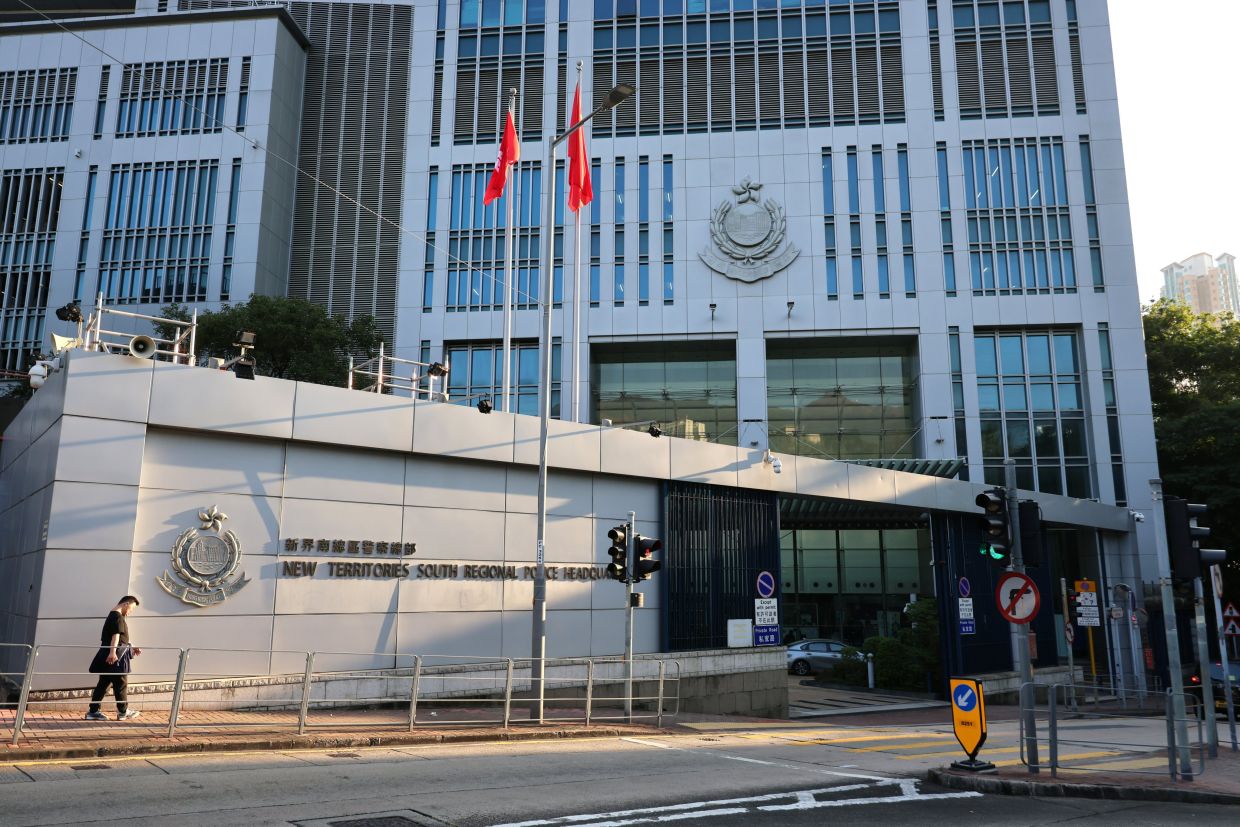
A Hong Kong police officer has become the subject of formal charges following allegations that he sent indecent messages and images to a woman connected to a criminal investigation. The 32-year-old constable from the Kwai Tsing police district was arrested on August 20 in Tuen Mun by officers from the New Territories South regional crime unit, according to a statement released by police on Thursday.
The incident emerged from an investigation begun in May of the previous year into an unrelated criminal matter. While pursuing that case, the officer allegedly used his position to contact a friend of one of the suspects and transmitted inappropriate text messages alongside explicit images to her. The inappropriate communication was not an isolated exchange but represented a pattern of behaviour that violated professional boundaries and potentially exploited the officer's authority.
The victim reported the disturbing contact to police later that same month, setting in motion an internal inquiry that would eventually lead to the officer's detention and charging. The woman's decision to come forward demonstrates the importance of reporting such incidents, particularly when they involve those entrusted with public authority and the enforcement of law. Her account provided the foundation for investigators to examine the officer's conduct throughout the relevant period.
Following a thorough examination of the evidence and circumstances, authorities concluded there was sufficient basis to proceed with formal charges. The officer has been charged with a single count of misconduct in public office, a serious allegation that addresses the abuse of authority and breach of the trust placed in police personnel. This charge carries significant weight in Hong Kong's criminal justice system, as it directly speaks to the integrity of public institutions.
The officer's appearance before Sha Tin Court on Friday marks the next stage of the judicial process. He remains suspended from active duty pending the outcome of the proceedings, a standard precautionary measure when allegations of this nature are under examination. The suspension serves to separate the officer from operational duties while maintaining administrative ties to the police force during the court process.
The Hong Kong Police Force issued a statement emphasising its commitment to maintaining strict standards of conduct among its ranks. A police spokesman reiterated that the institution takes the behaviour of officers with utmost seriousness and will not countenance any unlawful actions by personnel, whether on or off duty. This public position underscores the force's recognition that public trust depends fundamentally on the integrity and professionalism of individual officers.
Misconduct charges against police officers in Hong Kong have become increasingly scrutinised in recent years, reflecting broader discussions about accountability and the proper exercise of public authority. The case highlights how investigations into criminal matters can sometimes reveal concerning behaviour by those charged with conducting them, presenting a significant challenge to law enforcement institutions seeking to maintain public confidence. When officers abuse their access to information or their position to pursue inappropriate personal contacts, it undermines the legitimacy of the entire investigative process.
For Malaysia and other Southeast Asian nations watching Hong Kong's approach to police accountability, this case offers insights into how jurisdictions handle internal discipline. The relatively prompt charging and court appearance suggest functional internal investigation mechanisms, though questions remain about how widespread such issues may be and what preventive measures police departments employ. Regional law enforcement agencies increasingly face pressure to demonstrate that they maintain rigorous standards and act decisively when officers cross professional lines.
The implications of such incidents extend beyond individual consequences to affect community perceptions of police authority and legitimacy. When officers misuse their investigative access or position to contact witnesses or suspects' associates inappropriately, it not only violates professional standards but potentially compromises cases and erodes public confidence in law enforcement. The incident also raises questions about supervisory oversight and the systems in place to monitor officer conduct during investigations.
As the matter proceeds through Hong Kong's court system, the case will likely draw attention to broader institutional practices surrounding officer conduct during investigations. Police departments across Asia face similar challenges in maintaining professional standards while granting officers the operational flexibility necessary to conduct effective investigations. The balance between operational autonomy and rigorous accountability remains a central tension in contemporary policing.

