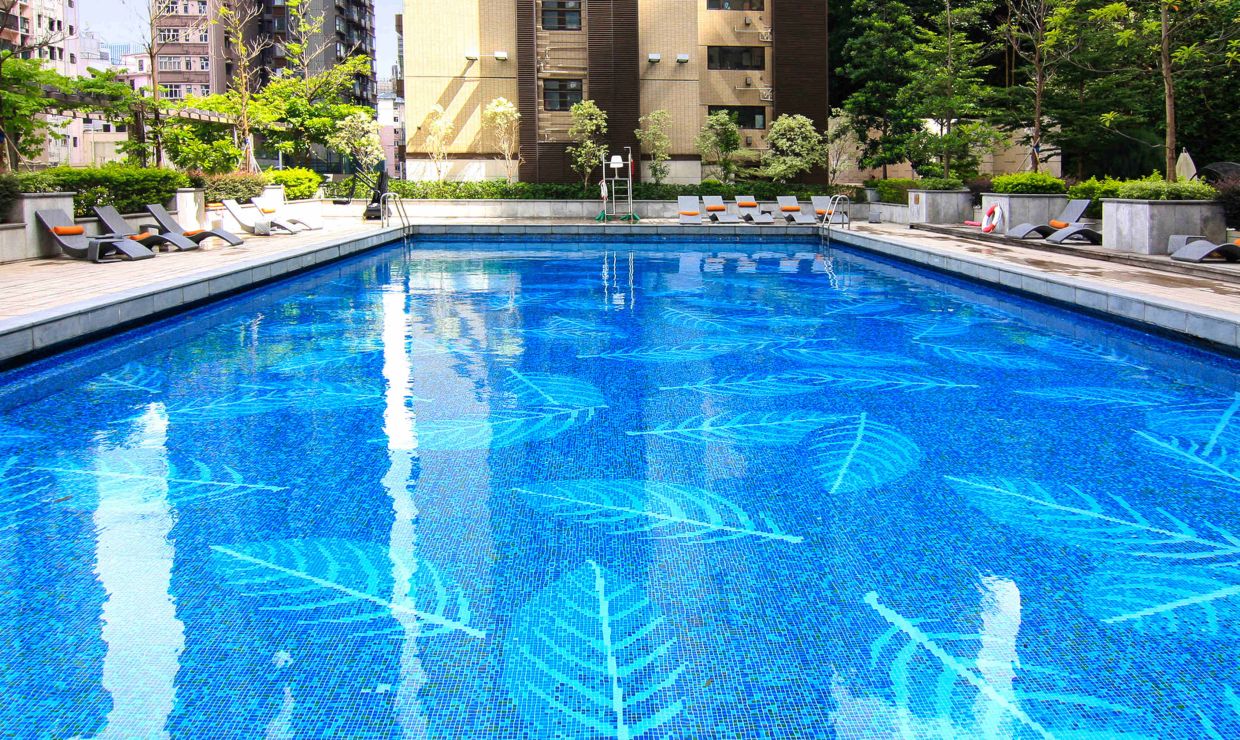
Hong Kong's Food and Environmental Hygiene Department has ordered the immediate closure of a swimming facility at a private residential estate in Happy Valley following the discovery that an on-duty lifeguard was operating under fraudulent qualifications. The decision underscores growing concerns about safety compliance at private pool facilities across the territory and signals tougher enforcement of lifeguard credentialing requirements.
The licensed pool serving residents at 1-5 Ventris Road, a site housing Winfield Building, was shuttered after routine verification by authorities revealed discrepancies between the lifeguard's presented credentials and official records maintained by the Hong Kong China Life Saving Society. Officials determined that the facility could no longer legally operate because the absence of a properly qualified attendant left it without the mandatory staffing complement required under swimming pool regulations.
The investigation began when the Food and Environmental Hygiene Department submitted a batch of lifeguard documentation for verification on Wednesday, seeking confirmation through the established certifying body. Within 24 hours, officials received confirmation that one lifeguard's credentials were fraudulent. The rapid turnaround triggered immediate intervention, with authorities moving swiftly to prevent any further operation of the facility and to protect public safety.
The regulatory response has broadened beyond the immediate closure. The department is pursuing prosecution of the pool's operating licensee for failing to maintain proper safety standards and has referred the matter to law enforcement for investigation into the suspected forgery of official documents. Additionally, the Property Management Services Authority has been notified to coordinate follow-up action regarding the building's broader compliance obligations. Notably, the government has not disclosed whether the lifeguard in question has been arrested, formally suspended, or removed from duty.
This incident reflects a pattern of inadequate verification that prompted Hong Kong authorities to introduce strengthened regulatory measures beginning in May of last year. Private pool licensees are now explicitly mandated to examine lifeguards' identity documents before hiring and to maintain complete copies of their Pool Lifeguard Awards certificates alongside personal logbooks. The enhanced requirements also specify that duty rosters must be verified and countersigned by both the lifeguards themselves and by inspection personnel designated by the pool operator.
The scale of regulatory activity suggests authorities are taking the issue seriously. Between January and July this year, the Food and Environmental Hygiene Department conducted approximately 7,000 inspections across more than 1,400 licensed private pools throughout Hong Kong, during which officials verified the qualifications of roughly 2,100 lifeguards. The extensive verification programme has already uncovered at least one previous incident involving the suspected deployment of unqualified personnel, which surfaced after the new regulatory framework was implemented last year.
For Malaysian readers, the Hong Kong situation carries lessons about maintaining safety standards in rapidly developing residential facilities. As Southeast Asian cities continue to invest heavily in private residential amenities, the importance of rigorous credential verification and regular compliance audits cannot be overstated. The incident demonstrates how a single oversight—failure to properly vet a single employee's qualifications—can result in facility-wide operational suspension and legal consequences for management.
The Hong Kong authorities have signalled their intention to intensify scrutiny during the high-use summer swimming season through increased surprise inspections and spot-check programmes. This proactive approach aims to prevent additional cases of credential fraud and to ensure consistent safety standards across the entire private pool sector. The regulatory escalation suggests that earlier voluntary compliance measures were insufficient and that mandatory, verified documentation procedures are necessary to maintain public trust.
The incident also highlights the potential vulnerability of private residential management companies, which bear legal responsibility for contractor compliance but may lack sophisticated verification infrastructure. Building management teams across Hong Kong and the wider region may need to invest in stronger human resources protocols and third-party verification systems to avoid similar exposures. The experience demonstrates that outsourcing safety-critical positions without rigorous background and credential checks carries substantial liability risk.
For stakeholders in Malaysia's growing private residential sector, including developers, property managers, and homeowner associations, the Hong Kong case provides a cautionary example of why documented verification processes matter. As Malaysian residential developments increasingly feature premium amenities such as private swimming facilities, operators would be wise to adopt similarly stringent credential verification protocols, including periodic re-verification of all safety-critical personnel. The cost of implementing robust verification systems is minimal compared to the potential consequences of safety lapses or regulatory action.

