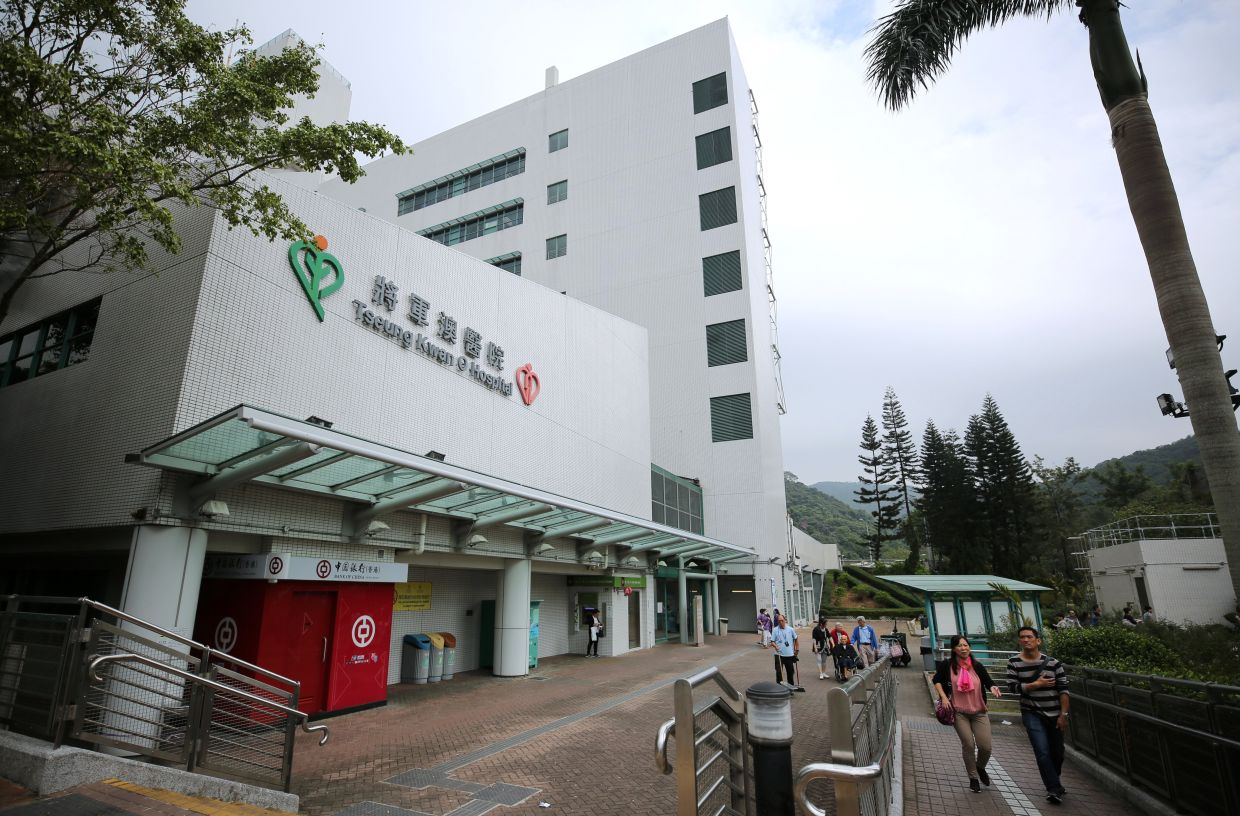
Tseung Kwan O Hospital in Hong Kong has completed an investigation into a fatal surgical error in which a surgeon incorrectly identified and operated on the wrong organ of an elderly patient, a mishap the hospital attributes to cognitive shortcomings rather than straightforward negligence. The incident, which occurred on February 7, involved an 85-year-old woman admitted with obstructive sigmoid colon cancer who required a transverse colostomy—a procedure designed to create a surgical opening in the abdomen to bypass the blockage and restore normal digestive function.
Instead of creating the stoma in the transverse colon as intended, the surgeon exteriorised the stomach, a fundamental anatomical confusion that went undetected during the operation. The patient's vital signs remained stable in the immediate post-operative period, masking the severity of the error. However, medical staff began noticing abnormally high output from the stoma, a warning sign that should have prompted earlier investigation. The patient was initially transferred to Haven of Hope Hospital for continued rehabilitation, but her condition gradually deteriorated over the following weeks as the consequences of operating on the wrong organ manifested.
By late February, the gravity of the mistake became apparent when the patient developed acute symptoms including dangerously low blood pressure and an elevated heart rate. Upon readmission to Tseung Kwan O Hospital on March 2, a computed tomography scan definitively revealed that the surgical opening had been created in the stomach rather than the intended location in the colon. Despite efforts to stabilise her condition, the patient's health continued to decline, and she passed away on March 3 following the family's decision to implement a do-not-attempt-resuscitation order. The death came barely three weeks after the original surgery, leaving her family and the medical community grappling with the consequences of the misidentification.
The hospital's detailed cause analysis report, released on Thursday, identified "confirmation bias" as the primary cognitive mechanism underlying the error. This psychological phenomenon describes how the surgeon, once forming an initial impression about which anatomical structure he was operating on, selectively interpreted subsequent visual and tactile cues to confirm that belief rather than objectively reassessing the evidence. The report states explicitly that the surgeon failed to perform additional confirmation measures—such as seeking a second opinion, using anatomical landmarks more carefully, or requesting intraoperative imaging confirmation—that might have prevented the catastrophic mistake.
Beyond the individual surgeon's cognitive failing, the hospital investigation uncovered systemic weaknesses throughout the surgical team and post-operative care protocols. Multiple healthcare personnel demonstrated insufficient experience or vigilance in recognising the anomalies presented by the patient's condition. Most critically, the unusually high stomal output—a clear red flag that something was fundamentally wrong with the operation—was monitored inadequately and failed to trigger immediate reassessment and intervention. The siloing of responsibility between surgical teams and rehabilitation staff created communication gaps that delayed recognition of the problem and prevented timely corrective action.
The findings have reignited scrutiny of Hong Kong's medical safety culture and prompted former lawmaker Michael Tien Puk-sun to call for the surgeon's dismissal or at minimum demotion. Tien pointed out that this surgeon has a documented history of errors and characterised the latest mistake as a "rookie mistake" that undermines Hong Kong's international reputation as a premium medical hub. His criticism extends beyond the individual practitioner to the hospital's institutional response, suggesting that the organisation's pattern of investigating incidents and promising improvements without delivering meaningful accountability creates a cycle of repetitive failures.
Tseung Kwan O Hospital has announced a comprehensive remedial framework in response to the investigation's findings. The institution will conduct a thorough review of clinical governance within its surgery department, placing particular emphasis on decision-making protocols and peer oversight mechanisms. Going forward, surgical teams will maintain direct involvement in patient care even after transfers between facilities, ensuring continuity of knowledge about the operation performed and enabling faster identification of post-operative complications. The hospital has established new requirements mandating that specialist stoma and wound care nurses conduct formal post-operative assessments with standardised documentation and mandatory reporting timelines to prevent clinical deterioration from going unnoticed.
The hospital has also restructured its department of surgery under a cluster-based governance model designed to distribute responsibility more systematically and prevent the sort of communication breakdown that enabled this error to persist undetected for weeks. These organisational changes reflect an institutional acknowledgment that individual competence, while necessary, is insufficient without robust systems-level safeguards. The case will likely proceed to the Coroner's Court, and the Medical Council may conduct its own review to determine whether the surgeon's registration and practice privileges should be modified or revoked.
For Malaysia and the broader Southeast Asian region, this incident carries sobering implications about medical oversight standards across the region. While Hong Kong maintains sophisticated healthcare infrastructure and international medical standing, the case demonstrates how cognitive biases and systemic communication failures can circumvent technical expertise. Malaysian healthcare institutions, facing parallel challenges around workforce development, resource constraints, and the integration of senior and junior medical staff, would benefit from studying the specific institutional reforms Tseung Kwan O has implemented. The incident underscores that ensuring patient safety requires vigilant attention not only to individual surgical technique but also to organisational culture, team communication, and the creation of multiple independent verification checkpoints that catch errors before they become fatal.
%22%2F%3E%3C%2Fpattern%3E%3C%2Fdefs%3E%3Crect%20width%3D%22100%25%22%20height%3D%22100%25%22%20fill%3D%22url(%23ph33f18g)%22%2F%3E%3Crect%20width%3D%22100%25%22%20height%3D%22100%25%22%20fill%3D%22url(%23ph33f18p)%22%2F%3E%3Ctext%20x%3D%2250%25%22%20y%3D%2250%25%22%20text-anchor%3D%22middle%22%20dominant-baseline%3D%22central%22%20fill%3D%22rgba(255%2C255%2C255%2C0.95)%22%20font-family%3D%22Georgia%2C%20'Times%20New%20Roman'%2C%20serif%22%20font-weight%3D%22700%22%20font-size%3D%22272%22%20letter-spacing%3D%22-0.02em%22%3EISTAF%3C%2Ftext%3E%3C%2Fsvg%3E)