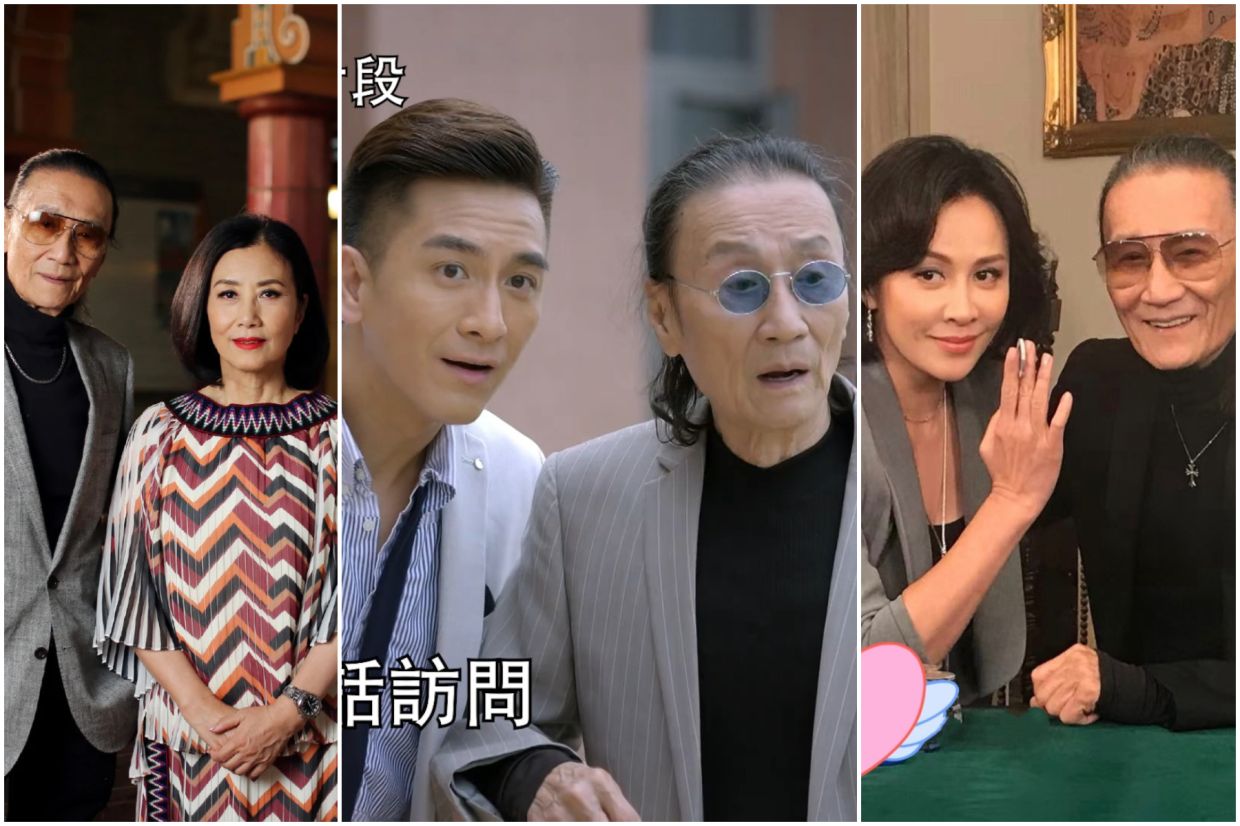
The death of Patrick Tse, one of Hong Kong cinema's most celebrated performers, has triggered an outpouring of grief from across the entertainment industry, with colleagues and collaborators reflecting on a career spanning decades and leaving an indelible mark on the region's cultural landscape. The screen veteran, widely referred to affectionately as Sei Gor or Fourth Brother, passed away from pneumonia on July 16, with his family announcing the loss four days later when he was 89 years old.
Among those expressing their sorrow was acclaimed actress Carina Lau, who shared photographs on Instagram documenting her own connection to Tse alongside an image of her husband Tony Leung Chiu Wai alongside the late actor. In her statement, Lau emphasised Tse's multifaceted contributions to both the entertainment world and Hong Kong's cultural legacy, describing a man characterised not merely by his professional accomplishments but by the manner in which he conducted himself throughout his life. Her words underscored the profound influence such figures exercise beyond their on-screen performances, shaping industry standards through their personal integrity and artistic approach.
Veteran actress Liza Wang, whose professional relationship with Tse encompassed numerous productions for Hong Kong's Television Broadcasts Limited, disclosed that their connection transcended the typical co-star arrangement. Wang held the position of godmother to Tse's daughter Jennifer, a familial closeness that demonstrated the depth of trust and affection Tse extended to his professional associates. Wang characterised her late colleague as someone who embodied genuine kindness alongside his public persona, noting that whenever they collaborated on projects, his instinct was invariably to offer support and transmit his accumulated artistic wisdom to younger ensemble members.
Wang's recollections emphasise a particular dimension of Tse's character that distinguishes entertainment figures in the public consciousness. She preserved memories of his distinctive smile and the consistent graciousness he displayed across different working environments, qualities that apparently never dimmed throughout his lengthy career. Her account suggests that Tse operated with an awareness that his position within the industry carried responsibilities extending beyond entertainment delivery toward mentorship and emotional generosity among colleagues.
Former TVB actress Michelle Ye accessed the social media platform Weibo to articulate her own memories of working alongside Tse, particularly recalling their 2005 collaboration. Ye's testimony introduces an emotional dimension distinct from the professional appreciation expressed elsewhere, describing how Tse provided something profoundly personal. Her characterisation of his role in her life suggests that certain professional relationships develop into something resembling familial bonds, wherein colleagues function as substitute figures for connections missing in their own histories.
Actor Kenneth Ma brought a different perspective to the commemorations, having worked with Tse on a 2017 production directed by Wong Jing for TVB. Ma's observations focused specifically on Tse's commitment to his craft even during his later years. The younger actor highlighted Tse's determination to execute action sequences without relying on stand-ins or digital enhancement, a choice that puzzled Ma initially given the physical demands involved. However, Ma recognised in this commitment something worthy of emulation, interpreting Tse's refusal to compromise as evidence of professional dedication that contemporary performers should contemplate and perhaps adopt.
Ma's account reveals an aspect of Tse's character that transcends mere skill or fame. The veteran actor's insistence on maintaining complete creative control and physical engagement with his work, regardless of age-related considerations, projected a philosophy about artistic responsibility. For Ma, observing someone in their later years approaching their work with such rigour and authenticity constituted a tangible lesson in maintaining professional integrity across an entire career span.
Director Wong Jing, in providing his own reflections, constructed a historical narrative linking his own creative evolution to Tse's influence. Wong recalled that their initial meeting occurred in 1977, when Wong was beginning his career as a TVB scriptwriter at merely twenty-two years old. The two men would drive together in Tse's Mercedes-Benz sports car, utilising these journeys as informal seminars where they discussed cinematic possibilities and creative challenges. During these occasions, Tse articulated a philosophy about fame and artistic commitment that Wong would retain as among his most valuable professional inheritances.
The specific counsel Tse imparted—that achieving star status demanded a lifetime commitment to maintaining those standards—crystallised a particular approach to entertainment that shaped Wong's subsequent directing career. This guidance was not merely about commercial success or maintaining marketability, but rather about the ethical dimension of becoming and remaining a public figure. The remark demonstrated Tse's understanding that celebrity functions as a platform carrying implications and obligations that extend throughout an entire professional lifetime.
Wong's characterisation of Tse as representing the pinnacle of male star magnetism within Hong Kong's cinema history places the late actor within a specific cultural and temporal context. Hong Kong's film industry during its commercial peak produced distinctive performance styles and star personas, with Tse exemplifying particular qualities that defined that era's aesthetic sensibilities. The industry transformed substantially across subsequent decades, making figures like Tse increasingly representative of a particular moment in the region's entertainment evolution.
The collective testimony from these various figures illuminates why Tse achieved such enduring prominence and affection within the Hong Kong entertainment sector. His influence extended beyond performances to encompass philosophical approaches about artistic work, personal conduct, and the responsibilities accompanying public visibility. The tributes suggest that Tse represented something increasingly rare in contemporary entertainment—a performer who integrated personal integrity with professional ambition and who apparently understood his position as requiring both excellence and generosity toward emerging colleagues.
For Malaysian audiences observing these commemorations, Tse's career and influence connect to broader patterns within Southeast Asian entertainment history. Hong Kong cinema significantly shaped cultural production and performance traditions throughout the region, establishing templates that influenced Malaysian film and television development. Tse, as a representative figure from that influential period, embodied aesthetic and professional standards that circulated across the region, affecting how entertainment professionals in Malaysia and neighbouring countries approached their own work.

