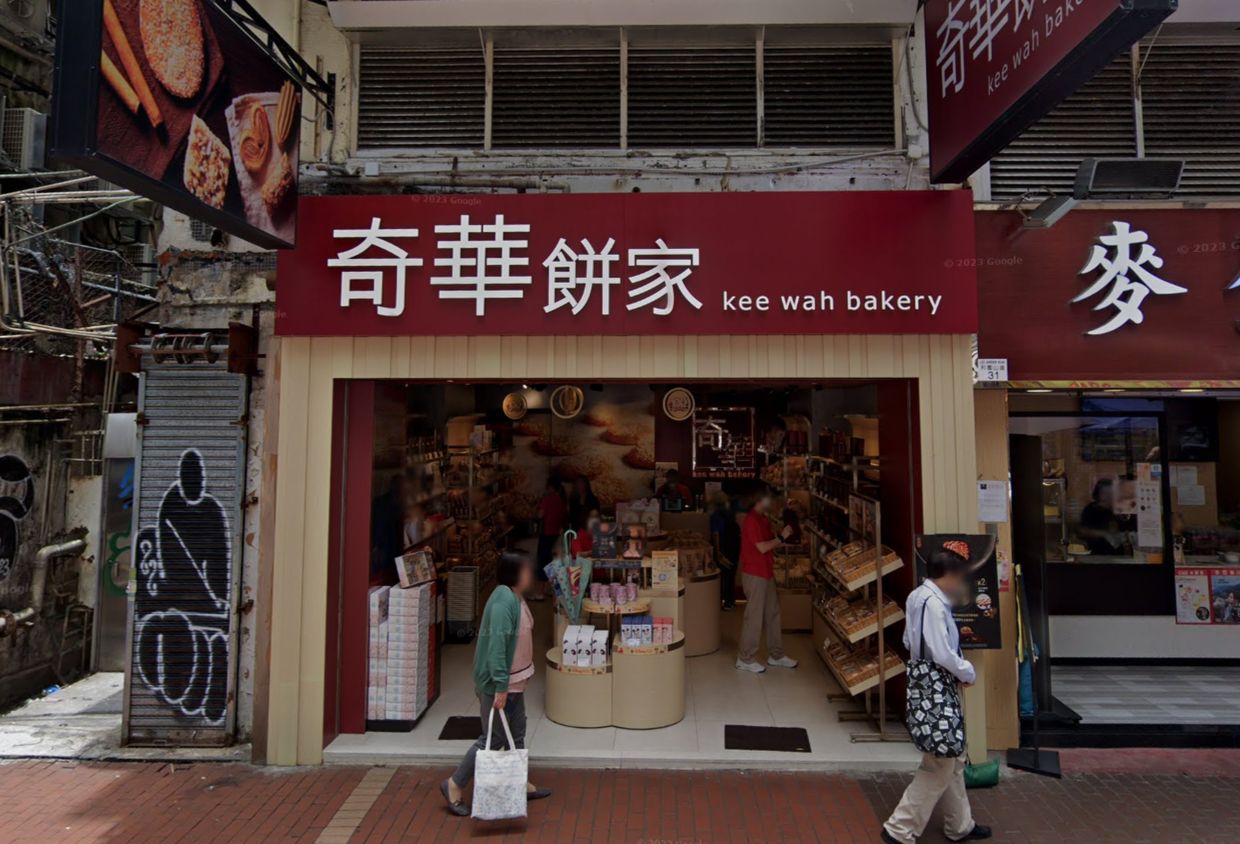
Kee Wah Bakery, the storied Hong Kong pastry chain famous throughout Asia for its traditional local and Chinese confectionery, disclosed Tuesday that it fell victim to a ransomware attack that compromised its internal computer systems. The intrusion was first detected on Friday when the bakery's network malfunctioned, but the full scope of the breach remained unclear days after the initial discovery. The incident has prompted Hong Kong's Privacy Commissioner to launch an immediate inquiry into the potential exposure of sensitive personal information.
The bakery's preliminary investigation revealed that malicious actors had targeted systems containing multiple categories of sensitive data. Employee personal information, business partner details, customer records from the company's online store, and information belonging to mobile app members were all potentially at risk. However, Kee Wah Bakery stated it could not yet confirm whether attackers had actually extracted any data or, if so, what information might have been compromised. The uncertainty surrounding the breach's true dimensions underscores the challenges organisations face in rapidly assessing the impact of sophisticated cyberattacks.
One significant finding that may provide some reassurance to customers involves payment security. The bakery confirmed that no customer payment information or credit card data was stored on the systems that were targeted, meaning the financial side of transactions appears to have been isolated from the breach. This separation of payment systems from general business networks represents a common security practice, though it provides limited comfort given the breadth of other personal information potentially at stake.
In response to the attack, Kee Wah Bakery has enlisted specialised cybersecurity experts to conduct a comprehensive forensic investigation, prevent further intrusions, and restore systems to full operational capacity. The company began notifying affected stakeholders on a precautionary basis, reaching out to employees, impacted customers, and suppliers to inform them of the incident. The communications advised recipients to remain watchful for suspicious activity and to implement protective measures, including changing passwords on important accounts and treating unexpected contact attempts with caution.
The bakery reported the incident to Hong Kong's Office of the Privacy Commissioner for Personal Data and to local police on Sunday, three days after the initial network malfunction was detected. This reporting timeline reflects the company's compliance with legal notification requirements, though the delayed public disclosure raised questions about how long organisations should take before going public with security incidents. The Office of the Privacy Commissioner responded by requesting specific details about the breach, including the precise number of individuals affected and the categories of personal data that may have been compromised.
The ransomware attack highlights the growing vulnerability of Hong Kong's retail and hospitality sectors to organised cybercrime. Ransomware operations have become increasingly sophisticated, with attackers combining network infiltration, data theft, and extortion demands. By threatening to publish stolen information publicly or sell it to other criminal groups, threat actors apply additional pressure on victims to pay ransom demands. For consumer-facing businesses like Kee Wah Bakery, such breaches carry reputational risks alongside the immediate financial and operational consequences.
Kee Wah Bakery's statement promised a comprehensive review of its cybersecurity infrastructure and implementation of expert-recommended enhancements. The company stressed that protecting personal data remains a top priority, language that carries particular weight given Hong Kong's strict privacy regulations and public sensitivity around data breaches. However, such commitments are made by most organisations following security incidents, and their credibility depends on concrete action rather than rhetorical promises.
Founded in 1938, Kee Wah Bakery operates its main manufacturing facility in Tai Po and has built a reputation extending well beyond Hong Kong into regional markets. The company's heritage and brand equity make this breach particularly significant from a business perspective. Customer trust, carefully cultivated over decades, can erode quickly following data security failures, especially when the initial response appears slow or communication proves inadequate.
The incident carries implications for the broader Southeast Asian region, where many businesses operate with similar cybersecurity maturity levels. Malaysian retailers, hospitality chains, and logistics companies often maintain comparable systems architecture and similar vulnerability profiles. The Kee Wah Bakery breach serves as a sobering reminder that even well-established, reputable organisations remain susceptible to organised cybercriminal activity. For Malaysian business leaders, the case underscores the need for proactive investment in network security, regular penetration testing, and clear incident response protocols rather than reactive crisis management after attacks occur.

