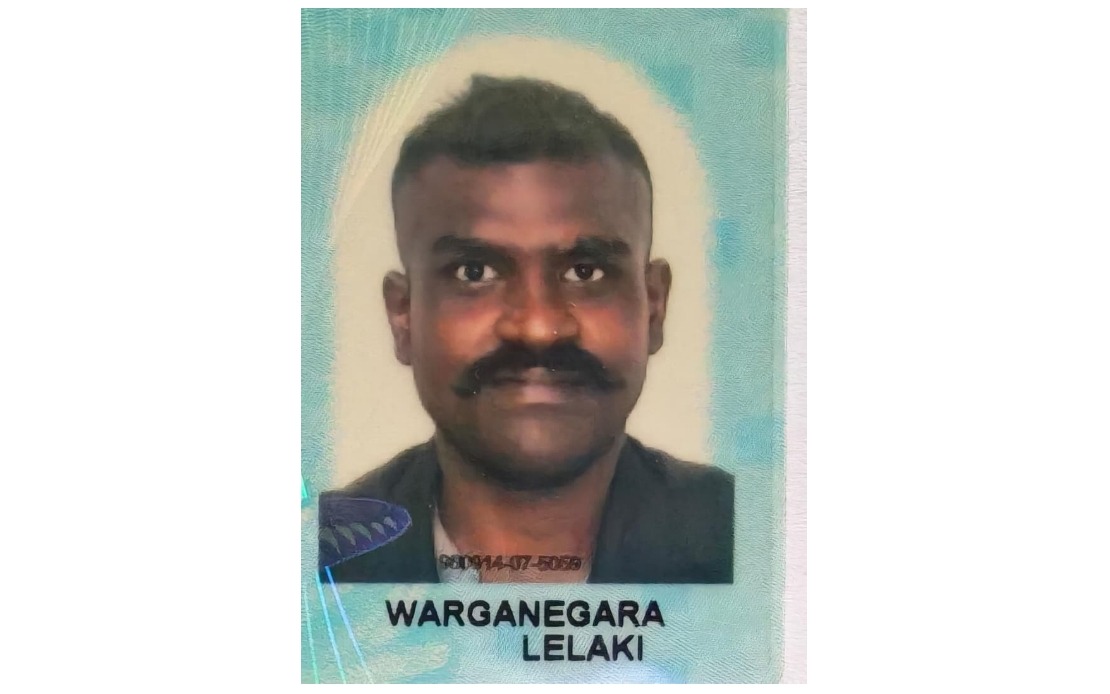
Sungai Bakap Hospital in Nibong Tebal, Penang, has launched a public appeal to identify the family of a 29-year-old man who passed away following an extended hospital admission that began in late May. The case highlights ongoing challenges in Malaysia's healthcare and social welfare systems when handling patients with no traceable family support networks or permanent addresses.
M. Balakrishnan died on August 10 at 6.53 pm in Ward 3 of the hospital, with the official cause listed as severe sepsis complicated by multi-organ failure. His body has since been retained at the hospital's Forensic Medicine Unit while authorities attempt to locate his next of kin. The extended duration between his initial admission and death underscores the medical complexities of his condition and the hospital's efforts to provide care despite social circumstances that typically impede treatment coordination.
Balakrishnan's journey through the healthcare system began when he was transferred to Sungai Bakap Hospital from Bukit Mertajam Hospital on May 27. At that time, he was classified as homeless, and the transfer was made pending placement in a residential care facility operated by the Social Welfare Department. This administrative procedure reflects standard protocol for undomiciled patients requiring extended medical care, yet it also reveals gaps in how such cases are managed when family contact cannot be established.
Throughout his nearly three-month hospitalisation, Balakrishnan received no visits from relatives, friends, or known acquaintances. Hospital records contain no documented contact information for family members, creating a significant obstacle to arranging appropriate post-mortem disposition of his remains. The absence of social connections during such a prolonged and serious illness raises questions about vulnerability among Malaysia's homeless population and their access to both medical and social support infrastructure.
In attempting to trace his family, hospital staff initiated formal inquiries through the National Registration Department, which provided authorities with a last known address: No. 19, Jalan Sungai Buloh, Taman Segar, Kampung Baru Subang, in Selangor. However, when police visited the premises to investigate further, they discovered that a Malay family currently occupied the residence and had no knowledge of Balakrishnan or any family members bearing his name. This discovery suggests that either Balakrishnan had not maintained ties to his registered address for an extended period, or that his personal circumstances had deteriorated significantly before hospitalisation.
The case reflects broader systemic challenges within Malaysia's approach to managing vulnerable populations with complex social and health needs. Homeless individuals often fall through administrative gaps, lacking both the stable residential addresses required for bureaucratic documentation and the family networks that typically facilitate healthcare navigation. When such individuals develop serious medical conditions requiring prolonged hospitalisation, hospitals face practical and ethical dilemmas about treatment continuation, resource allocation, and eventual care disposition.
Sungai Bakap Hospital's public appeal represents a final institutional effort to restore dignity to Balakrishnan by ensuring his remains are handled according to family wishes and cultural practices, should family members be identified. The hospital's statement invites members of the public who possess any information about Balakrishnan's family or next of kin to come forward. Such community assistance has proven valuable in previous cases involving unidentified or unreachable patients, though the passage of time since his death may limit the effectiveness of public appeals.
For Malaysian readers, this case underscores the need for enhanced social welfare coordination with healthcare providers, particularly regarding homeless individuals with complex medical needs. The Social Welfare Department's involvement in attempting to place Balakrishnan demonstrates government awareness of the issue, yet the gaps evident in this case suggest that current mechanisms require strengthening. Better data-sharing protocols between hospitals, welfare agencies, and national registration authorities could help prevent similar situations where patients die in institutional care with no identified family or guardian.
The circumstances also highlight vulnerabilities within Malaysia's homeless population, which comprises individuals from diverse backgrounds facing barriers to stable housing, employment, and social integration. Without family support systems or stable residential anchors, such individuals become particularly susceptible to serious health deterioration. Healthcare providers operate under resource constraints that limit their capacity to serve as de facto social workers, yet cases like Balakrishnan's demonstrate the inevitable intersection of medical and social welfare domains.
Sungai Bakap Hospital's efforts to locate Balakrishnan's family represent responsible institutional practice in managing a sensitive situation with significant human implications. The hospital has fulfilled its duty to provide medical care and is now attempting to ensure respectful treatment of his remains. For those who knew Balakrishnan or possess information about his family, the hospital's appeal offers a final opportunity to help resolve outstanding questions about his identity, his life circumstances, and his proper burial according to his community's customs.
Anyone with information concerning M. Balakrishnan's family members or next of kin is encouraged to contact Sungai Bakap Hospital directly to assist with arrangements regarding his remains. The hospital's appeal demonstrates institutional responsibility in addressing not only the medical dimensions of care but also the broader social and human factors that influence patient outcomes and post-mortem dignity.

