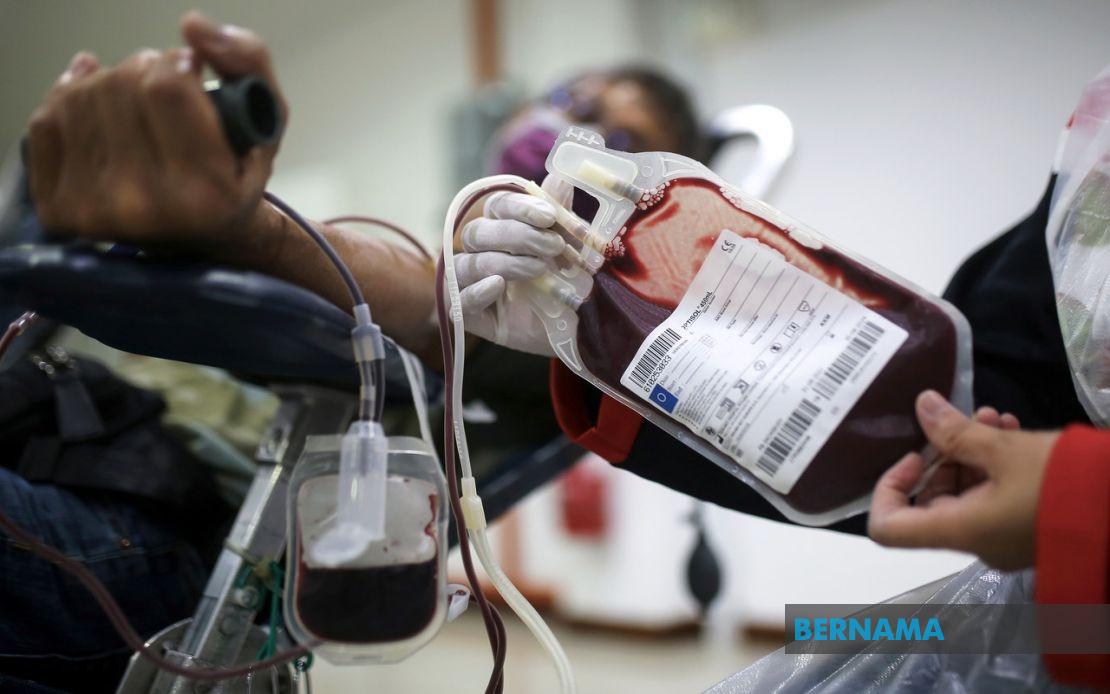
Hospital Sultanah Aminah (HSA) in Johor Bahru has issued an urgent call for type O and AB blood donors, warning that current supplies of both blood groups have dropped to concerning levels. The hospital's Transfusion Medicine Department made the appeal public through social media on August 13, highlighting the immediate need to replenish its blood bank ahead of what are typically high-demand periods in the healthcare calendar.
The scarcity of type O and AB blood is particularly significant for Malaysian hospitals, as type O negative is the universal donor type most critical for emergency situations, while AB is the rarest blood group nationally. When supplies of these essential types dwindle, hospitals face operational constraints that can impact their capacity to respond to trauma cases, surgical procedures, and patients requiring transfusions. HSA's public appeal underscores how blood shortages remain an ongoing challenge across Malaysia's healthcare system, despite efforts to boost donor participation through organised campaigns.
To address the shortfall, HSA has coordinated multiple donation drives across Johor Bahru and surrounding areas. The Johor Blood Donation Centre at Mid Valley Southkey is running a weekend collection campaign from August 13 through August 15, operating extended hours from 10 am to 6.30 pm daily. This shopping mall location is strategically positioned to capture walk-in donors from the wider community. Simultaneously, AEON Mall Bukit Indah is hosting donation sessions across the same three-day period, though with shortened operating hours from 10 am to 3 pm, making it accessible during shopping hours for consumers already at the mall.
The hospital has also established a dedicated collection point at the HSA Blood Donation Centre itself, which will remain open on August 13 and 14 from 8 am to 4.30 pm. This in-house facility allows the hospital to directly manage donation intake and screening, ensuring rapid processing and immediate addition of collected blood to its inventory. By distributing collection points across multiple venues—shopping malls, dedicated blood banks, and the hospital proper—HSA is attempting to remove logistical barriers that might discourage potential donors.
For residents seeking convenient donation opportunities, the hospital has directed the public to consult the Johor Bahru Blood Donation Campaign Schedule page on social media, which lists all active collection locations and their operating hours. This information strategy reflects how Malaysian hospitals increasingly leverage digital platforms to disseminate urgent health appeals and coordinate public participation in blood donation initiatives. The use of Facebook as the primary communication channel demonstrates awareness that a significant portion of Johor's population regularly accesses health information through social media.
Blood shortages are not unique to HSA or even to Johor—they reflect a systemic issue across Southeast Asia where voluntary donation rates often fluctuate seasonally. During school holidays, peak working seasons, and festive periods, both donor availability and blood demand can shift dramatically. Type O and AB shortages are particularly vexing because they cannot be easily substituted; while type O negative serves as a universal backup in emergencies, AB plasma is essential for certain patient populations, and no alternative exists for AB red cells.
The appeal also reflects broader public health communication practices in Malaysia, where hospitals increasingly engage directly with communities when facing critical supply pressures. Rather than waiting for blood shortages to cascade into patient care emergencies, HSA has chosen proactive transparency. This approach builds public trust and encourages voluntary participation in blood donation—a cornerstone of Malaysia's blood supply infrastructure, which relies almost exclusively on altruistic donors rather than paid donation systems.
For Malaysian readers familiar with the healthcare system, HSA's situation also highlights the importance of individual responsibility in maintaining national blood security. As a major government hospital in Johor, HSA serves a large population across the state, meaning its blood supply challenges directly affect thousands of potential patients. The hospital's call to action is therefore not merely administrative; it reflects genuine clinical urgency.
The timing of this appeal in mid-August suggests HSA anticipated increased demand heading into the latter half of the year, when accident rates and surgical caseloads typically rise. Proactive appeals in August allow blood banks to build reserves before demand peaks in subsequent months. This forward-planning approach is standard practice in hospital transfusion medicine, where predictive inventory management is crucial.
Potential donors considering participation should note that blood donation is a straightforward process—most sessions take approximately 15-20 minutes, with collection itself lasting only a few minutes. Donors must meet basic health criteria including minimum age and weight requirements, and should avoid donation if suffering from acute illness or taking certain medications. Those interested can attend any of the scheduled sessions listed by HSA, where medical staff will conduct pre-donation screening.
For Malaysians in Johor Bahru and surrounding areas, the hospital's appeal represents a concrete opportunity to contribute to community health resilience. Regular voluntary blood donation remains the backbone of Malaysia's transfusion system, and each donation collected strengthens the entire healthcare ecosystem. HSA's drive is scheduled to conclude on August 15, making the weekend window the critical period for the hospital to meet its supply objectives.

