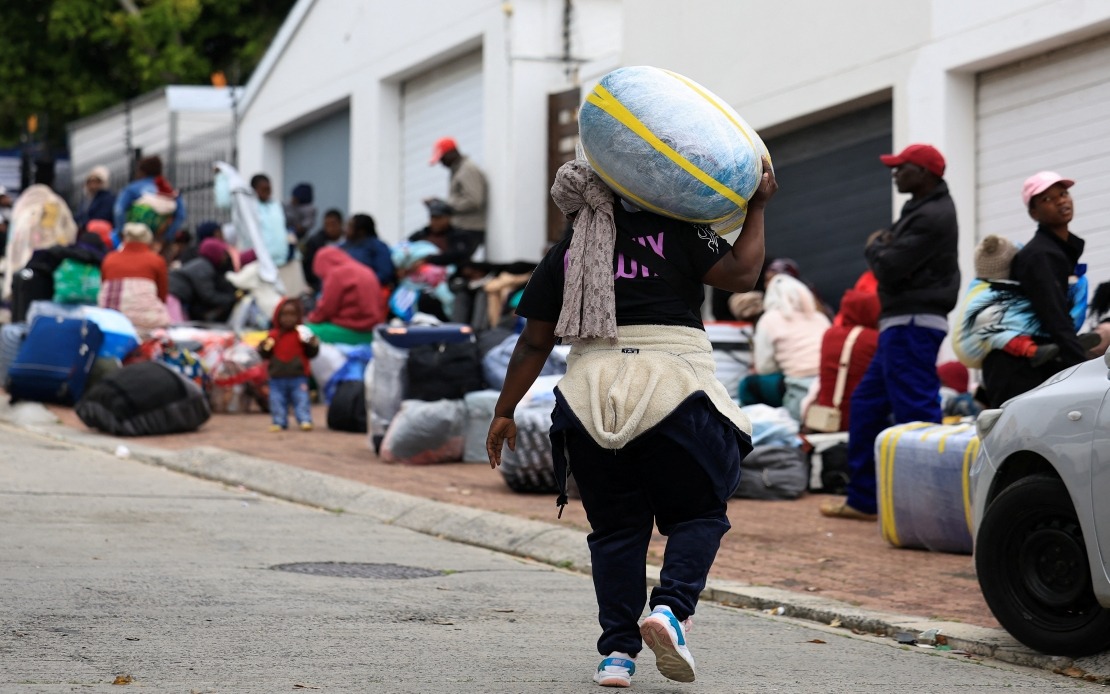
South African authorities initiated a major relocation effort on Saturday, transferring hundreds of Zimbabwean nationals and some Malawian citizens from the Epping processing centre in Cape Town to Musina, a Department of Home Affairs facility in Limpopo Province. The operation represents an attempt to manage a humanitarian crisis that has unfolded against a backdrop of rising anti-immigrant sentiment in South Africa's economic hub.
The Epping centre, which had been hastily established to accommodate a sudden influx of foreign nationals, now serves as a transit point for people awaiting formal processing and eventual repatriation. Authorities have signalled that the Cape Town facility will soon close entirely, directing remaining applicants to proceed directly to Musina rather than gathering at the Western Cape location. Bus convoys carrying passengers and their belongings departed Saturday afternoon, with thousands of additional migrants already concentrated at the Limpopo destination awaiting their turn for processing and return to their home countries.
The exodus from Cape Town's processing centre follows an extraordinary two-week period in which approximately 3,000 foreign nationals camped outside the Zimbabwean consulate in the city. These individuals had fled to the consulate grounds seeking protection from violence associated with anti-immigrant demonstrations, which gained particular intensity around June 30—a date set by anti-immigrant activist groups as a deadline for undocumented foreigners to leave South Africa voluntarily. The informal ultimatum created an atmosphere of fear that drove many migrants to abandon their residence locations and seek official assistance for departure.
Conditions at the Epping site have been difficult throughout the processing period. Humanitarian organisations operating at the centre have distributed food, shelter, and sanitation facilities to the gathered population, but health issues have emerged despite these efforts. Aid workers reported that some residents developed gastrointestinal illnesses and flu-like symptoms, underscoring the challenges of managing large numbers of people in temporary accommodation. The cramped quarters and limited sanitary infrastructure created an environment conducive to disease transmission, a concern that may have accelerated the decision to relocate residents to the larger Musina facility.
The situation remains fluid and incomplete. On Saturday evening, approximately 400 additional people who had arrived overnight were clustered nearby after being turned away from the processing centre as staff prepared to shut down operations. These newly arriving migrants, still seeking assistance to return home, faced the prospect of either being redirected to Musina or remaining in Cape Town without immediate access to processing services. The timing of their arrival, as the Epping facility was closing, created a gap in service provision that left vulnerable people in limbo.
Personal testimonies from migrants paint a portrait of desperation and hardship. Yekuai Mokoena, a Zimbabwean national who had taken refuge at the site with her two children after spending multiple nights outside the consulate building, could only offer a terse assessment of her circumstances: "The situation is bad." Her words captured the broader experience of hundreds facing uncertainty about their status, safety, and timeline for departure. Many had invested years of effort building lives in South Africa, only to find themselves suddenly unwelcome and forced to contemplate returning to circumstances they had initially fled.
The anti-immigrant protests that precipitated this crisis reflect deeper economic anxieties within South Africa itself. High unemployment, limited social services, and competition for jobs have created fertile ground for xenophobic sentiment, particularly directed at migrants from Zimbabwe, Malawi, and other neighbouring countries. Foreign nationals, who often work in informal sectors and lack formal legal protections, become convenient targets for political and social frustration. The June 30 deadline set by activist groups represented an escalation of rhetoric that moved from complaints to explicit demands for forced removal, creating real danger for vulnerable populations.
For regional observers, particularly in Malaysia and Southeast Asia, the Cape Town situation offers a cautionary glimpse of how rapid migration pressures, combined with domestic economic stress, can overwhelm government capacity and humanitarian systems. South Africa's response—establishing processing centres and organising relocation to consolidated facilities—represents a pragmatic administrative approach, yet it comes only after migrants have been subjected to fear, displacement, and public hostility. The existence of such crises raises questions about how receiving countries should balance immigration concerns with humanitarian obligations, a challenge increasingly familiar across the developing world.
The Musina facility in Limpopo Province now faces the substantial task of processing thousands of migrants while managing health, safety, and logistical concerns. The concentration of large migrant populations in a single location could either improve efficiency in repatriation efforts or create new bottlenecks and humanitarian challenges if resources prove inadequate. The experience at Epping—where disease transmission occurred and conditions deteriorated rapidly—suggests that scaling operations brings its own complications. South African authorities will need sustained commitment and resources to prevent Musina from becoming another flashpoint in the country's ongoing migration tensions.

