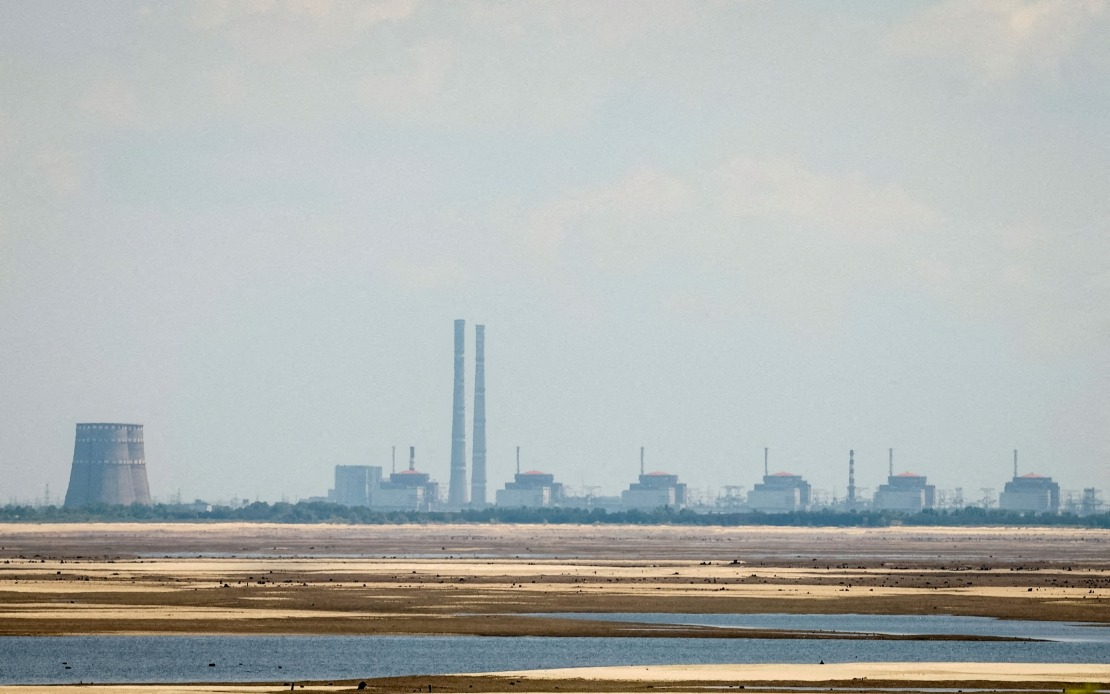
The Zaporizhzhia Nuclear Power Plant, one of Europe's most critical energy installations, suffered another catastrophic loss of external electrical supply on Friday, marking the 21st such incident since the outbreak of the Ukraine crisis. The rupture in connection to the 330 kV Ferosplavna-1 transmission line has reignited alarm among international nuclear authorities, with the International Atomic Energy Agency warning that the facility's safety infrastructure remains dangerously vulnerable to further disruptions.
According to IAEA officials present at the site, military operations in the surrounding region triggered automatic electrical protection mechanisms on the transmission lines serving the plant. These protective systems, designed to prevent equipment damage, severed the vital link between the nuclear facility and the broader electrical grid—a lifeline upon which the station depends for maintaining cooling systems and other essential safety mechanisms. The cascade of events unfolded rapidly, exposing the precarious balance upon which nuclear operations depend in an active conflict zone.
When external power vanishes, the plant's backup infrastructure must function flawlessly to prevent catastrophe. Fortunately, the facility's emergency diesel generators engaged automatically, providing the continuous electricity necessary to keep reactor cooling systems operational. This secondary power source prevented an immediate crisis, but the repeated nature of these outages underscores a systemic vulnerability that cannot be addressed through engineering alone. IAEA Director General Rafael Grossi emphasised this troubling pattern, noting that the latest incident demonstrates once again how fragile the safety environment at Zaporizhzhia has become.
The implications extend far beyond Ukraine's borders. As a facility housing multiple operational reactors, Zaporizhzhia represents a significant concentration of nuclear material in an unstable geopolitical context. For Malaysia and other Southeast Asian nations pursuing nuclear energy programmes—including discussions about reactor development in countries like Vietnam and Thailand—the Zaporizhzhia situation offers a sobering case study in the critical importance of infrastructure resilience during periods of regional tension. The plant's vulnerability highlights how conventional conflicts can jeopardise nuclear installations regardless of their technical sophistication.
Grossi's call for "maximum military restraint" reflects the IAEA's frustration with the inability to insulate a civilian nuclear facility from the mechanics of warfare. The transmission lines connecting Zaporizhzhia to the grid cannot be protected like military installations; they stretch across a landscape of active military operations. Each power loss forces the facility to depend on backup systems that, while robust, were never intended for such frequent deployment. Repeated cycling of diesel generators increases wear, depletes fuel reserves, and creates opportunities for human error—all consequences that compound with each successive outage.
The 21-fold repetition of this scenario distinguishes Zaporizhzhia from other nuclear facilities facing temporary operational challenges. This pattern indicates a structural problem rather than isolated misfortune. Military movements in the region have become so frequent and unpredictable that the electrical infrastructure supporting the plant has essentially been rendered unreliable. Each time protection systems activate, they sever connections designed to remain stable across years of normal operation. The normalisation of emergency procedures speaks to how deeply the conflict has penetrated essential civilian infrastructure.
For regional observers in Southeast Asia, where several nations have coastal nuclear facilities or depend on electricity infrastructure in areas of maritime tension, the Zaporizhzhia experience raises uncomfortable questions about resilience planning. How vulnerable are nuclear plants to indirect effects of military activity? How adequate are backup systems when emergencies transition from theoretical scenarios to recurring realities? Malaysia's strategic interest in nuclear safety extends beyond academic concern, given the region's complex geopolitical relationships and occasional maritime incidents.
The IAEA's monitoring role at Zaporizhzhia provides international nuclear authorities with real-time data on how a modern facility responds to warfare-induced stress. This information has become invaluable for other nations assessing their own nuclear infrastructure security. The agency's warnings carry particular weight because they reflect not theoretical risk assessment but observations of actual conditions on the ground. When Grossi characterises the situation as representing "extreme fragility," he speaks from a position of direct knowledge rather than speculation.
Looking forward, the fundamental challenge remains unresolved: how to maintain nuclear safety in an active conflict zone. Technical upgrades might improve backup system reliability, but they cannot address the root cause—the facility's dependence on external power networks vulnerable to military disruption. Permanent solutions would require either cessation of hostilities or a fundamental restructuring of how the plant operates, neither of which appears imminent. In the interim, the plant's safety depends on luck, the reliability of emergency systems, and the hope that no single outage coincides with other system failures.

