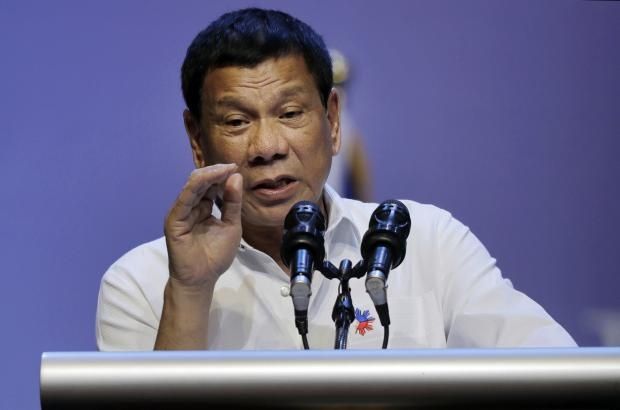
The International Criminal Court's Trial Chamber III has greenlighted the freezing of financial assets belonging to former Philippine President Rodrigo Duterte, marking a significant procedural development in his ongoing detention at The Hague. The tribunal, which took custody of Duterte following his arrest in March last year, issued its decision through two separate rulings released on Friday evening. The monetary seizure reflects the court's assessment that such funds may serve a critical purpose should the former leader be convicted of the charges levelled against him, primarily crimes against humanity involving allegations of murder.
The prosecution's ability to access Duterte's finances represents a tactical advantage in preparing its case whilst simultaneously positioning the court to execute potential penalties if conviction materialises. Trial Chamber III emphasised that preserving the value of these assets forms an essential prerequisite, given their intended application under Article 75 of the ICC Statute, which permits courts to order forfeiture and allocate resources toward compensating victims of international crimes. The judges reasoned that allowing the funds to depreciate or disappear would undermine the fundamental purpose of accountability mechanisms designed to provide redress for those harmed by alleged mass atrocities.
However, the tribunal adopted a more restrictive posture regarding the prosecution's broader requests for access to Duterte's personal effects and belongings. Prosecutors sought to obtain several unspecified items collected during his transit through Hong Kong—his final overseas destination before his apprehension at Ninoy Aquino International Airport and subsequent transfer to international custody. The court recognised that certain redacted articles might plausibly connect to the alleged crimes under investigation, yet it stopped short of granting blanket investigative authority over all confiscated materials.
Amongst the contested items were a set of keys that Duterte's legal team strenuously opposed surrendering to prosecutors. His defence counsel highlighted that these keys had been seized whilst the former president travelled alongside family members, thereby implicating privacy interests extending beyond the accused himself. This argument resonated with the Trial Chamber, which determined that providing investigators with access to personal keys would constitute an unnecessary and disproportionate intrusion into Duterte's legitimate expectations of privacy. The June 22 ruling explicitly rejected the prosecution's request on these grounds, signalling the court's commitment to maintaining procedural boundaries even within the context of serious criminal allegations.
The court did, nonetheless, authorise prosecutors to inspect certain undisclosed items from Duterte's custody, having determined that reasonable grounds existed to believe such examination would uncover evidence material to the investigation. Trial Chamber III expressed confidence that the requested materials possessed a plausible connection to the alleged offences, thereby satisfying the evidentiary threshold required for invasive searches. This measured approach permitted investigative access whilst preserving judicial oversight and preventing exploratory fishing expeditions through personal property.
The chamber criticised the prosecution's tactical approach to the matter, noting with apparent disapproval that such requests for access to the accused's belongings had been submitted relatively late in the proceedings without adequate explanation for the temporal delay. This observation suggests the judges viewed the prosecution's timing as potentially opportunistic or inadequately prepared, a critical comment that may influence how future evidence-gathering requests receive judicial reception. The criticism underscores the court's expectation that prosecutors conduct investigations methodically and present requests with proper advance justification.
These rulings illuminate the complex balancing act that international criminal courts must undertake when managing detention procedures. On one hand, securing adequate evidence and preventing asset dissipation forms a cornerstone of effective prosecution in cases involving high-ranking officials accused of widespread crimes. Such individuals frequently possess access to financial resources and international networks that enable evidence destruction or flight. On the other hand, courts must scrupulously guard against authoritarian practices that characterise the very regimes they investigate, including arbitrary searches and disproportionate invasions of privacy.
For Malaysian observers and regional commentators, the ICC's handling of Duterte's case carries particular resonance. The Philippines represents a significant Southeast Asian nation with complex political dynamics, and the international prosecution of a former head of state signals the court's willingness to exercise jurisdiction over high-level figures from developing democracies. This precedent may influence how neighbouring jurisdictions, including Malaysia, contemplate their own relationships with international accountability mechanisms. The case also demonstrates how asset-freezing procedures have evolved into standard instruments for preventing the enrichment of accused perpetrators whilst simultaneously securing compensation for victims.
The distinction the court drew between frozen assets and personal effects reflects broader jurisprudential principles regarding the scope of prosecutorial powers. Whilst financial instruments serve primarily instrumental functions—they represent value transferable for purposes of compensation—personal objects carry meaning beyond their material worth. Keys, in particular, symbolise privacy and control over intimate spaces, rendering them fundamentally different from monetary holdings. This distinction resonates across cultural contexts, including in Muslim-majority Malaysia, where protection of family and domestic privacy enjoys particular normative significance.
Duterte's case continues advancing through the ICC system despite considerable domestic and international controversy surrounding the court's jurisdiction and the propriety of prosecuting former heads of state. The former president maintains his innocence regarding the charges, and his legal team continues mounting vigorous defences. The procedural rulings released this month represent incremental developments in the gathering and preservation of evidence rather than substantive determinations of guilt or innocence. Nevertheless, each adverse ruling narrows the scope of materials and arguments available to the defence.
The freezing of assets signals that the court views conviction as a realistic possibility, justifying protective measures that restrict the accused's financial autonomy whilst in custody. This assessment carries implications beyond Duterte himself, potentially shaping how other senior officials facing international prosecution assess their exposure and legal vulnerabilities. For the Philippines' ongoing political discourse, these developments underscore the permanence of international scrutiny regarding the previous administration's war on drugs policies and the alleged extrajudicial killings that accompanied them.

