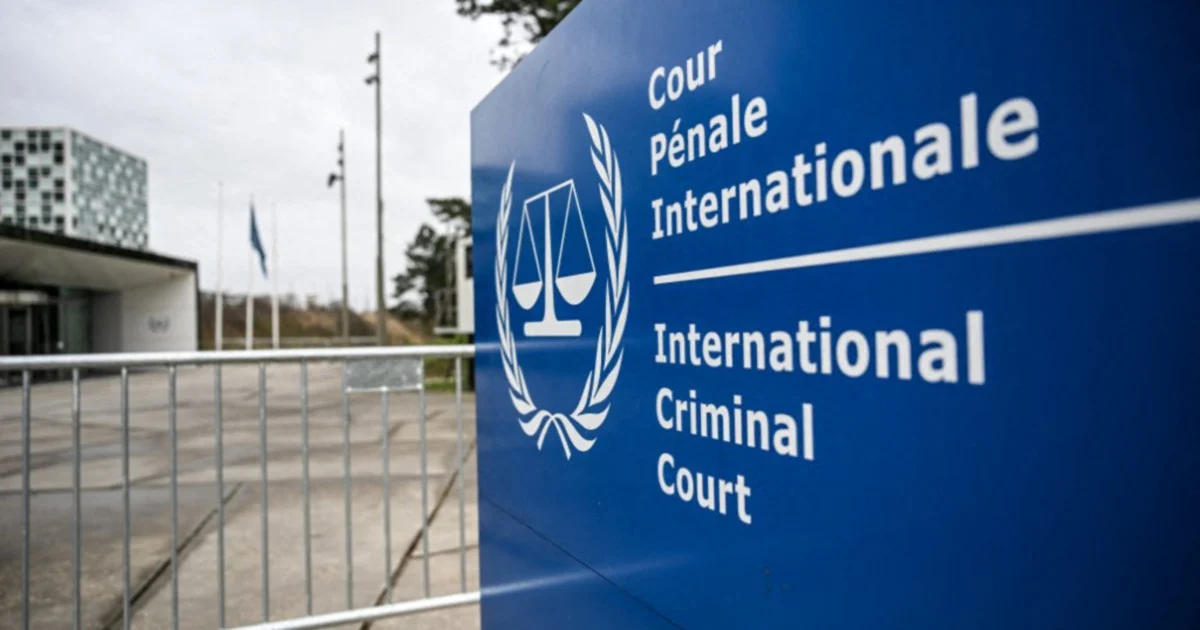
Three judges from the International Criminal Court have taken the extraordinary step of filing a lawsuit in US federal court against President Donald Trump and other officials in his administration, contesting sanctions imposed against them and arguing that such measures lack legal foundation. The legal action, brought on Wednesday, represents an escalation in tensions between Washington and the global judicial institution, adding another layer to the fraught relationship between the United States and the ICC.
The judges contend that the sanctions represent a significant overreach of executive authority and are fundamentally at odds with established principles of international law. Their assertion that the measures are unlawful strikes at a broader question about the scope and legitimacy of unilateral economic punishment by the world's largest economy against international officials. This dispute touches on deep issues about sovereignty, the role of international institutions, and the limits of national power when applied across borders.
The context for this clash runs deeper than a simple disagreement over policy. The Trump administration has historically been hostile to the ICC, viewing it with suspicion regarding American interests and those of its allies. The sanctions against the judges appeared connected to the court's investigations and prosecutorial activities, raising questions about whether such actions constitute illegal retaliation against judicial officials performing their official duties. For nations like Malaysia that support multilateral institutions, the confrontation highlights ongoing tensions between nationalist approaches to international relations and commitment to global governance structures.
Sanctions regimes have become a primary tool of US foreign policy, wielding economic power to enforce compliance with American preferences across a range of issues. However, applying such measures against judges performing adjudicative functions within an international institution presents novel legal and ethical questions. The judges' lawsuit seeks to establish whether there are meaningful limits to how far Washington can extend its economic coercion, particularly when targeting individuals in roles that demand independence and impartiality.
The filing also carries implications for the broader principle of judicial independence. International courts depend fundamentally on the ability of their officers to act without fear of retaliation or intimidation from powerful states. If sanctions can be deployed readily against judges disfavored by major powers, the independence and legitimacy of international judicial institutions could be severely compromised. This concern extends beyond the ICC itself, potentially affecting other international courts and tribunals that rely similarly on state cooperation and respect for judicial autonomy.
For Southeast Asian countries navigating complex relationships with both the United States and international institutions, this dispute presents a strategic quandary. The region has invested in multilateral mechanisms for dispute resolution and regional stability, from ASEAN protocols to the UNCLOS framework. When the world's leading military and economic power openly challenges international judicial bodies, it sends troubling signals about the durability of rules-based international order that smaller nations depend upon for protection and fair treatment.
The lawsuit identifies specific officials beyond the President, indicating the judges are pursuing accountability across multiple levels of government for what they characterize as coordinated action. This suggests an attempt to establish not merely that sanctions were imposed, but that a systematic campaign was conducted with intent. The claim of unlawfulness presumably rests on arguments that executive authority does not extend to punishing foreign judges for their official judicial acts, and that doing so violates customary international law regarding immunity and the status of international officials.
What happens in the courtroom could reshape how powerful nations can interact with international courts going forward. If the judges succeed in convincing a US court that such sanctions are unlawful, it would establish a significant precedent limiting executive power in foreign relations. Conversely, if the court rules against them, it could embolden other nations to employ similar economic pressure against disfavored international institutions. Either outcome carries far-reaching consequences for the system of international law and dispute resolution that underpins contemporary geopolitics.
The timing of this lawsuit matters as well, arriving at a moment when faith in international institutions faces mounting pressure from various quarters. Rising powers question the Western-dominated governance structures, while some developed nations increasingly view multilateral bodies with skepticism. A dramatic clash between the US government and ICC judges playing out in American courts will likely intensify debates about whether such institutions can function effectively in a fragmenting world order.
For Malaysia and other Southeast Asian nations, the outcome of this case warrants close attention. The region's prosperity depends significantly on stable international rules, predictable judicial mechanisms for resolving disputes, and the restraint of powerful states from using their economic leverage to dominate weaker countries. How the United States resolves its conflict with the ICC will signal something important about the international architecture these nations rely upon. Whether the global system can accommodate fundamental disagreements without powerful states resorting to economic punishment against judicial institutions remains an open question with profound implications.

