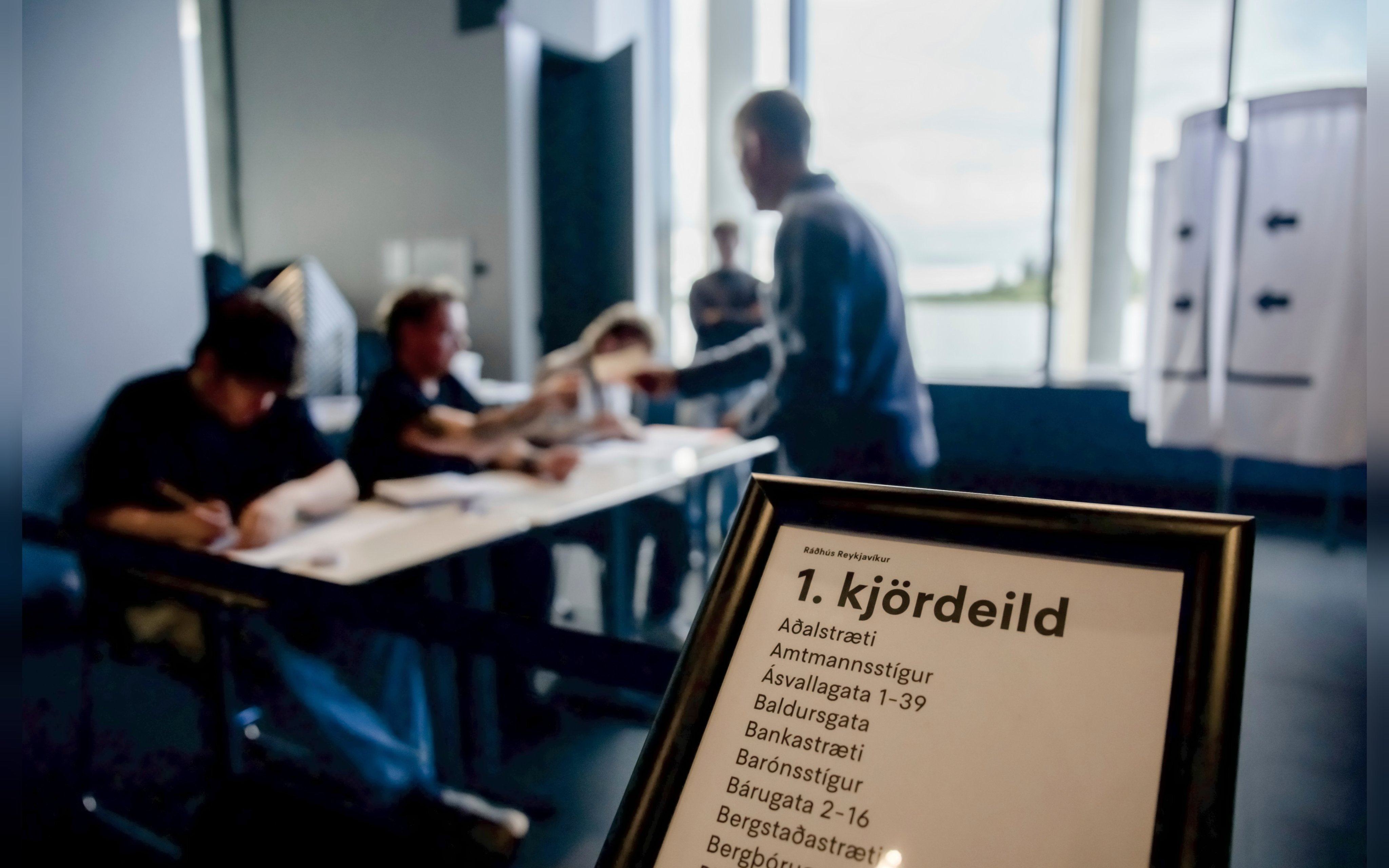
The Icelandic electorate has narrowly decided against reopening membership negotiations with the European Union, delivering a setback to the country's pro-EU Social Democratic government. Official results released on Sunday showed that 52.8 per cent of voters opposed restarting accession talks, while 47.2 per cent supported the initiative. The razor-thin margin reveals a deeply polarised nation grappling with fundamental questions about its future political and economic orientation.
The referendum took place after ballots closed at 2200 GMT on Saturday, concluding a contentious campaign that brought the EU question to the forefront of Icelandic politics once again. The Social Democratic-led administration had pledged to hold this plebiscite after winning the 2024 election, making EU accession a central campaign promise. By putting the matter directly to voters, the government sought to gauge whether public sentiment had shifted sufficiently to warrant pursuing formal membership negotiations in an increasingly unstable geopolitical environment.
Iceland first submitted its EU application in 2009, when the country was recovering from the devastating impact of the global financial crisis. The island nation's banking sector had collapsed spectacularly, leaving the economy in ruins and prompting policymakers to consider closer integration with European institutions as a stabilising force. However, momentum stalled dramatically when a eurosceptic government assumed office in 2013 and promptly suspended the accession process, leaving the application in limbo for over a decade.
The geopolitical context surrounding this referendum cannot be overlooked. Recent international tensions have reignited strategic interest in the Arctic region and Iceland's geographic position as a crucial NATO member controlling the gap between the Atlantic and Arctic waters. These security concerns appear to have motivated the Social Democrats to resurrect the membership question, framing EU participation as a way to deepen Iceland's integration with European institutions during an uncertain era.
Opposition to EU membership has proven remarkably durable within Icelandic society, rooted in longstanding concerns about national sovereignty and economic autonomy. The fishing industry stands at the centre of this debate, functioning as the lifeblood of the Icelandic economy and a source of deep national pride. Many voters fear that membership would require surrendering control over territorial waters to Brussels, potentially subjecting fisheries management to decisions made by distant bureaucrats unfamiliar with Iceland's unique marine ecosystem and economic needs.
The fishing question resonates far beyond simple economic calculations. For Iceland, marine resources represent not merely commercial interests but a cornerstone of national identity forged through centuries of maritime tradition. The prospect of pooling fishing rights within a common European framework has struck many Icelanders as an unacceptable dilution of sovereignty, particularly given that the EU's Common Fisheries Policy has frequently faced criticism even within member states for mismanagement and environmental damage.
The close referendum result underscores generational and ideological fractures within Icelandic society. Urban younger voters and business-oriented constituencies appeared more receptive to EU integration and the economic opportunities it might bring, while rural communities and those dependent on fishing expressed stronger reservations. This pattern mirrors divisions seen across Nordic countries, where European integration has always provoked complex debates about balancing prosperity against cultural distinctiveness and self-determination.
The marginal rejection carries important implications for Iceland's future policy direction. With nearly half the electorate supporting accession talks, the government cannot claim a strong popular mandate for abandoning EU ambitions entirely. The Social Democrats face the challenge of either accepting this verdict as definitive or pursuing alternative pathways toward closer European cooperation that might prove more palatable to sceptical voters.
From a Southeast Asian perspective, Iceland's predicament illustrates universal tensions that emerge whenever smaller nations contemplate joining large supranational blocs. The trade-offs between economic integration and political autonomy, between access to larger markets and preservation of domestic control over strategic resources, and between security benefits and sovereignty concerns are not unique to the Nordic context. Malaysia and other ASEAN members have similarly navigated questions about regional integration and the appropriate level of national flexibility within multilateral frameworks.
The referendum outcome also demonstrates that pro-membership campaigns cannot succeed purely through elite consensus or strategic rationales. Grassroots concerns about sovereignty and economic autonomy carry weight with electorates, particularly when linked to emotionally resonant issues like national food security or control over natural resources. The close result suggests that future EU outreach efforts will need to address these fundamental anxieties rather than simply emphasising geopolitical logic or commercial advantages.

